Best pedalboard patch cables
The cheapest thing on your board and the thing most likely to end a gig. Worth thirty seconds of thought.
Fret & Fuzz earns a commission when you buy through the links on this page. It costs you nothing and it does not decide what we rank. How we’re funded.
We have not played this gear. Every pick below is chosen from published manufacturer specifications and the arithmetic set out in how we research, which you can re-run yourself.
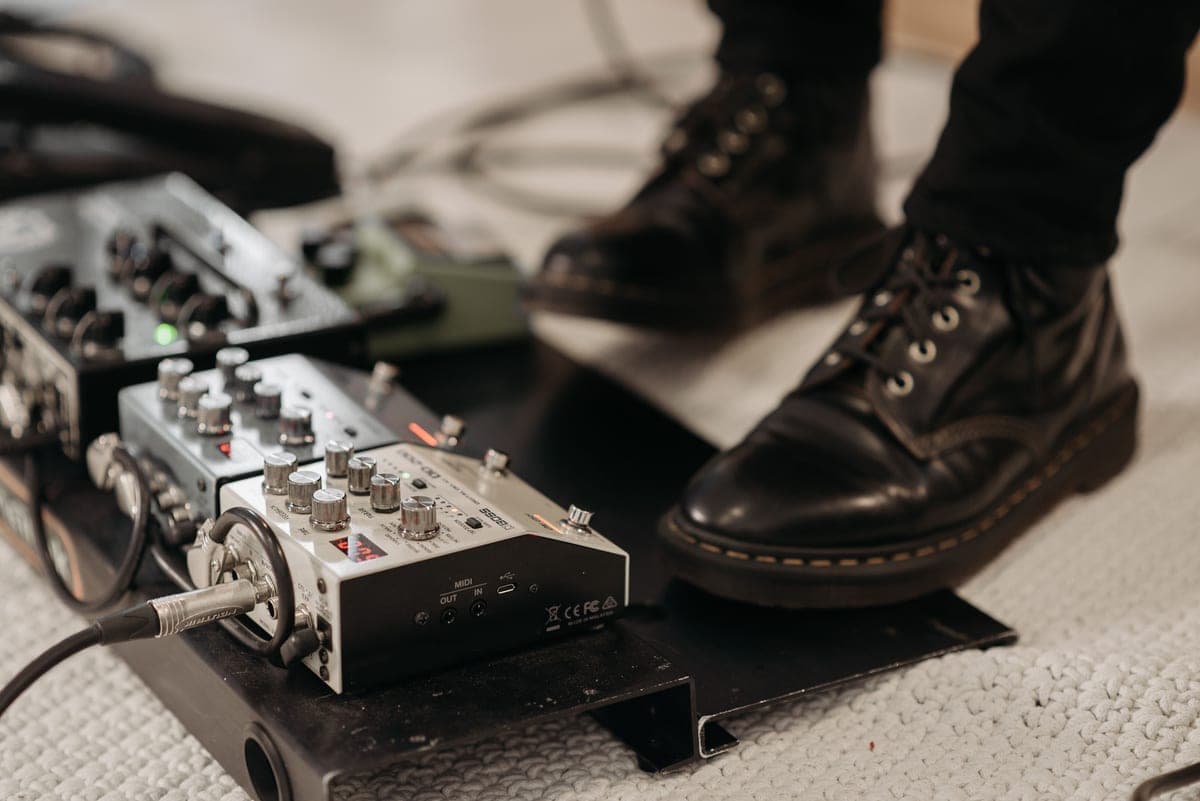
Buy molded flat right-angle patch cables in fixed lengths. Molded plugs have nothing to work loose; solderless plugs depend on a set screw pressing a conductor against a contact, and vibration loosens set screws. Solderless kits are genuinely useful for awkward layouts, and they are also the most common cause of an intermittent fault on stage.
This is the cheapest category on the whole site and the one where a failure costs the most, because an intermittent cable fault is far harder to diagnose mid-gig than a dead pedal.
Best patch cables
| # | Product | Best for | Price |
|---|---|---|---|
| 01 | 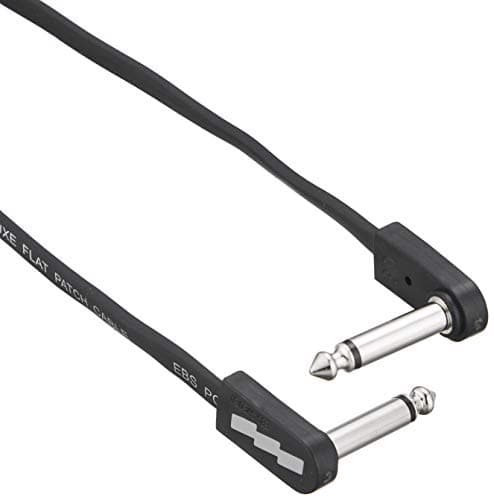 EBS Flat patch cables Molded plugs at fixed lengths — nothing to come loose, and a flat profile that saves depth between rows. | The lowest-risk option | $15.30 · Check price #ad How we’re funded · price as of October 17, 2026 |
| 02 | No photo Donner Solderless patch cable kit Cut to length for a board where nothing standard fits — and the format most likely to fail on you. | Exact lengths on an awkward layout | |
| ! | 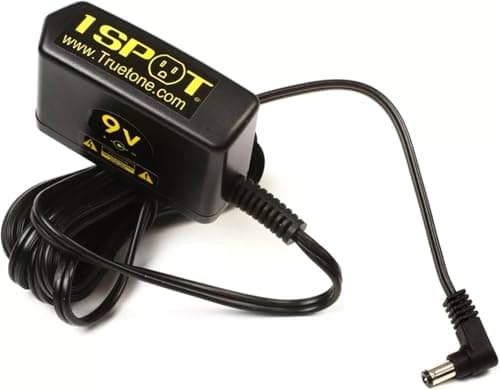 Truetone 1 SPOT Run DC cabling away from signal cabling, and cross at right angles where you cannot. Skip this one — see why below | Not a patch cable, and the other thing to keep away from them | $27.99 · Check price #ad How we’re funded · price as of October 17, 2026 |
Rows link to the full write-up further down this page. Prices come from the live price layer only — where there is no live figure the button reads “Check price” rather than showing a remembered number.
02The three formats
| Format | How it connects | Fails how | Buy when |
|---|---|---|---|
| Molded | Factory-terminated, sealed | Rarely; usually the cable itself, not the joint | Default choice for almost everybody |
| Solderless | Set screw clamps the conductor | Set screw vibrates loose — intermittent crackle | Awkward layouts where no standard length fits |
| Soldered by hand | Soldered joint inside a metal shell | Rarely, if built well | You solder well and want exact lengths |
There is no format that is both exact-length and low-risk without soldering. That is the trade.
03Length and profile
Short. A patch cable's only job is to get from one jack to the next, and every extra centimeter is capacitance, antenna area and something to snag. Measure the gap between the jacks and buy that length, not the length that will also work if you rearrange later.
Flat right-angle plugs sit closer to the pedal than molded round ones, which matters most on a two-row board. On a single-row board with plenty of space the profile is cosmetic.
EBS Flat patch cables
The lowest-risk option
A molded plug has no screws to work loose and no set screw pressing on a conductor. It either works or it does not, and it very rarely stops working.
The flat right-angle profile sits close to the pedal, which is worth real millimeters on a two-row board where the gap between rows is the binding constraint.
Fixed lengths mean you buy a set and lay the board out around them. There is also no field repair — a failed molded plug is a dead cable, not a cable to tighten.
| Format | Molded flat right-angle plugs at both ends |
|---|---|
| Lengths | Sold in fixed lengths, typically from about 10 cm upward |
| Profile | The flat plug sits close to the pedal, saving depth between rows |
| What it does not do | Fixed lengths mean you buy a set and live with the spacing. There is no field-repair option — a failed molded plug is a dead cable. |
Specs from EBS flat patch cable range. We have not used this unit.
#ad How we’re funded · price as of October 17, 2026
Donner Solderless patch cable kit
Exact lengths on an awkward layout
Bulk cable, screw-together right-angle plugs and a cutting tool. Every cable is exactly the length your layout needs, which on a dense board with pedals at odd angles is genuinely useful.
It is also the single most common source of an intermittent pedalboard fault. The connection depends on a set screw pressing a conductor against a contact, and vibration works set screws loose.
If you build these, build spares, mark which cable is which, and re-seat every plug before anything important. That is not a criticism of any particular kit — it is the nature of the format.
| Format | Bulk cable plus screw-together right-angle plugs |
|---|---|
| Included | Cable spool, plug housings and a cutting tool in the standard kit |
| Advantage | Every cable is cut to the exact length your layout needs |
| What it does not do | Solderless plugs are the single most common source of an intermittent pedalboard fault. If a cable is going to crackle on stage, it will be one of these — build spares. |
Specs from Donner guitar effects range. We have not used this unit.
Truetone 1 SPOT
Not a patch cable, and the other thing to keep away from them
This is not a patch cable and it is on the page for a reason. Power cabling running parallel and close to signal cabling induces noise into the signal, and on a dense board that is a real and avoidable source of hum.
Route DC cables down one side or underneath the board, keep them away from the patch cables, and where a crossing is unavoidable, cross at right angles rather than running alongside.
This costs nothing and it removes a noise source that people commonly misattribute to the power supply itself.
| Output | 9 V DC, 1,700 mA from a single non-isolated output |
|---|---|
| Isolation | None — this is a single supply intended for daisy-chaining |
| Mains input | 100-240 V AC, worldwide |
| Format | Single-space wall unit with a right-angle plug |
| What it does not do | No isolation at all. Every pedal on the chain shares a ground, which is exactly the condition that produces hum with a digital pedal in the mix. It is a great first supply and a bad final one. |
Specs from Truetone 1 SPOT product page. We have not used this unit.
04Diagnosing a cable fault
- Note whether the noise is a crackle when you touch the pedal or the cable — that is almost always a connection, not a pedal.
- Wiggle each plug in turn with the rig running. The one that crackles is the one.
- If nothing crackles, swap the suspect cable for a known-good one rather than trying to fix it in place.
- If the fault follows the pedal rather than the cable, it is a jack on the pedal, which is a different repair.
- Keep two known-good spare cables on the board itself. A spare in a bag at home is not a spare.
05What patch cables do not affect
Your tone, at these lengths, in any way you will hear. Capacitance matters over a 6 m guitar cable; over 15 cm between two pedals it is irrelevant. Anyone selling patch cables on tonal grounds is selling you something the physics does not support at that length.
What they do affect is reliability, and that is worth paying for. Buy well-made cables of the right length, keep spares, and route them away from the DC cabling.
Frequently asked questions
+ What length patch cables do I need?
+ Are solderless patch cables reliable?
+ Do patch cables affect tone?
+ Why does my board crackle when I step on a pedal?
Sources
Related on Fret & Fuzz
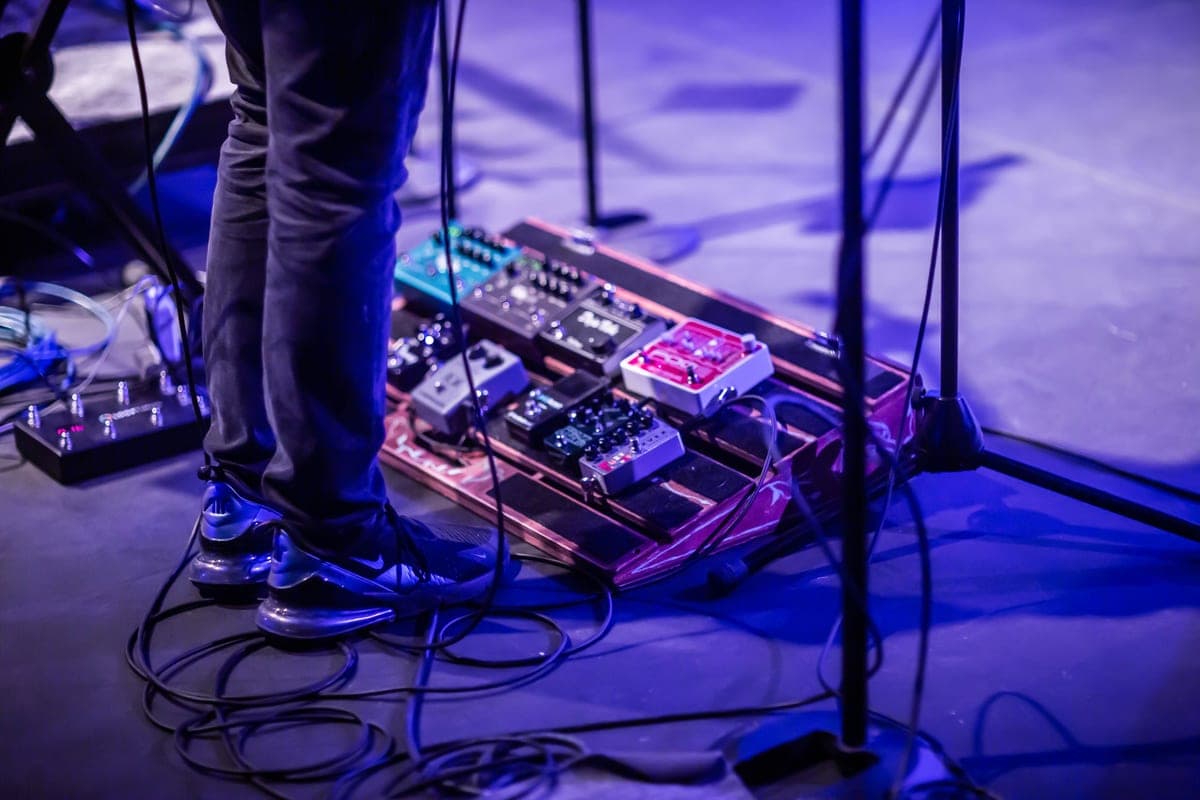
Best pedalboards
Size and under-board space are the only two decisions that matter. Three boards on their published dimensions.
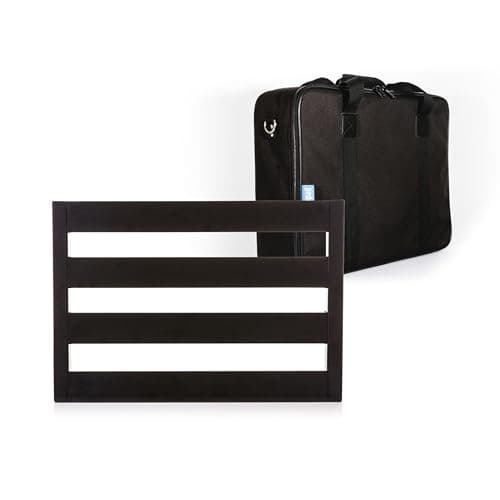
Best Pedalboard pick: Pedaltrain Classic JR pedalboard
#ad How we’re funded · price as of October 17, 2026
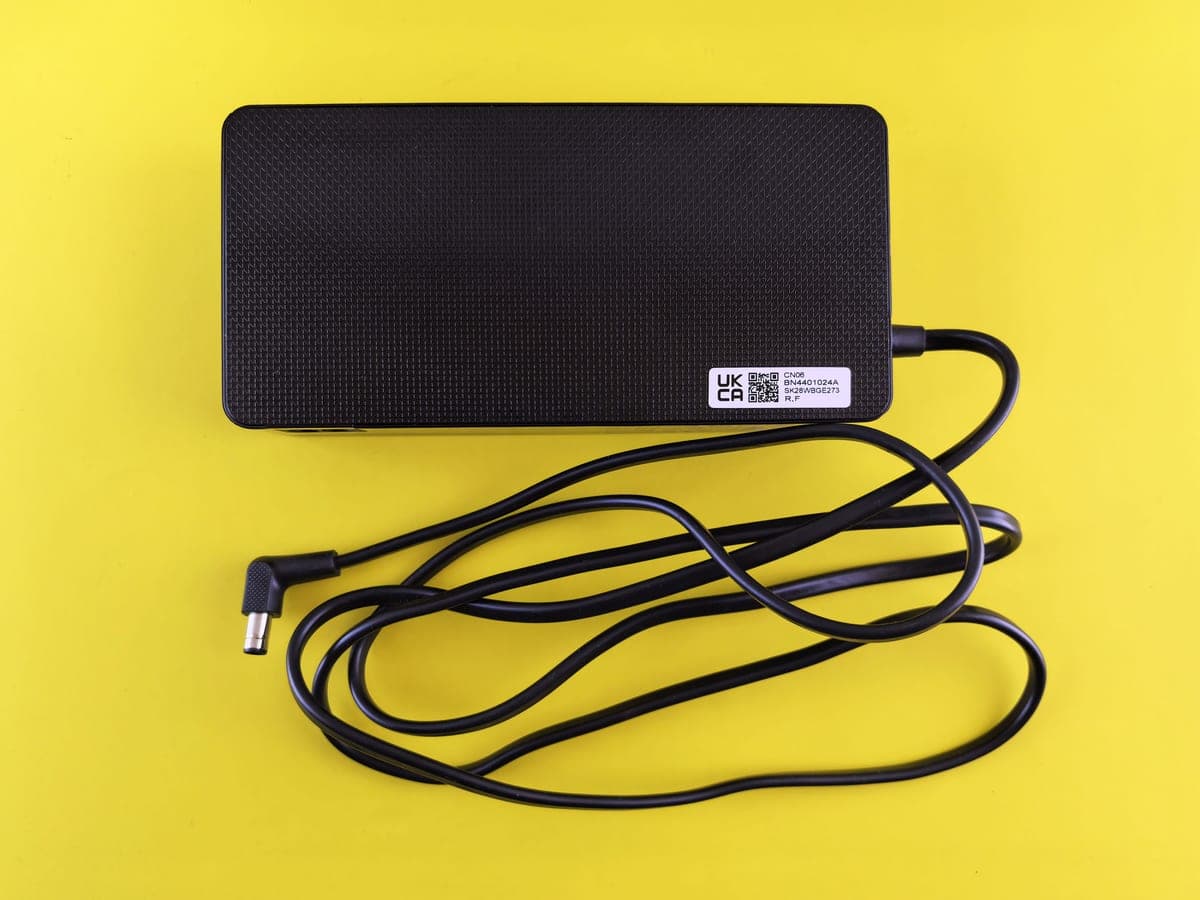
Best pedalboard power supplies
Compare on the highest single output, not total current. Five isolated supplies on their published per-output ratings.
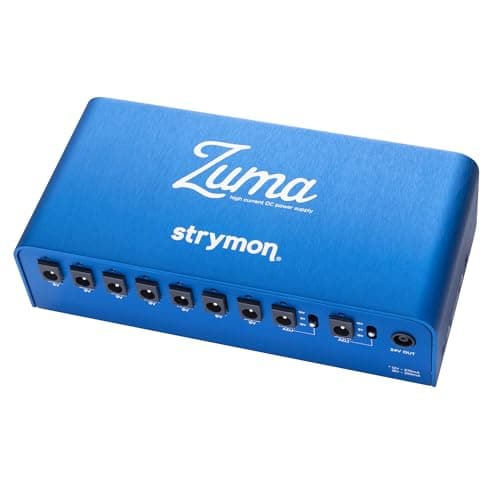
Best Power Supply pick: Strymon Zuma
#ad How we’re funded · price as of October 17, 2026
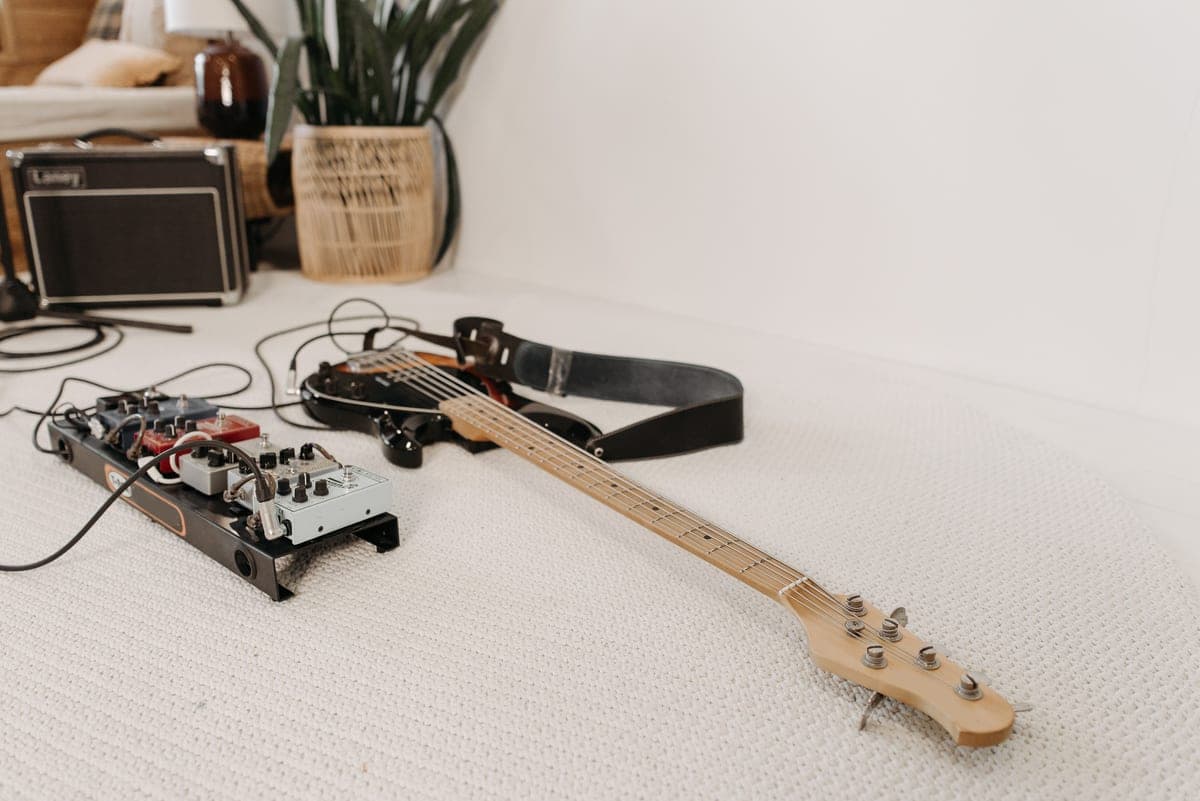
Isolated power supply vs daisy chain
Two topologies, two failure modes. The mechanism behind the hum, and the point at which a daisy chain stops being enough.
Top pick: Truetone 1 SPOT
#ad How we’re funded · price as of October 17, 2026
Best guitar pedals under $100
Budget pedals do not save money on the circuit — they save it on the switches and jacks. Here is exactly where, and what that costs you.
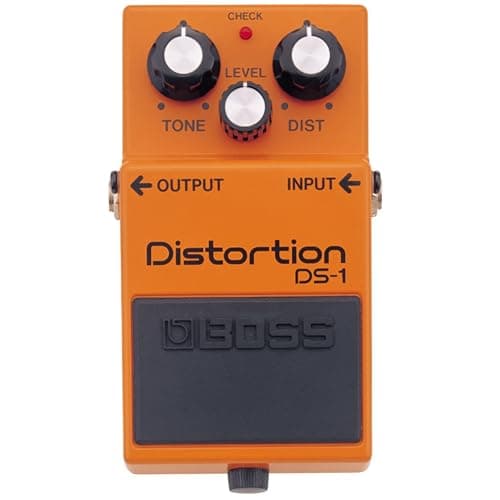
Best Under $100 pick: BOSS DS-1 Distortion