Isolated power supply vs daisy chain
The daisy chain is not a cheap compromise. It is a different topology, and it is the correct one for a large number of boards.
Fret & Fuzz earns a commission when you buy through the links on this page. It costs you nothing and it does not decide what we rank. How we’re funded.
We have not played this gear. Every pick below is chosen from published manufacturer specifications and the arithmetic set out in how we research, which you can re-run yourself.
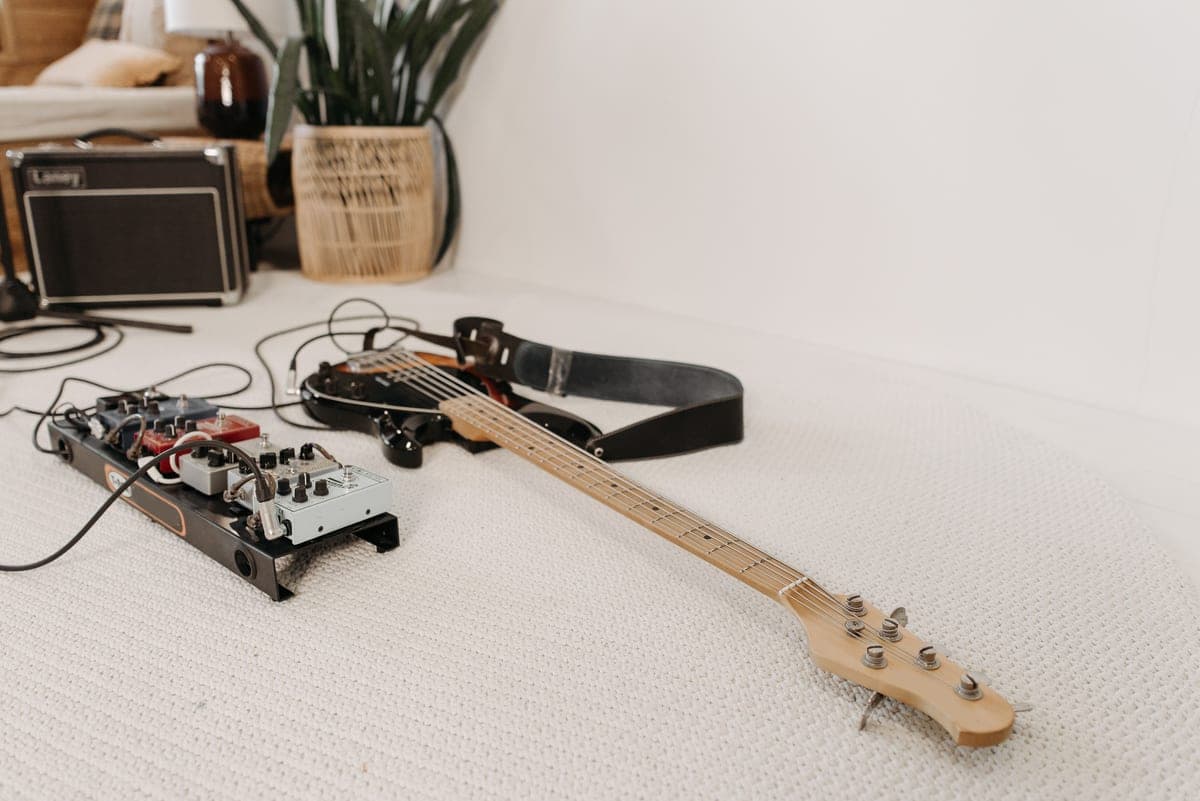
A daisy chain gives every pedal the same ground. That is fine for analog pedals, which draw steady current and inject nothing into that ground. It stops being fine the moment a digital pedal joins the board, because a digital pedal's internal switching supply puts noise onto its ground, and on a daisy chain that ground belongs to everything. Isolation gives each output its own transformer winding and removes the shared path.
The usual framing — cheap daisy chain versus proper isolated supply — is wrong and it leads people to spend money they did not need to spend, or to blame a pedal for a topology problem. These are two different designs with different failure modes.
01The ground loop, without the hand-waving
Two pedals on a board are connected twice. Once through the patch cable, whose sleeve carries a ground. Once through the power supply, if they share a ground there. Two conductive paths between the same two points form a loop.
A loop of wire in an environment full of mains-frequency magnetic fields — every stage, every room with a dimmer, every venue — has a current induced in it. That induced current appears as a voltage difference between the two pedals' grounds, and your signal is referenced to that ground. The result is 50 or 60 Hz hum, and it is louder the bigger the loop and the messier the environment.
Isolation breaks the power-side path. Each output's transformer winding has no conductive connection to the others, so the only path between two pedals is the patch cable, and there is no loop.
Which topology your board needs
| # | Product | Best for | Price |
|---|---|---|---|
| 01 | 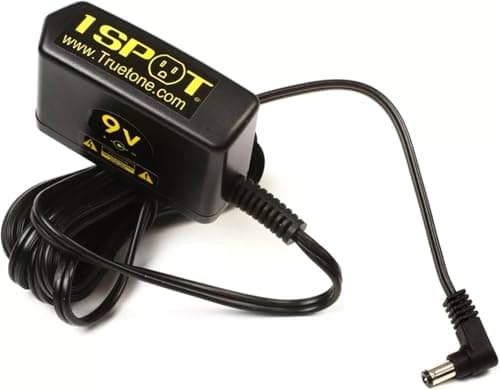 Truetone 1 SPOT 1,700 mA from one output. Correct, cheap and quiet — until a digital pedal arrives. | The all-analog board | $27.99 · Check price #ad How we’re funded · price as of October 18, 2026 |
| 02 | 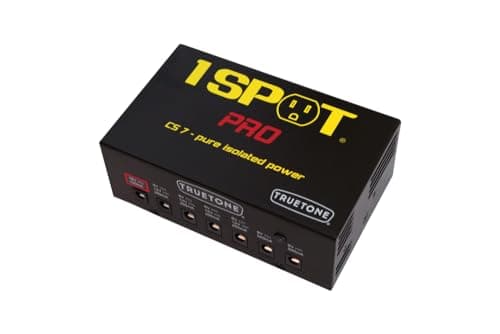 Truetone 1 SPOT Pro CS7 Seven independently isolated outputs, with the two 500 mA ones sized for digital pedals. | The mixed board, at the lower price | $169.99 · Check price #ad How we’re funded · price as of October 18, 2026 |
| 03 | 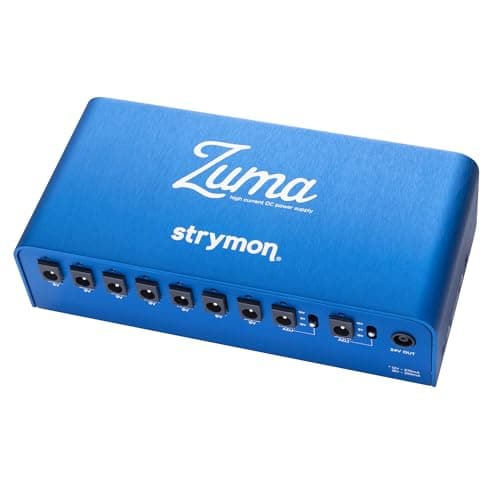 Strymon Zuma 500 mA on all nine outputs, so re-planning after every board change stops being necessary. | The board that keeps changing | $279.00 · Check price #ad How we’re funded · price as of October 18, 2026 |
Rows link to the full write-up further down this page. Prices come from the live price layer only — where there is no live figure the button reads “Check price” rather than showing a remembered number.
03Why digital pedals are the trigger
| Analog pedal | Digital pedal | |
|---|---|---|
| Typical published draw | 3-25 mA | 95-300 mA |
| Current draw over time | Steady | Varies with processing load |
| Internal switching | None | A switching regulator running at tens or hundreds of kHz |
| Noise injected into ground | Negligible | Real, and at frequencies you can hear as a whine |
| Safe on a daisy chain | Yes | Frequently not |
This is why a board that was silent for years starts humming the week a digital reverb is added.
Truetone 1 SPOT
The all-analog board
The number1,700 mA total, non-isolated, 100-240 V mains.
On an all-analog board this is not a compromise. Analog pedals draw low, steady current and do not inject switching noise into their ground, so the shared ground of a daisy chain carries nothing objectionable.
It also has more total current available than several isolated bricks, and it occupies one wall socket without blocking the next.
The moment a digital delay or reverb joins the board, the shared ground becomes a path for that pedal's switching noise into everything else.
| Output | 9 V DC, 1,700 mA from a single non-isolated output |
|---|---|
| Isolation | None — this is a single supply intended for daisy-chaining |
| Mains input | 100-240 V AC, worldwide |
| Format | Single-space wall unit with a right-angle plug |
| What it does not do | No isolation at all. Every pedal on the chain shares a ground, which is exactly the condition that produces hum with a digital pedal in the mix. It is a great first supply and a bad final one. |
Specs from Truetone 1 SPOT product page. We have not used this unit.
#ad How we’re funded · price as of October 18, 2026
Truetone 1 SPOT Pro CS7
The mixed board, at the lower price
The number1 x 100 mA, 4 x 200 mA (9/12 V), 2 x 500 mA. Worldwide mains.
Once your board has both analog dirt and a digital time effect, isolation is the fix and this is the cheapest well-documented way to get it.
The output ratings map naturally onto a mixed board: tuner on the 100 mA, drives on the 200 mA outputs, delay and reverb on the two 500 mA outputs.
No 18 V output, so check any 18 V pedal before buying.
| Outputs | 7, independently isolated and filtered |
|---|---|
| Output 1 | 9 V DC, 100 mA |
| Outputs 2-5 | 9 / 12 V DC switchable, 200 mA each |
| Outputs 6-7 | 9 V DC, 500 mA each |
| Mains input | 100-240 V AC, worldwide |
| Size / weight | 5.5 x 3.37 x 2 in (140 x 86 x 50 mm), 592 g |
| What it does not do | No 18 V output, so an MXR 10 Band EQ or anything else that needs 18 V is not covered. Output 1 is only 100 mA — that one is for a tuner or an analog dirt pedal, not a digital reverb. |
Specs from Truetone 1 SPOT Pro CS7 product page. We have not used this unit.
#ad How we’re funded · price as of October 18, 2026
Strymon Zuma
The board that keeps changing
The number9 x 500 mA, individual transformer per channel, 48 W total.
Uniform output ratings mean you never have to check whether a pedal can go on a particular output. On a board that gets rearranged, that is worth more than the extra outputs.
Nine individual transformers is genuine per-channel isolation rather than a filtered rail shared between outputs.
It still will not run a Line 6 HX Stomp at 3 A. That unit needs its own supply on any board.
| Outputs | 9, fully isolated, one custom transformer per channel |
|---|---|
| Current per output | 500 mA at 9 V DC on every output |
| Selectable outputs | 2 outputs switch to 12 V (375 mA) or 18 V (250 mA) |
| Total power | 48 W maximum |
| Mains input | 100-240 V, worldwide |
| Size / weight | 6.8 x 3.3 x 1.8 in (173 x 84 x 46 mm), 680 g |
| What it does not do | It does not include the courtesy outlets or the sag feature some rivals have, and 500 mA per output still will not run an HX Stomp, which asks for 3 A. |
Specs from Strymon Zuma product page. We have not used this unit.
#ad How we’re funded · price as of October 18, 2026
04When to switch, in order of cost
- Your board is all analog and quiet. Do nothing. A daisy chain is correct and cheaper.
- You have one digital pedal and some hum. Give the digital pedal its own separate adapter and leave the analog pedals daisy-chained. This is often a complete fix for the cost of one adapter.
- You have two or more digital pedals. Buy an isolated supply. The separate-adapter approach stops scaling and starts adding wall warts.
- You have hum with everything already isolated. It is not a power problem. Check patch cables, check whether an amp and a laptop are on different circuits, check for a lighting dimmer.
- You have a pedal needing 3 A. It gets its own supply regardless of topology. Nothing in the pedalboard-brick class provides that.
05What isolation will not fix
Hum you can hear through a sustained note, which is usually a grounding problem at the amp or in the building. Hiss, which is a gain-structure problem and needs a gate. Radio interference, which is a shielding problem. Each of those has a different fix and only one of them is a pedal purchase — the hum diagnostic runs through all five in a couple of minutes. And any noise that persists with the pedalboard entirely disconnected. One more supply variable is worth checking before you blame isolation: voltage. 9V vs 18V pedals covers which pedals want 18 V and what happens when they do not get it.
Frequently asked questions
+ Do I need an isolated power supply?
+ Can I daisy chain digital pedals?
+ Why did my board suddenly start humming?
+ Is filtered the same as isolated?
Sources
Related on Fret & Fuzz
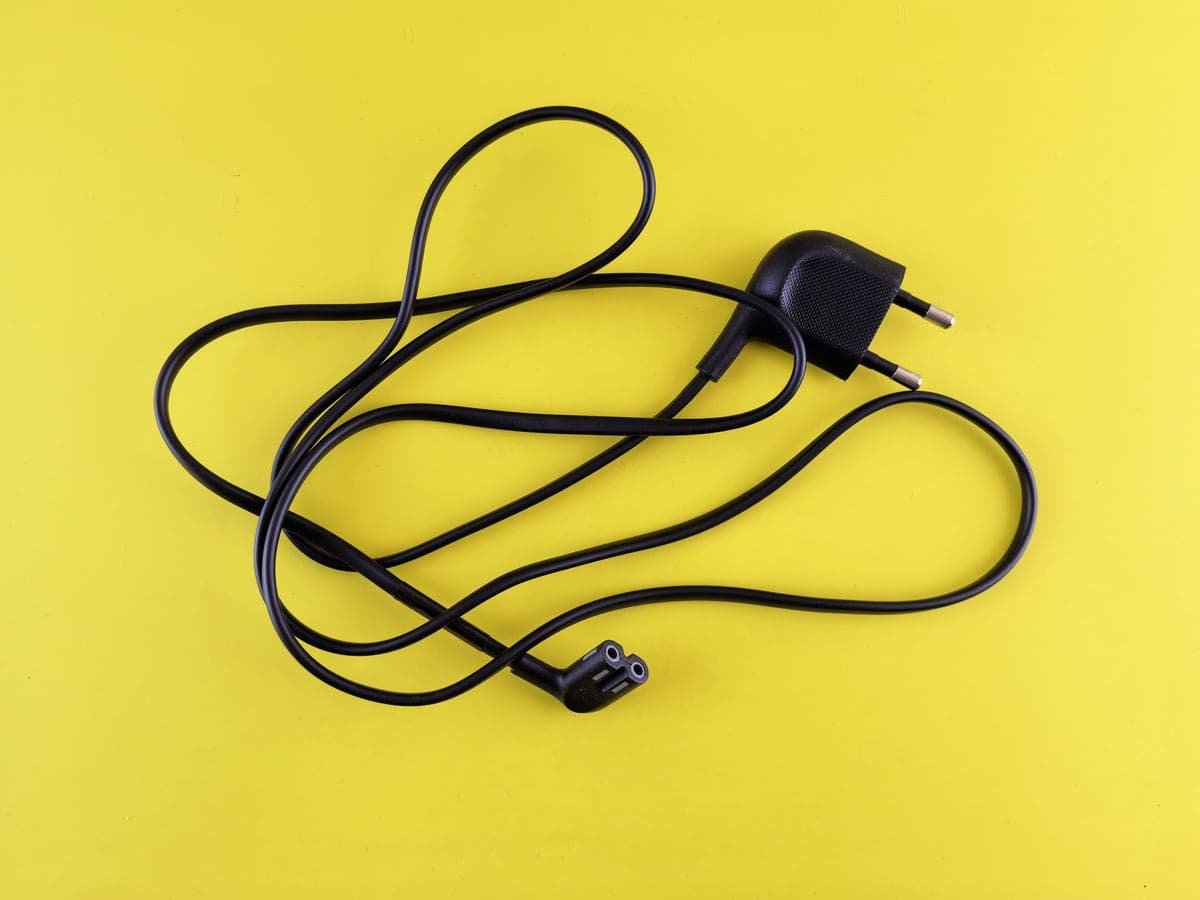
Your pedalboard hums — which fix actually works
Five faults, one word. The two-minute diagnostic, then the one purchase that fixes the fault you actually have.
Top pick: Strymon Zuma
#ad How we’re funded · price as of October 18, 2026
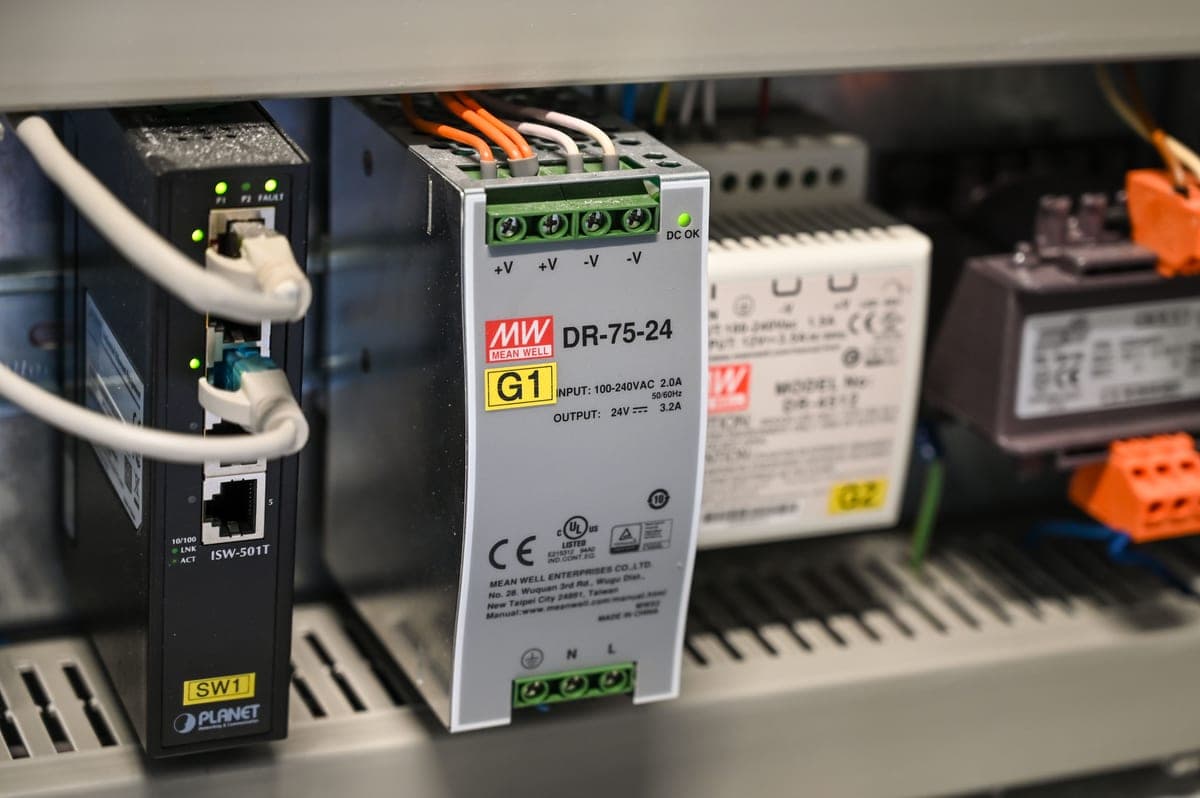
9V vs 18V pedals
Voltage sets the clipping ceiling, not the volume. Which pedals want 18 V, which supplies deliver it, and the mistake that kills a pedal.
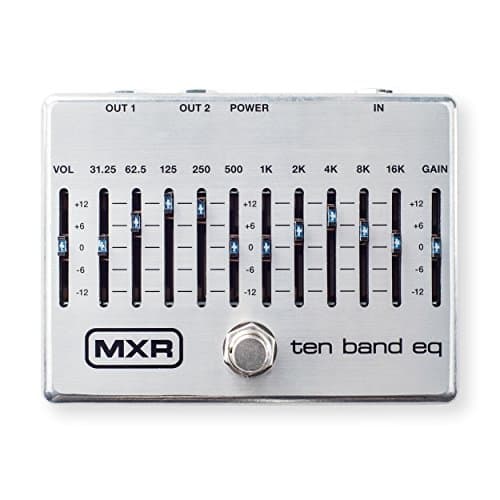
Top pick: MXR 10 Band EQ
#ad How we’re funded · price as of October 18, 2026
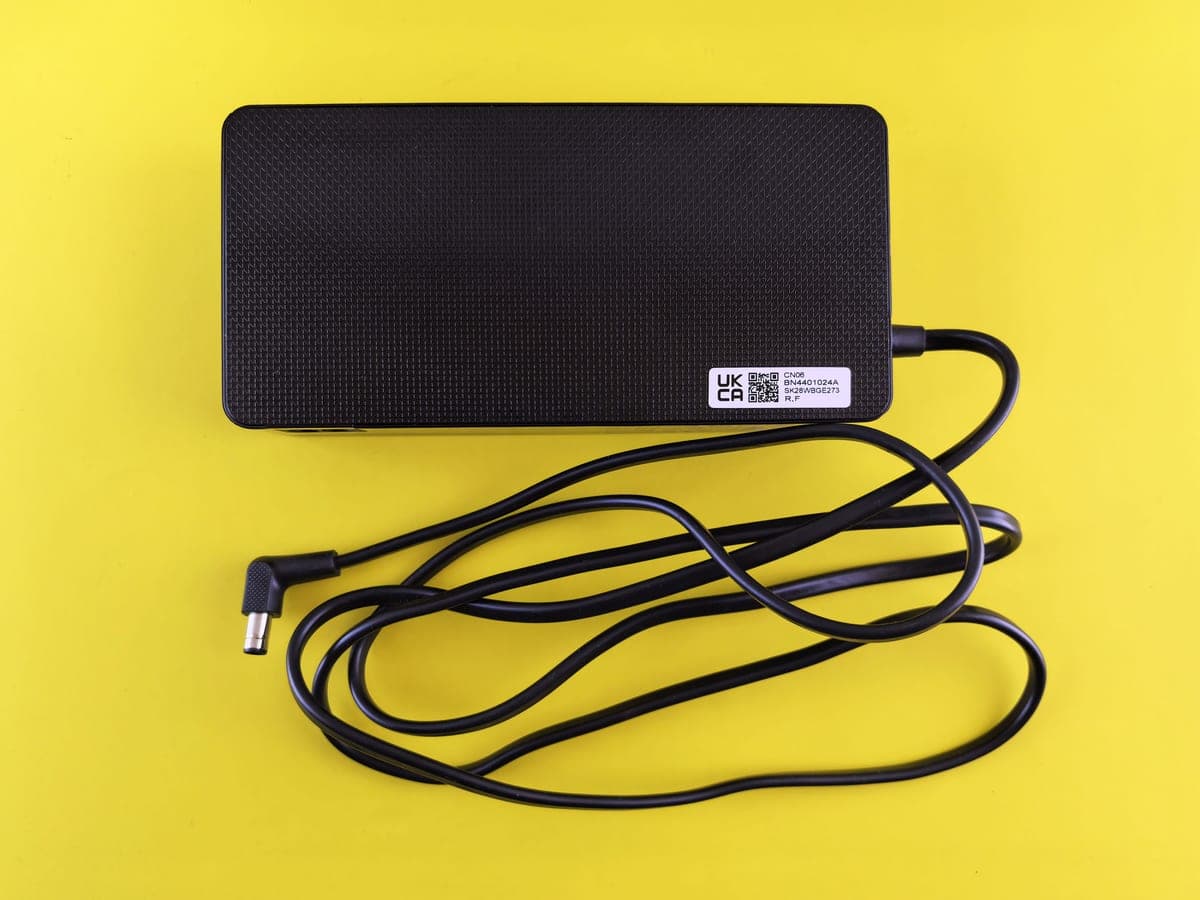
Best pedalboard power supplies
Compare on the highest single output, not total current. Five isolated supplies on their published per-output ratings.
Best Power Supply pick: Strymon Zuma
#ad How we’re funded · price as of October 18, 2026
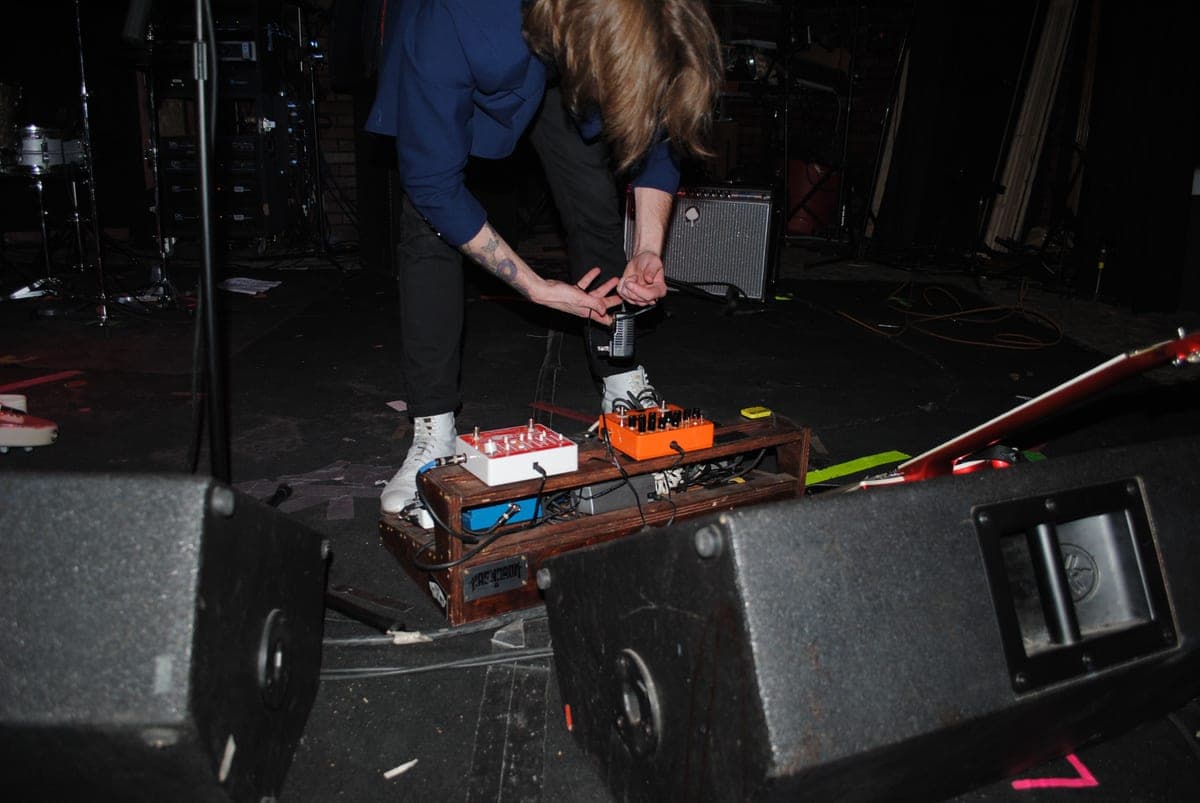
Pedalboard power requirements explained
Two sums decide your power supply, and almost everyone only does the first. A worked example with real published figures.
Top pick: Strymon Zuma
#ad How we’re funded · price as of October 18, 2026
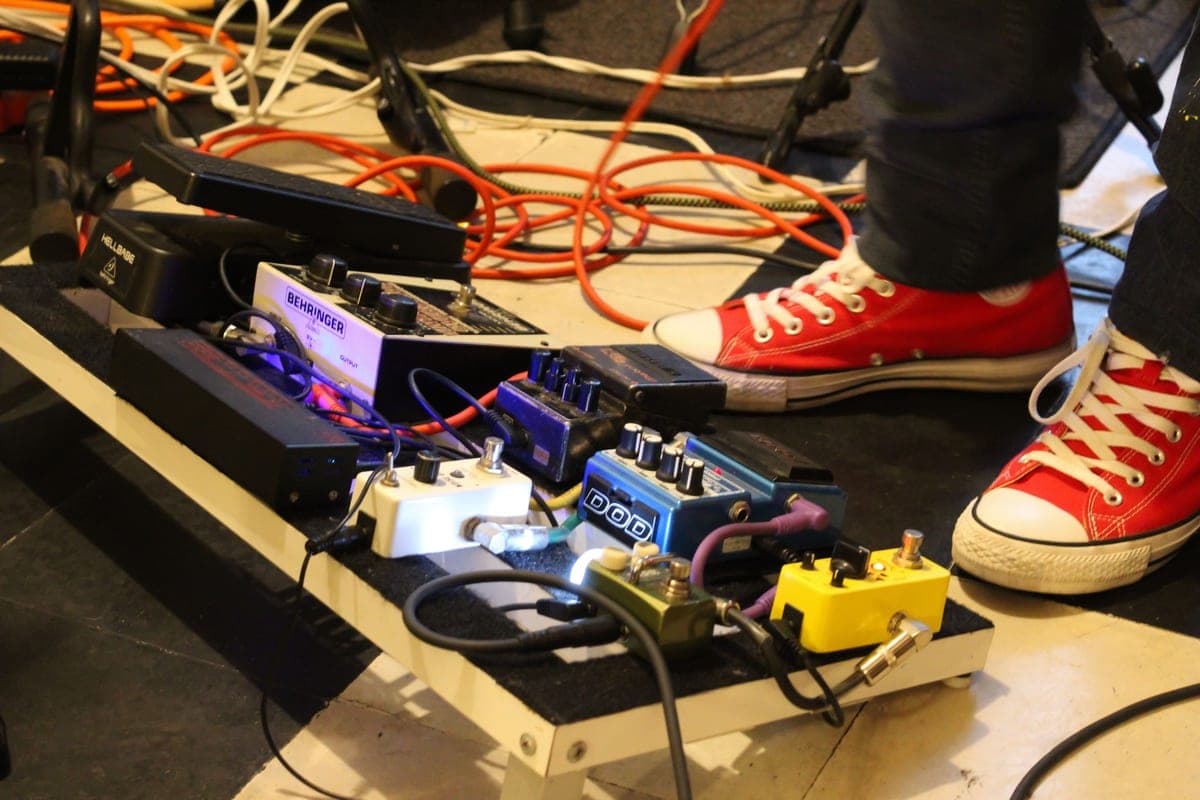
Best pedalboard power supplies under $100
Cheap supplies buy current, not isolation. Which board that is fine for, and which board it is not.
Best Power Under $100 pick: Truetone 1 SPOT
#ad How we’re funded · price as of October 18, 2026
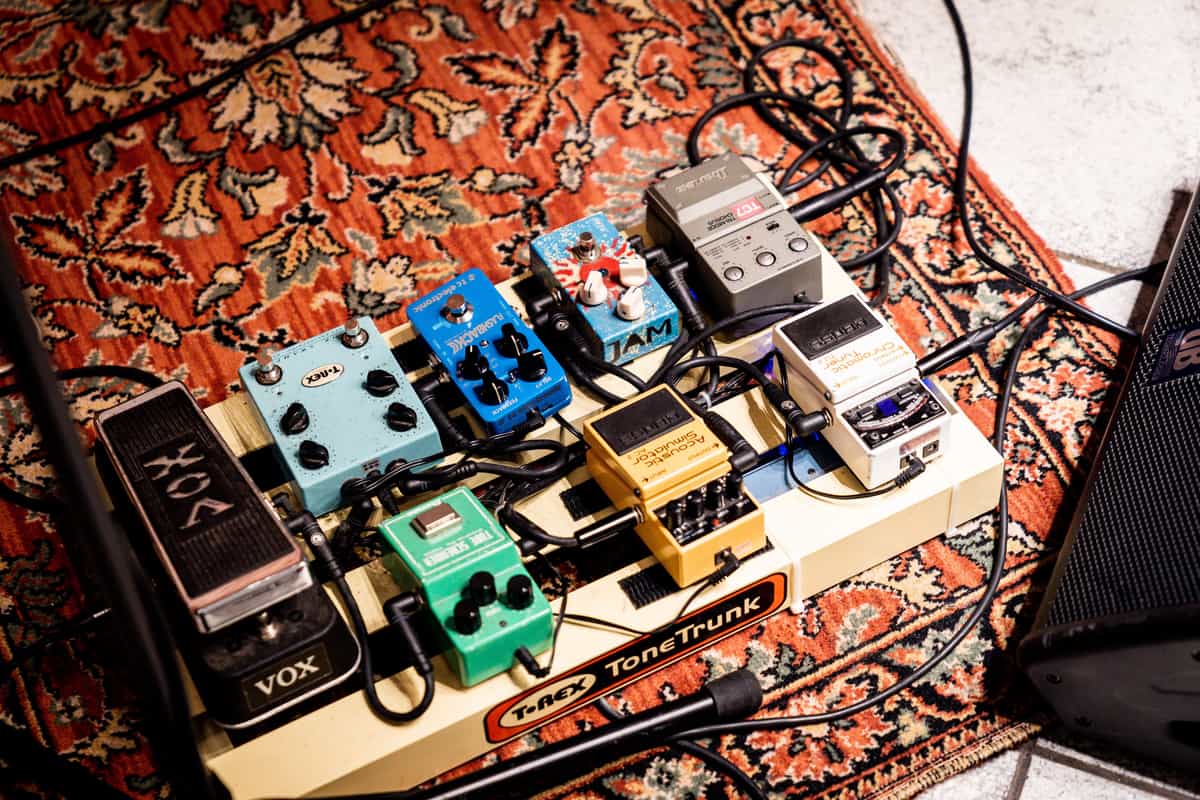
Best noise gate pedals
Which signal the gate listens to is the entire specification. Three gates compared, and the wiring that makes one of them work.
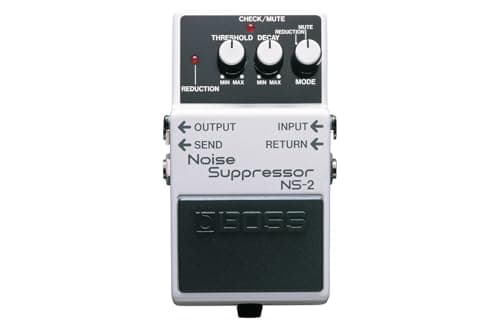
Best Noise Gate pick: BOSS NS-2 Noise Suppressor
#ad How we’re funded · price as of October 18, 2026