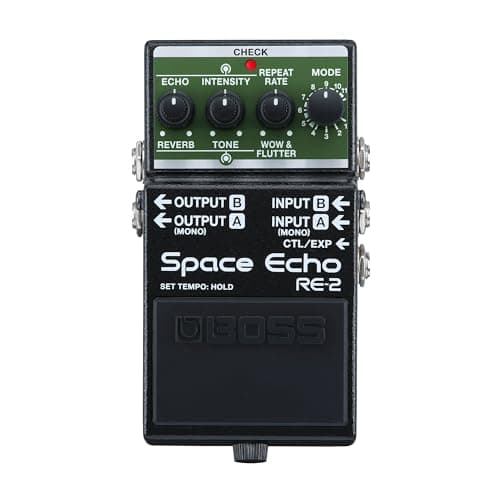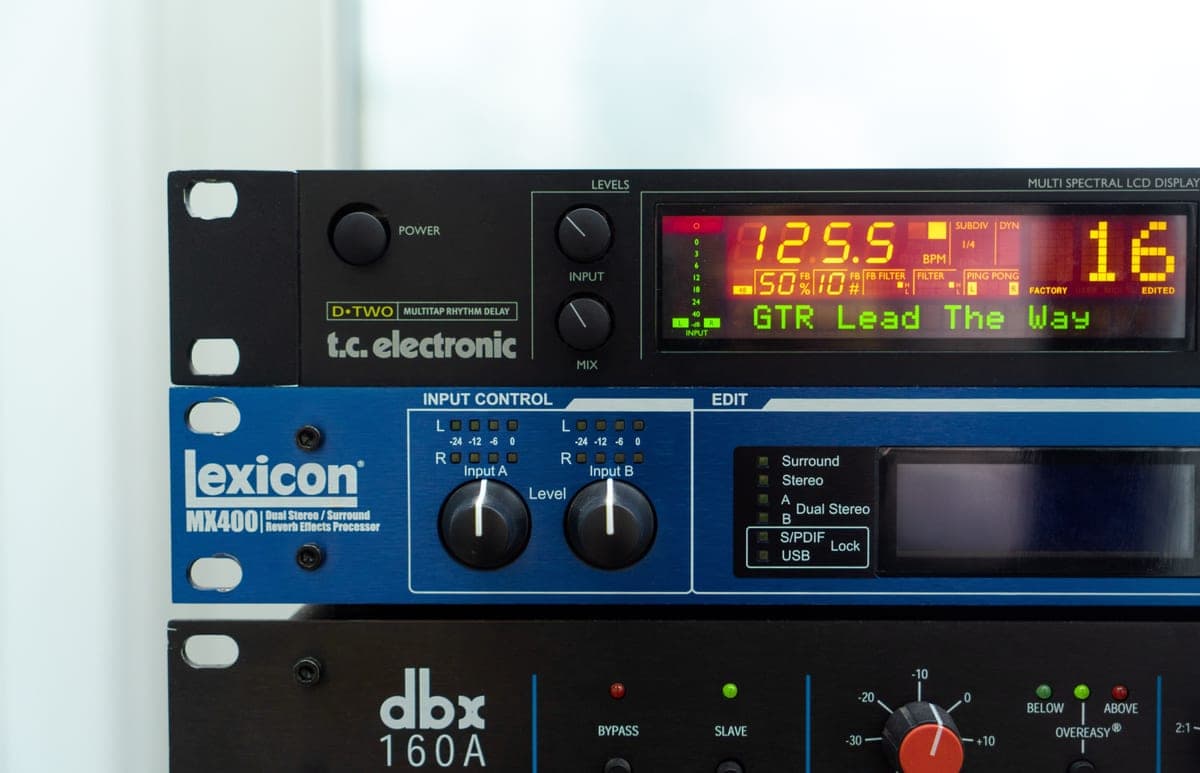
Delay repeats your signal at a set interval; reverb simulates a space by producing a dense cloud of very short reflections. If you can count the repeats, it is a delay. If you cannot, it is reverb. Modulation is a third thing entirely — it splits the signal and detunes or phase-shifts one copy against the other.
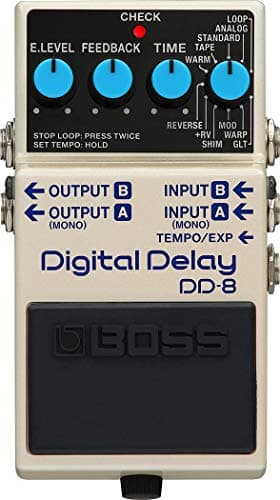
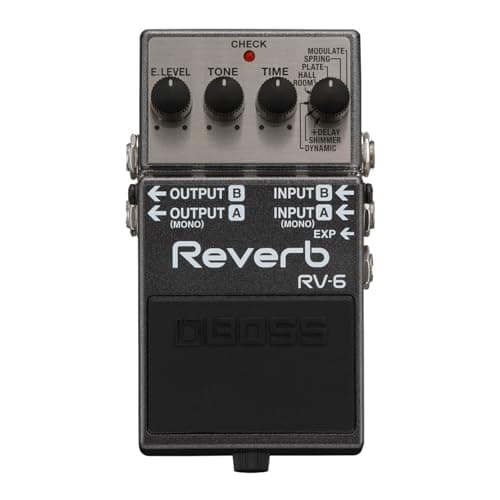
This is the hub where the published specs start mattering for practical rather than tonal reasons. A BOSS DD-8 draws 100 mA. A BOSS RV-6 draws 95 mA. A Strymon Flint asks for a minimum of 300 mA. Meanwhile an EHX Big Muff draws about 3 mA. Adding one digital reverb to a board of analog pedals can multiply the total current draw several times over, and that is how people end up with hum they blame on the pedal.
01Analog and digital delay are different tools
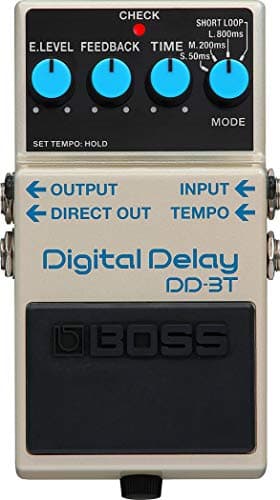
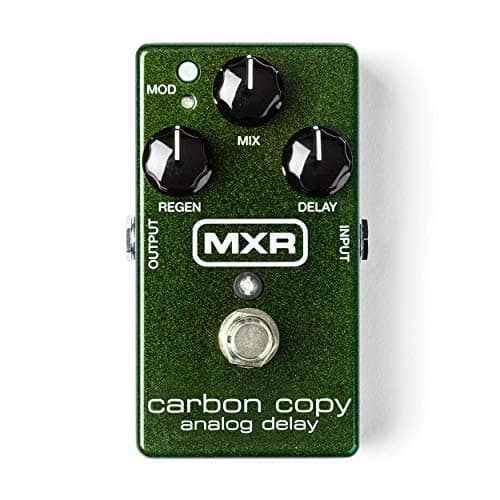
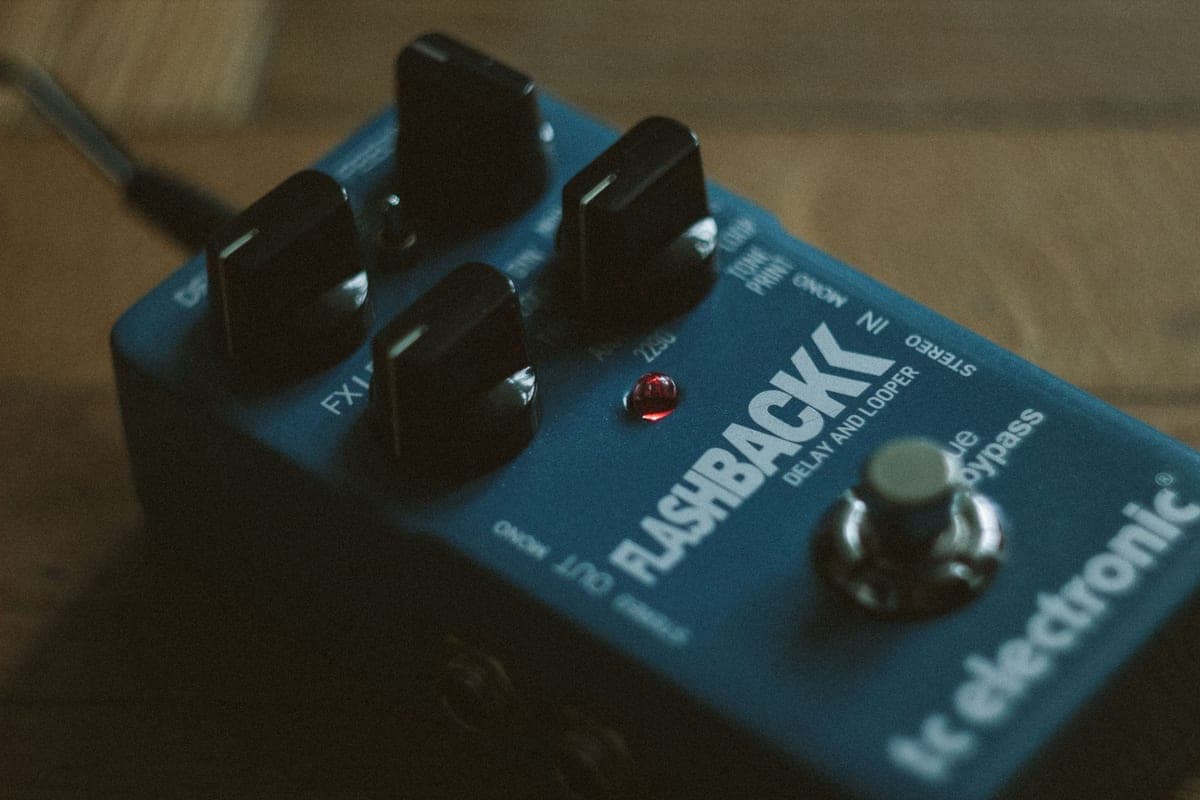
Analog bucket-brigade delay — the MXR Carbon Copy is the reference — has a hard ceiling on delay time (600 ms in the Carbon Copy's case) and repeats that get darker and murkier as they decay. That degradation is the sound. Digital delay has no such ceiling: a DD-8 runs to 10 seconds and its repeats stay clean unless you ask them not to.
If you want slapback and short rhythmic repeats that sit behind the guitar, analog does it beautifully and needs almost no power. If you want long ambient washes, tap tempo, or several delay types on one board, digital is the only option and it costs you 100 mA. The full comparison covers when you want which effect at all.
02Reverb: which type, not which brand
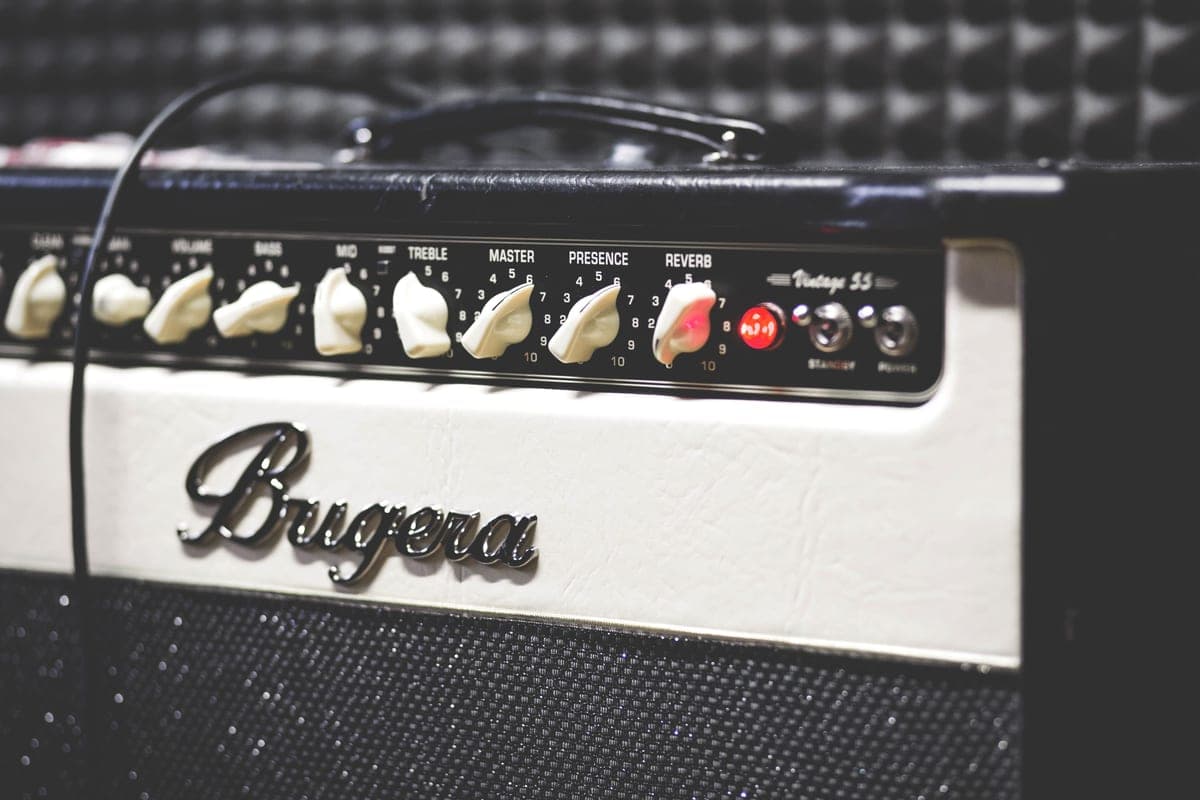
Spring reverb is what is in a Fender amp — splashy, transient, and the sound most guitarists mean by "reverb." Plate is smoother and denser. Hall is longest and most obviously a space. Room is the shortest and the one that mostly reads as "not dry." A BOSS RV-6 gives you eight modes including all four of these; a single-mode pedal makes you choose once. The reverb roundup covers the choice.
03Modulation is the smallest category and the most misused
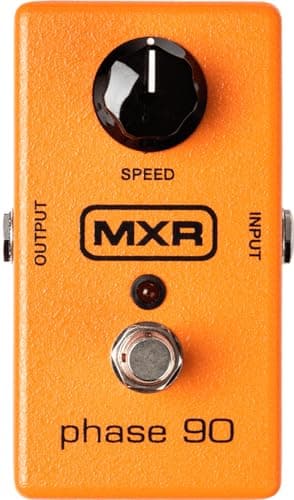
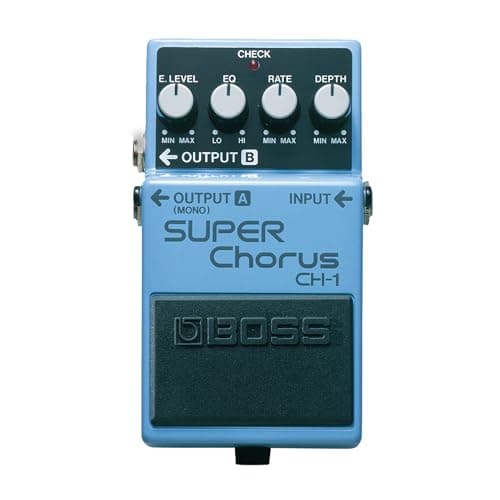
Chorus, phaser, flanger and tremolo all get grouped together and they do quite different things. A phaser sweeps notches through the frequency response; a chorus detunes a delayed copy and mixes it back; a flanger does the same with a much shorter delay and feedback; a tremolo just modulates volume. The MXR Phase 90 has one knob and no depth control, which is either its virtue or the reason to buy something else. The modulation roundup sorts them out.
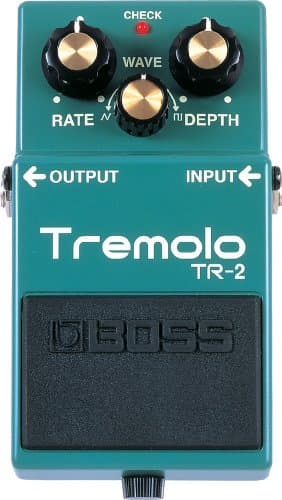
Tremolo gets its own page because it is the simplest of the four and the one whose controls differ most between pedals. Best tremolo pedals is organized around waveshape — a continuous sweep against a set of named shapes — and it also covers the naming error that has an amplifier's tremolo circuit labeled vibrato on the front panel. The other pre-purchase confusion in this group is chorus against phaser, which demo videos make sound similar and normal settings do not: chorus vs phaser covers the mechanism, and the control layout that tells you which is which. Two pedals in this hub also have pages of their own: our BOSS DD-8 review covers eleven delay modes against a 100 mA draw, and our BOSS RV-6 review covers the two reverb modes — Shimmer and Dynamic — that justify it over something cheaper. If the feature you are actually shopping for is a tap switch, best tap tempo delay pedals is the narrower page — and it starts by checking whether the pedal has tap tempo at all, because several famous delays do not. And if the board has room for one enclosure rather than two, best delay and reverb pedals covers the pedals that carry both effects — starting with the test that separates a pedal with two sections from a pedal with one effect and a fixed helping of the other.
04Where these go in the chain
After your drives, and — if your amp has one — in the effects loop rather than in front of the amp. A delay in front of a distorting amp gets distorted, which turns clean repeats into mush. Modulation usually goes before delay and reverb, though a phaser after a delay is a legitimate and quite different sound. Pedal order has the reasoning and the exceptions. Two more pages sit underneath those: Hall of Fame 2 vs BOSS RV-6 compares the two compact reverbs on most shortlists, and our BOSS TR-2 review covers the cheapest route to a tremolo with real waveform control.