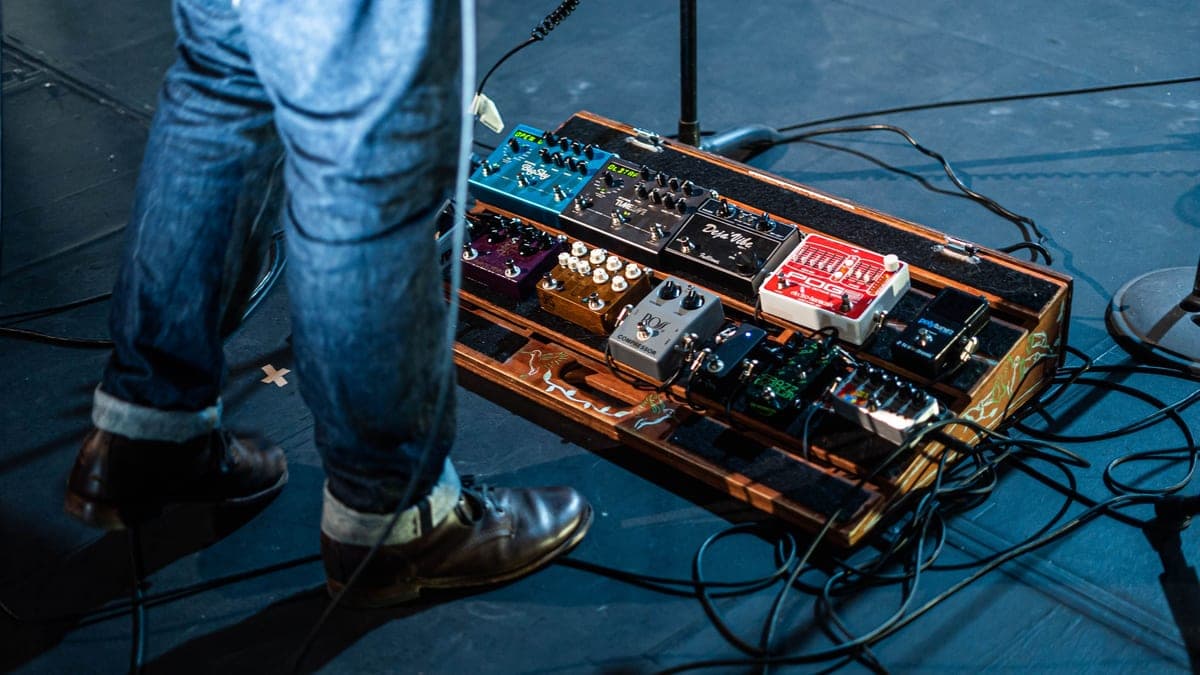
Almost every overdrive pedal on the market is one of four things: a Tube Screamer (mid hump, symmetrical clipping in the op-amp feedback loop), a Blues Driver-style circuit (flatter, more open, discrete gain stages), a Klon-style clean-blend circuit (dry signal mixed back in, treble-forward), or a hard-clipping distortion wearing an overdrive label. Identify the family and you have narrowed a hundred pedals to a handful.
That is the whole organizing idea of this hub. The pedals in each family sound more like each other than like anything in another family, and the differences that get argued about in demo comments are usually smaller than the difference between families.
01The four families, briefly
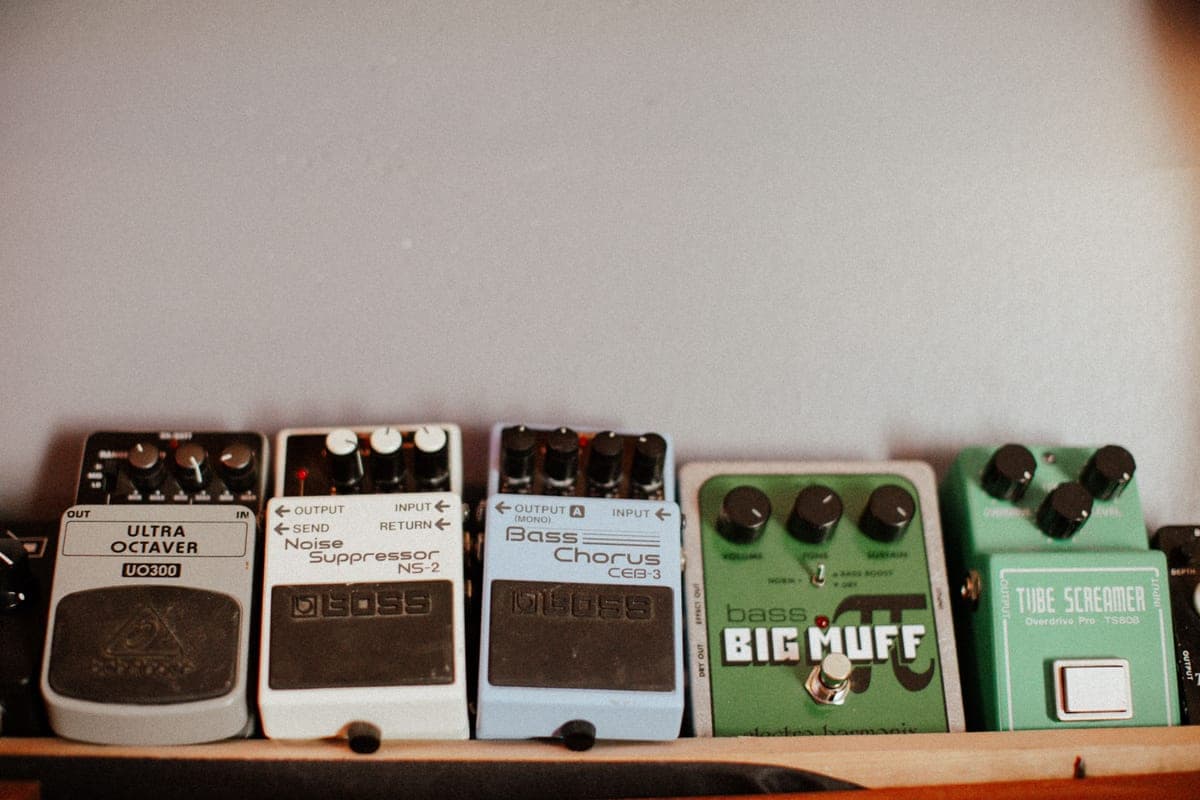
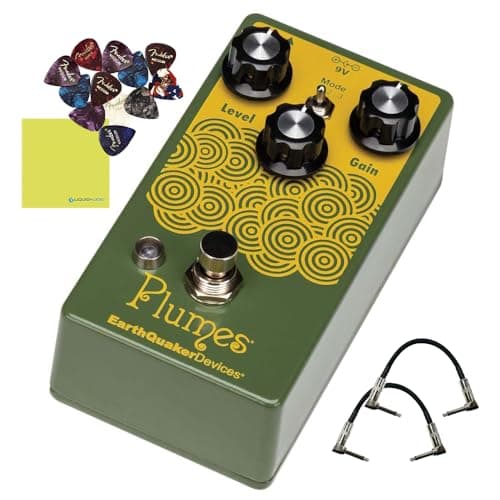
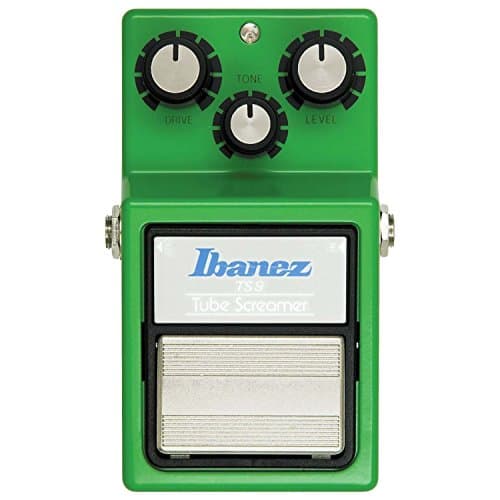
Tube Screamer type. Clipping diodes sit in the feedback loop of the op amp, which compresses the signal symmetrically and leaves a pronounced mid hump with rolled-off bass. That mid hump is why a TS pushes a cranked amp so well and why it sounds thin on its own into a clean solid-state amp. The Ibanez TS9 is the reference; the EarthQuaker Plumes is the modern take that lets you switch the clipping out entirely.
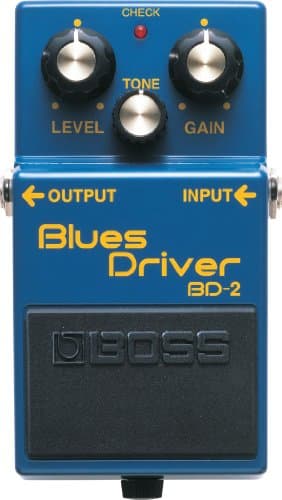
Blues Driver type. BOSS publishes a 1 M ohm input impedance and 20 mA draw for the BD-2, and what matters more is the topology: discrete gain stages rather than an op-amp feedback loop, so the response stays flatter through the mids and more open at the top. It cleans up further on the guitar volume knob than a TS does, and it is less useful as a lead boost for exactly the same reason.
Klon type. A clean signal path runs in parallel with the clipping path and the Gain knob mixes between them. That is why a Klon-style pedal sounds like more of your amp rather than like a pedal, and why it works as a boost at low gain. The originals are collector items; the affordable versions are the reason the query exists at all.
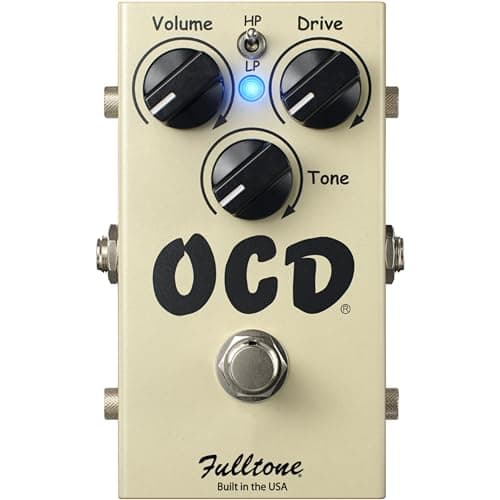
Asymmetric hard clippers. The BOSS SD-1 uses what BOSS describes as an asymmetrical clipping circuit; the Fulltone OCD sits at the distortion end of the label. These do more of the distorting themselves rather than asking the amp to do it.
02Boost is not overdrive
A boost adds gain without adding clipping of its own. What it does depends entirely on what is after it: in front of a clean amp it makes you louder, in front of a cranked amp it makes the amp distort harder, and in front of another drive pedal it pushes that pedal into more compression. Overdrive vs boost works through the three cases with what changes in each.
03What to read next in this hub
If you are choosing your first or second drive, start with the roundup. If you have already narrowed it to two pedals, the head-to-heads are built for exactly that: Tube Screamer vs Klon, Tube Screamer vs Blues Driver and OCD vs RAT cover the three comparisons people actually search for. If you already own a Tube Screamer and want to know which one, the model comparison covers the variants.
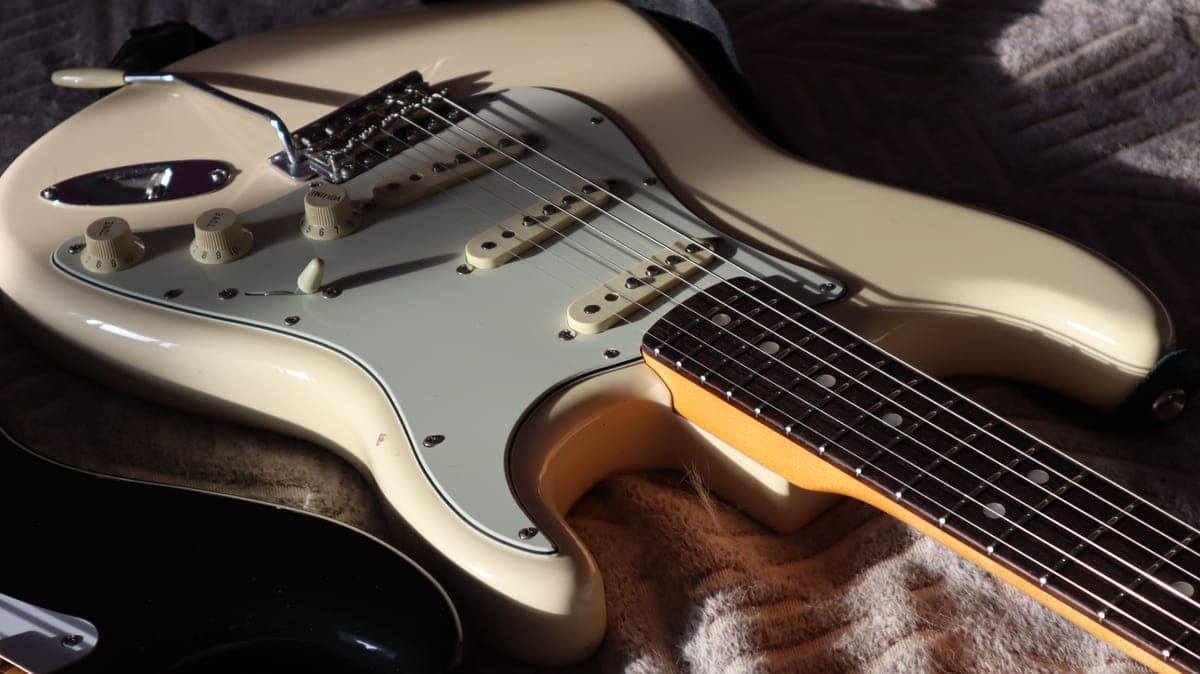
Two more head-to-heads answer the questions that come up once you have a shortlist rather than a category. BOSS overdrive compared puts the BD-2, SD-1 and OD-3 side by side, because they are three different circuits rather than three price points and the published specs prove it. OCD vs Blues Driver is the cleanest illustration of the question every drive purchase turns on: how much should the pedal impose? And because the guitar changes the answer as much as the amp does, best overdrive for a Stratocaster works the shortlist again for single coils, where input impedance and midrange behavior decide it. The most versatile single pedal on those lists has its own page too: our Plumes review sets out what each of its three published clipping modes does, in EarthQuaker's own words, and the relay-bypass catch that comes with it. Our OCD review does the same for the pedal most often mislabeled transparent, including the serial number Fulltone publishes to tell the versions apart.