Best guitar pedals under $100
Cheap pedals do not save money on the circuit. They save it on switches, jacks and enclosures — which is exactly where a gigging pedal fails.
Fret & Fuzz earns a commission when you buy through the links on this page. It costs you nothing and it does not decide what we rank. How we’re funded.
We have not played this gear. Every pick below is chosen from published manufacturer specifications and the arithmetic set out in how we research, which you can re-run yourself.
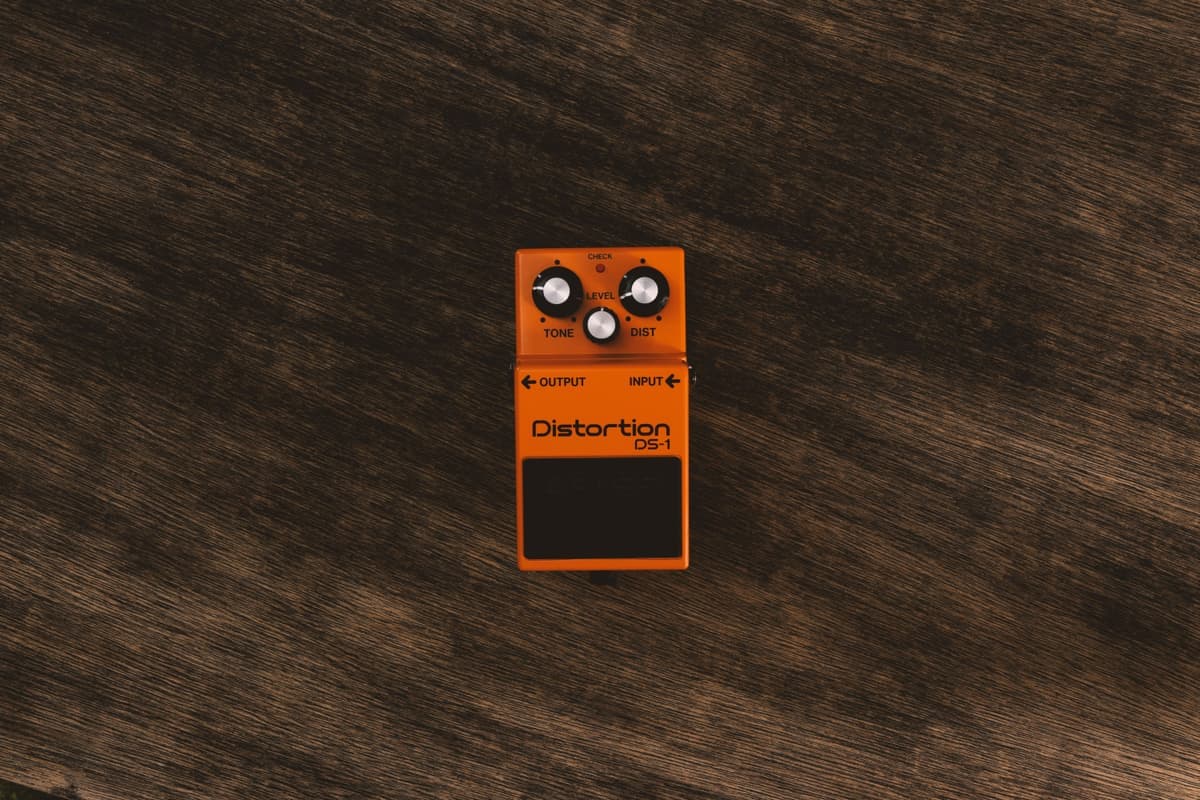
Under $100 buys you the same circuits, not worse ones. What it does not buy is the hardware you touch: the footswitch, the jacks, the pot shafts and the enclosure. Those are the parts that fail on a gigging board and they are exactly where the cost gets cut. For a bedroom or practice room that trade-off is close to free.
It is worth being specific about this rather than repeating either of the usual positions. 'You get what you pay for' is wrong — several budget pedals are faithful copies of circuits that cost five times as much. 'Expensive pedals are a scam' is also wrong — the money is going somewhere real, it is just not going where most buyers assume.
Best pedals under $100
| # | Product | Best for | Price |
|---|---|---|---|
| 01 | 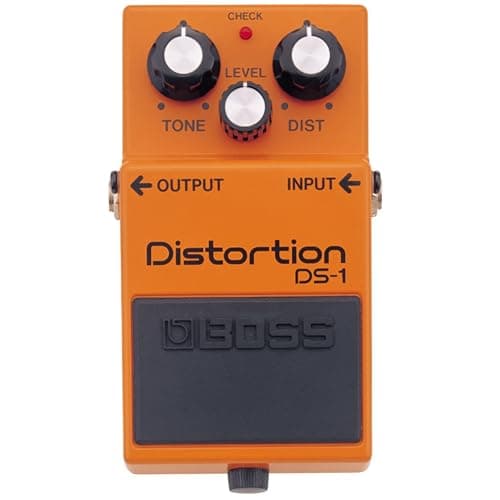 BOSS DS-1 Distortion A published spec sheet, a five-year warranty and a circuit that has been on records for forty years. | The most pedal per dollar, still | |
| 02 | 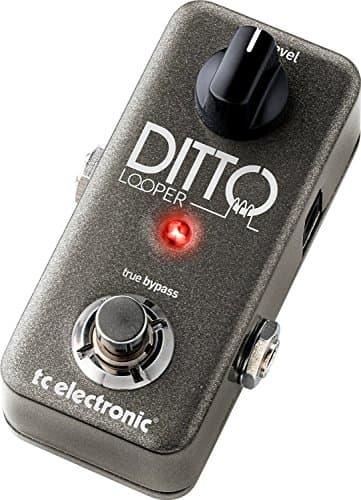 TC Electronic Ditto Looper Five minutes, one knob, true bypass and analog dry-through. Deliberately not more than that. | The best cheap pedal nobody regrets | $83.90 · Check price #ad How we’re funded · price as of October 17, 2026 |
| 03 | 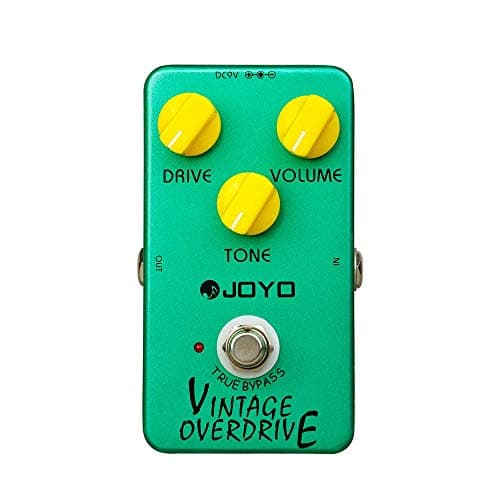 JOYO Vintage Overdrive JF-01 The same circuit topology in a cheaper box — and the box is where the money went. | A Tube Screamer circuit for a fraction of the price | $50.43 · Check price #ad How we’re funded · price as of October 17, 2026 |
| 04 | 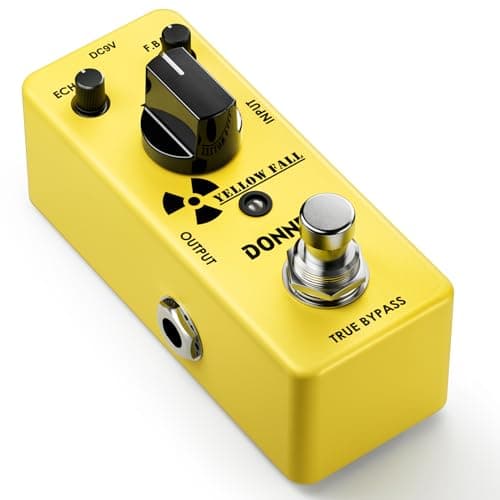 Donner Yellow Fall Analog Delay A genuine analog delay in a mini enclosure, with the short delay time that implies. | Analog slapback on a budget | |
| 05 | 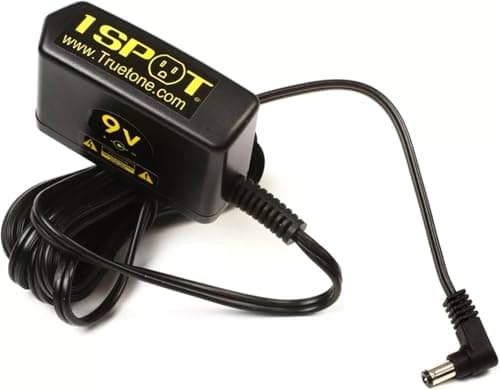 Truetone 1 SPOT 1,700 mA from one output, worldwide voltage, and it fits in the space of a single wall socket. | The best hundred dollars you will spend on a board | $27.99 · Check price #ad How we’re funded · price as of October 17, 2026 |
| ! | 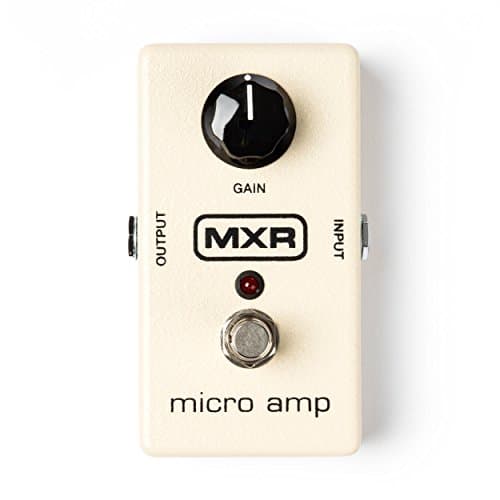 MXR Micro Amp A clean boost with one knob and no EQ, bought most often to fix something a boost cannot fix. Skip this one — see why below | A pedal that rarely solves the problem it gets bought for | $105.99 · Check price #ad How we’re funded · price as of October 17, 2026 |
Rows link to the full write-up further down this page. Prices come from the live price layer only — where there is no live figure the button reads “Check price” rather than showing a remembered number.
02Where the money actually goes
| Component | Budget pedal | Why it matters |
|---|---|---|
| Circuit | Often the same topology, sometimes the same parts | This is the part buyers worry about and the part that differs least |
| Footswitch | Lower-rated mechanical switch | The single most common failure on a gigging pedal |
| Jacks | Plastic-bodied, board-mounted | Board-mounted jacks transmit cable strain straight to the circuit board |
| Pots | Shorter shafts, lighter detents | Knob wobble and scratchiness within a couple of years of regular use |
| Enclosure | Thinner cast or folded metal | Rarely a real problem unless the pedal gets stood on hard |
| Bypass | Often true bypass, sometimes with a pop | True bypass is cheaper to implement than a good buffer, not better |
| Documentation | Frequently none | You cannot plan a power budget for a pedal with no published draw |
That last row is the one that affects this site directly. A BOSS compact publishes its current draw, impedance and dimensions; most budget makers publish a marketing page. If you are building a board around a shared supply, an undocumented pedal is a variable you have to measure yourself.
BOSS DS-1 Distortion
The most pedal per dollar, still
The number10 mA draw, 1 M ohm in, 1 k ohm out — all published, which is more than most budget makers offer.
The DS-1 is the reference point for what a cheap pedal should be, and the reason is not the circuit — it is that BOSS publishes the specification, builds it in a die-cast enclosure with a switch mechanism that does not wear out, and backs it for five years.
The single Tone knob scoops as it brightens, which is the pedal's real limitation. A DS-1 into an already-scooped amp is the classic way to disappear under a band. Used with the tone low and an EQ after it, it is far more capable than its reputation.
At 10 mA it will run off anything, including a daisy chain shared with three other pedals.
| Controls | Tone, Level, Dist, pedal switch |
|---|---|
| Input impedance | 1 M ohm |
| Output impedance | 1 k ohm |
| Current draw | 10 mA |
| Power | 9 V battery (6F22 / 6LR61) or PSA-series adaptor |
| Size / weight | 73 x 129 x 59 mm, 360 g |
| What it does not do | No adaptor included, no true bypass. The single Tone knob scoops as it brightens, so a DS-1 into an already-scooped amp is the classic recipe for disappearing in a band mix. |
Specs from BOSS DS-1 specifications. We have not used this unit.
TC Electronic Ditto Looper
The best cheap pedal nobody regrets
Loopers get bought for practice and abandoned because the interface is too complicated to use without thinking. The Ditto has one footswitch and one Level knob, which means the interface never gets in the way.
TC publishes 24-bit uncompressed recording with an analog dry path, true bypass, and five minutes of recording time. Nobody has ever run out of five minutes on a practice looper.
It has no rhythm track, no USB, no stereo and no saved loops. If you need those, you need a different looper and a different budget.
| Recording time | 5 minutes |
|---|---|
| Controls | One Level knob, one footswitch |
| Audio path | Analog dry-through with 24-bit uncompressed recording |
| Bypass | True bypass |
| Power | 9 V DC center-negative |
| What it does not do | No stereo, no rhythm, no USB, no saved loops, no undo on the original model. It is the smallest sensible looper and it is deliberately not more than that. |
Specs from TC Electronic Ditto Looper product page. We have not used this unit.
#ad How we’re funded · price as of October 17, 2026
JOYO Vintage Overdrive JF-01
A Tube Screamer circuit for a fraction of the price
This is a Tube Screamer-style overdrive at roughly a fifth of the price of a TS9, and the honest position is that the circuit is close enough that most listeners could not pick them apart in a mix.
What is different is everything you touch. The footswitch, the jacks, the pot shafts and the enclosure are where a budget pedal saves money, and those are the parts that fail. For a bedroom or a practice room this is a non-issue. For a gigging board it is the whole issue.
No electrical data is published, which is itself a difference from the pedals above — you are trusting the category rather than a spec sheet.
| Controls | Volume, Tone, Drive |
|---|---|
| Circuit | Tube Screamer-style overdrive in a compact enclosure |
| Power | 9 V DC center-negative |
| Electrical data | No current-draw or impedance figure is published for this pedal, so none is stated here. |
| What it does not do | No power supply included. Jack and switch hardware is where the money was saved — this is the part of a budget pedal that fails first, and it is worth knowing before you gig one. |
Specs from JOYO Audio product range. We have not used this unit.
#ad How we’re funded · price as of October 17, 2026
Donner Yellow Fall Analog Delay
Analog slapback on a budget
Analog delay circuits are cheap to build and this is a real one — three knobs, short maximum delay time, and repeats that darken as they decay.
The limitation is the delay time, which is short even by analog standards. This is a slapback and short-repeat pedal. If you want long ambient repeats or tap tempo, no analog pedal at this price will do it and you are looking at a digital delay at three times the money and thirty times the current draw.
No power supply is included and there is no battery compartment, so budget for a supply.
| Controls | Echo, Feedback, Time |
|---|---|
| Circuit | Analog delay in a mini enclosure |
| Power | 9 V DC center-negative — no battery compartment |
| Electrical data | No current-draw or impedance figure is published for this pedal, so none is stated here. |
| What it does not do | No power supply included, no tap tempo, no modulation. Maximum delay time is short — this is a slapback and short-repeat pedal, not an ambient one. |
Specs from Donner guitar effects range. We have not used this unit.
Truetone 1 SPOT
The best hundred dollars you will spend on a board
The number1,700 mA total, zero isolation. Both halves of that matter.
Nobody puts a power supply in a 'best pedals' list and it is usually the highest-value purchase on a small board. Individual 9 V adaptors are the most common cause of hum, and batteries are a false economy the first time one dies mid-set.
The 1 SPOT delivers 1,700 mA from a single non-isolated output and accepts 100-240 V, so it works anywhere. Daisy-chained across four or five analog pedals it is silent and costs less than most single pedals.
It has no isolation at all. Every pedal shares a ground, which is fine for analog pedals and is precisely the condition that produces hum once you add a digital delay or reverb. Isolated vs daisy chain covers when you have outgrown it.
| Output | 9 V DC, 1,700 mA from a single non-isolated output |
|---|---|
| Isolation | None — this is a single supply intended for daisy-chaining |
| Mains input | 100-240 V AC, worldwide |
| Format | Single-space wall unit with a right-angle plug |
| What it does not do | No isolation at all. Every pedal on the chain shares a ground, which is exactly the condition that produces hum with a digital pedal in the mix. It is a great first supply and a bad final one. |
Specs from Truetone 1 SPOT product page. We have not used this unit.
#ad How we’re funded · price as of October 17, 2026
MXR Micro Amp
A pedal that rarely solves the problem it gets bought for
We are not picking this one, and it is a well-made pedal. The Micro Amp does exactly what it says: adds clean gain, with no tone shaping at all.
The problem is what people buy it for. A boost gets bought to make a thin tone fuller, or a quiet amp louder in a mix, and it does neither — it makes whatever comes after it work harder. Into a clean amp that is just volume. Into a distorting amp it is more distortion, not more clarity.
If you want a lead lift with a tone change, a low-gain overdrive does more for the same money. If you genuinely want clean gain with no color, the Micro Amp is fine — just be sure that is the problem you have. Overdrive vs boost works through the three cases.
| Controls | Single Gain control |
|---|---|
| Function | Clean gain boost with no tone shaping |
| Power | 9 V battery, Dunlop ECB003 adapter, or a DC Brick / Iso-Brick supply |
| Electrical data | No current-draw or impedance figure is published for this pedal, so none is stated here. |
| What it does not do | No EQ of any kind and no power supply included. A clean boost cannot fix a thin tone; it makes whatever follows it work harder. |
Specs from MXR Micro Amp product page. We have not used this unit.
03The three-pedal board under $100 each
It is genuinely possible to build a complete, useful board where nothing costs three figures: a tuner, one drive pedal, one delay, and a 1 SPOT to power them. That covers silent tuning, a dirt sound your amp does not have, and a time effect — which is most of what any board does.
- Tuner — a basic chromatic pedal tuner. Accuracy to +/- 1 cent is standard at this price and it is enough for stage use.
- One drive pedal chosen against your amp: transparent if the amp already breaks up, mid-humped if it stays clean.
- One delay — analog if you want slapback and near-zero current draw, digital if you want time and tap tempo.
- A 1 SPOT and a daisy chain. If you later add a digital reverb, revisit isolated vs daisy chain.
Frequently asked questions
+ Are cheap guitar pedals worth it?
+ What is the best cheap distortion pedal?
+ Should I buy a cheap power supply?
+ Is a budget Tube Screamer clone as good as a real one?
Sources
Related on Fret & Fuzz
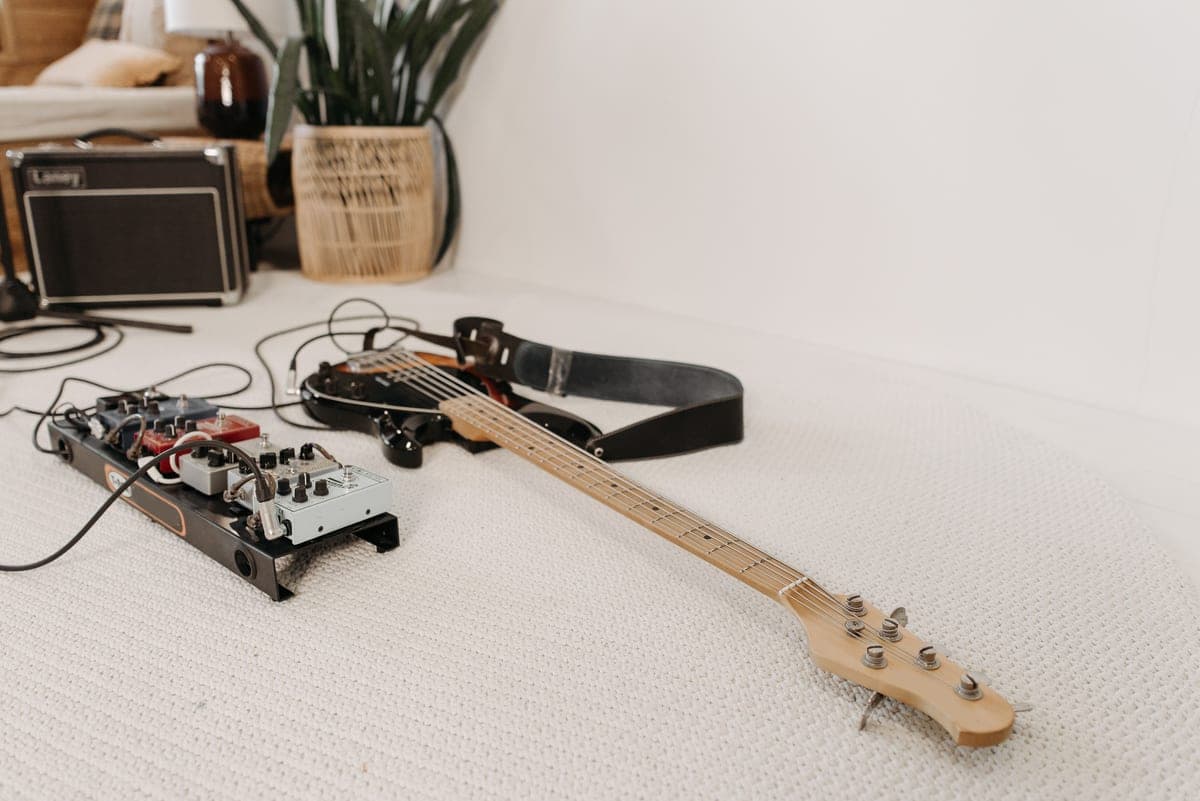
Isolated power supply vs daisy chain
Two topologies, two failure modes. The mechanism behind the hum, and the point at which a daisy chain stops being enough.
Top pick: Truetone 1 SPOT
#ad How we’re funded · price as of October 17, 2026
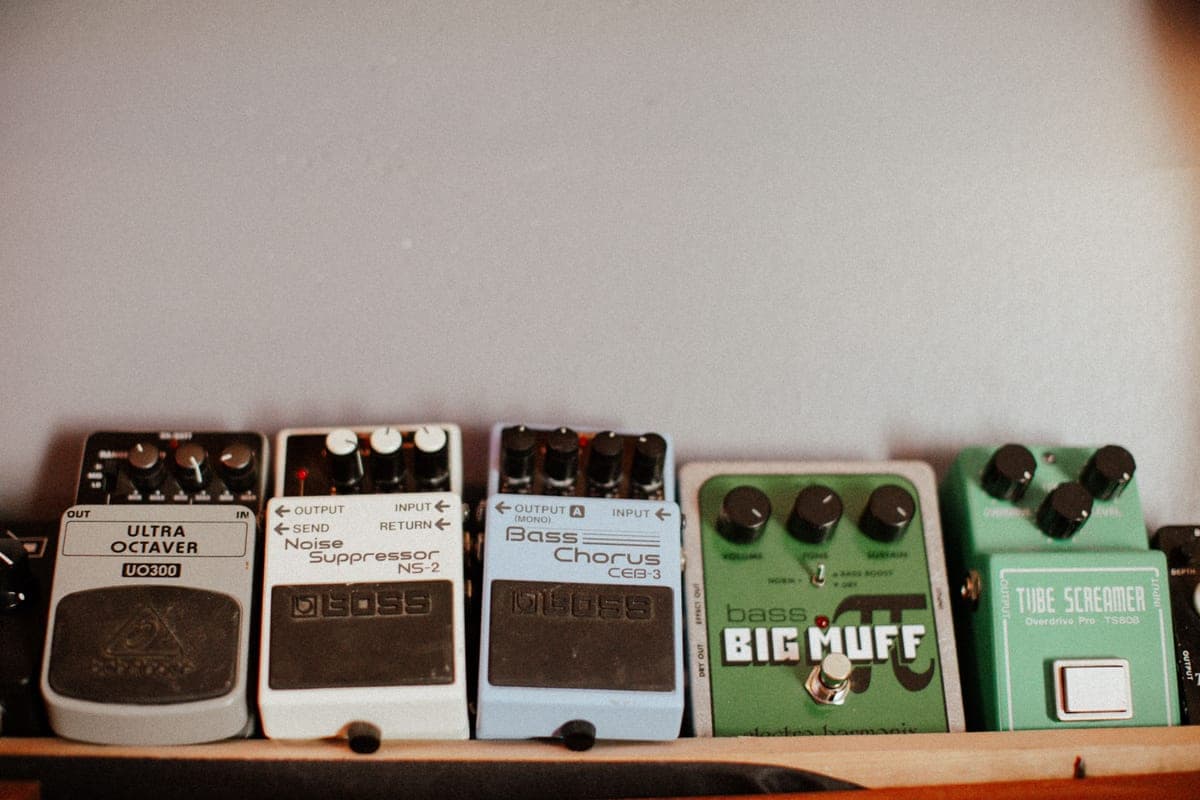
Best overdrive pedals
Six overdrives sorted by circuit family, with the published clipping topology and impedance figures that separate them.
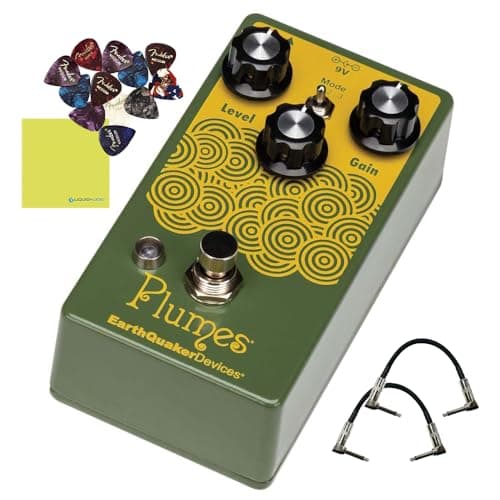
Best Overdrive pick: EarthQuaker Devices Plumes
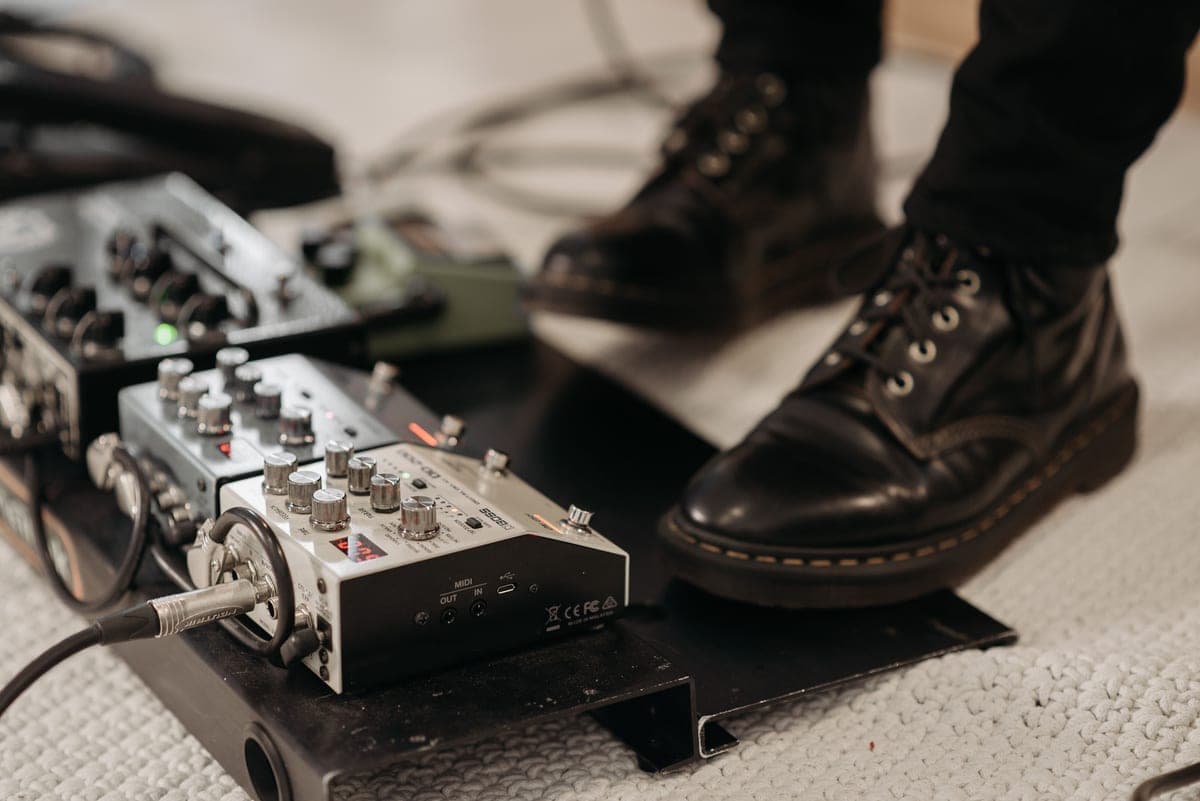
Best pedalboard patch cables
The cheapest item on a board and the most common cause of an intermittent fault. Which format fails and why.
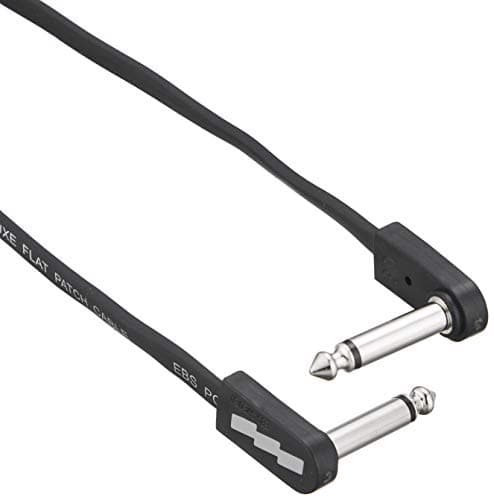
Best Patch Cables pick: EBS Flat patch cables
#ad How we’re funded · price as of October 17, 2026
The best guitar pedals of all time
Seven circuits everything else gets compared to, what each one does to the signal, and which current version is the real thing.
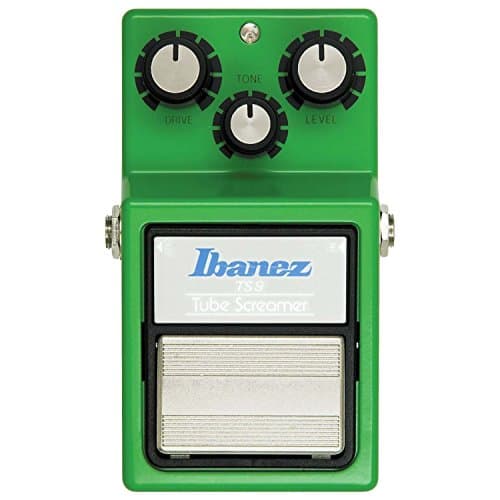
The Canon pick: Ibanez TS9 Tube Screamer
#ad How we’re funded · price as of October 17, 2026