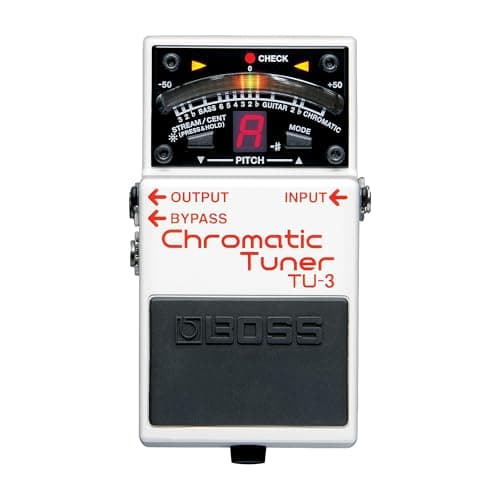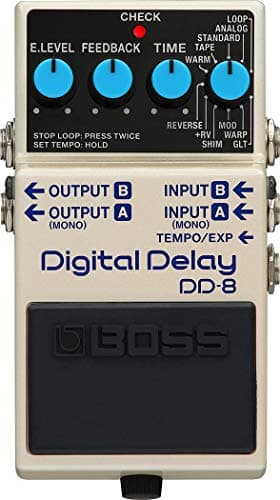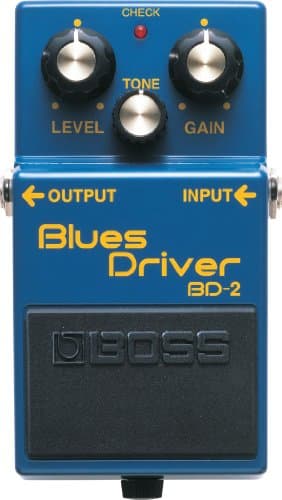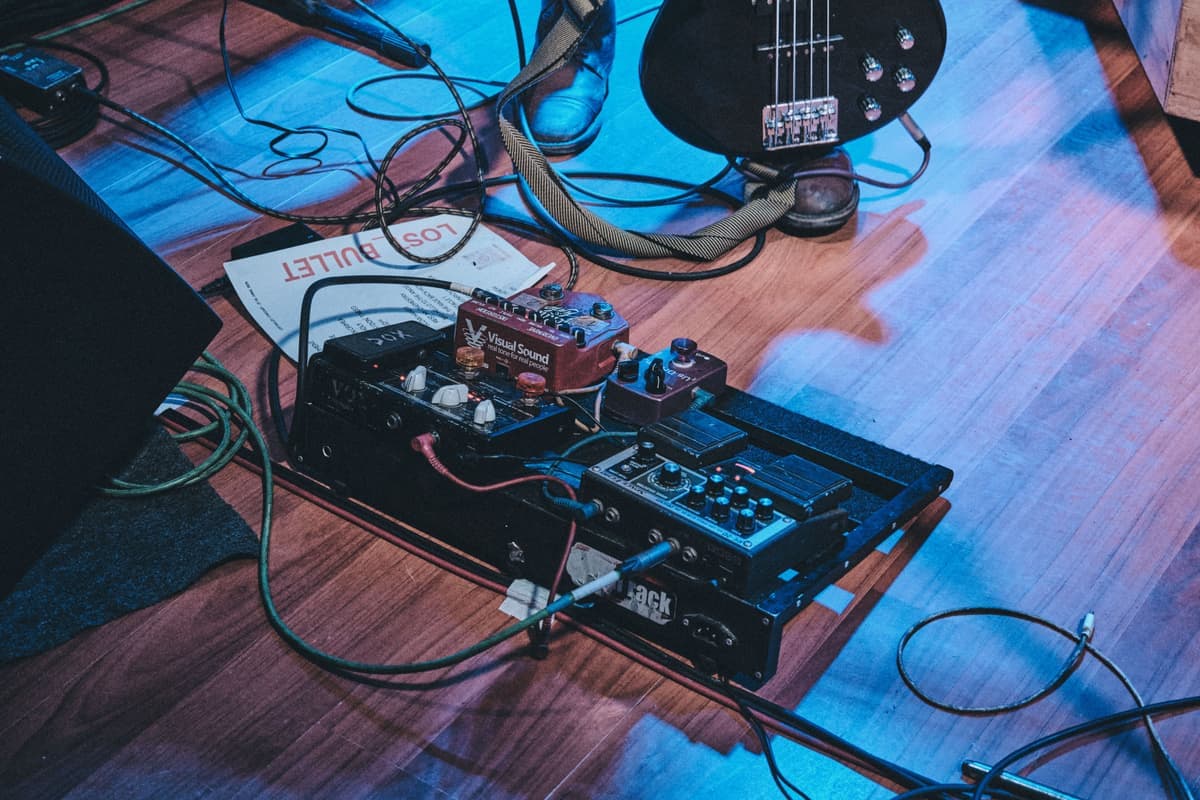
If you own one drive pedal and one amp, the highest-value next purchase is almost never another drive pedal. It is the thing that fixes a specific problem you can name: a tuner if you retune between songs, a compressor if your picking is uneven, a delay if your parts sound bare. Buy the fix, not the flavor.
This is the top of the site. Everything below it is a shortlist for one job — overdrive, fuzz, delay, compression, power, amps — and every shortlist is built the same way: from published manufacturer specifications, with the arithmetic shown where arithmetic decides the answer, and with at least one pick we tell you to skip.
01What a shortlist here is built from
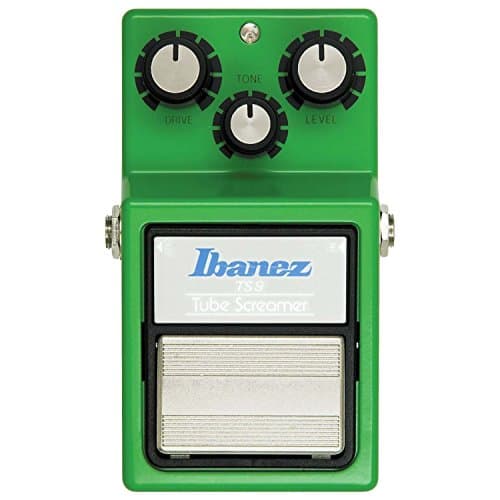
There are four things a spec sheet will tell you that a demo video will not. Clipping topology decides whether a drive pedal compresses symmetrically or asymmetrically, which is most of the difference between a Tube Screamer and a Blues Driver. Current draw decides whether a pedal fits on your power supply, and it is the single most common reason a new pedal hums on an old board. Input impedance decides how a pedal interacts with what sits in front of it, which is why a Fuzz Face behaves differently after a buffered tuner. Bypass type decides whether the pedal is in your signal path when it is off.
None of those four are opinions. All four are published, or conspicuously not published, and we say which. Where a manufacturer does not publish a figure — MXR and Pro Co publish almost no electrical data — the spec table says so rather than carrying a number we found on a forum.
02How the cuts are divided
The main list answers the general question. The genre cuts answer the specific one, because "best pedal" means something different if you are chasing a wall of noise than if you are chasing a clean boost. The budget cut exists because under-$100 is a real constraint with real answers, not a consolation prize — several of the pedals in it are the same circuits the expensive ones copy.
- Best pedals for metal — where a noise gate matters more than the distortion pedal does
- Best pedals for shoegaze — fuzz, modulation and reverb, and why the order matters more here than anywhere else
- Best pedals for worship music — the one genre where the delay is the instrument and the drive pedal is a supporting act
- Best pedals for blues — the one genre where the best pedal is the one you stop noticing, judged on how much dynamic range survives
- The all-time classics — the circuits everything else is measured against, and which reissues are the real thing
- Best pedals under $100 — what the money buys and where it is saved
03Where to start if you own nothing but a guitar and an amp
Start with a tuner, because it is the only pedal that makes you sound better every single time you use it. Then one drive pedal chosen to complement your amp rather than duplicate it — if your amp already breaks up, a transparent drive; if it stays clean, something with its own voice. Then a delay. That is a complete rig, and it is three pedals.
The reason to stop at three for a while is power. Three analog pedals will run off almost anything. The moment you add a digital delay or reverb, the current draw jumps by an order of magnitude and you are buying a power supply too — which is a real cost people forget to budget for. The power arithmetic guide has the numbers.
04What we do not do
We have not played these pedals. There is no test bench here, no listening room, and no claim that there is. What there is: manufacturer documentation, arithmetic you can re-run, and a link to the source for every figure. If that sounds like a smaller claim than the sites promising twenty pedals tested this month, it is — and it is one we can actually back. How we research sets out the whole method.