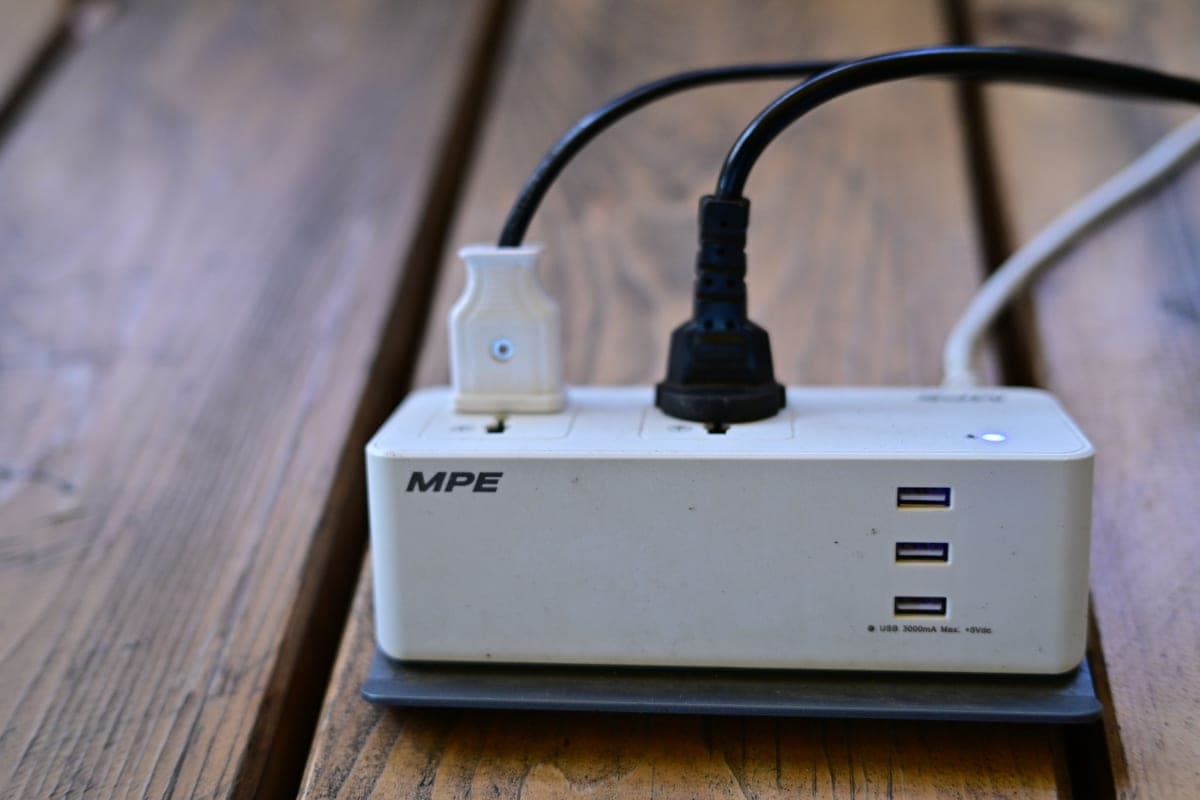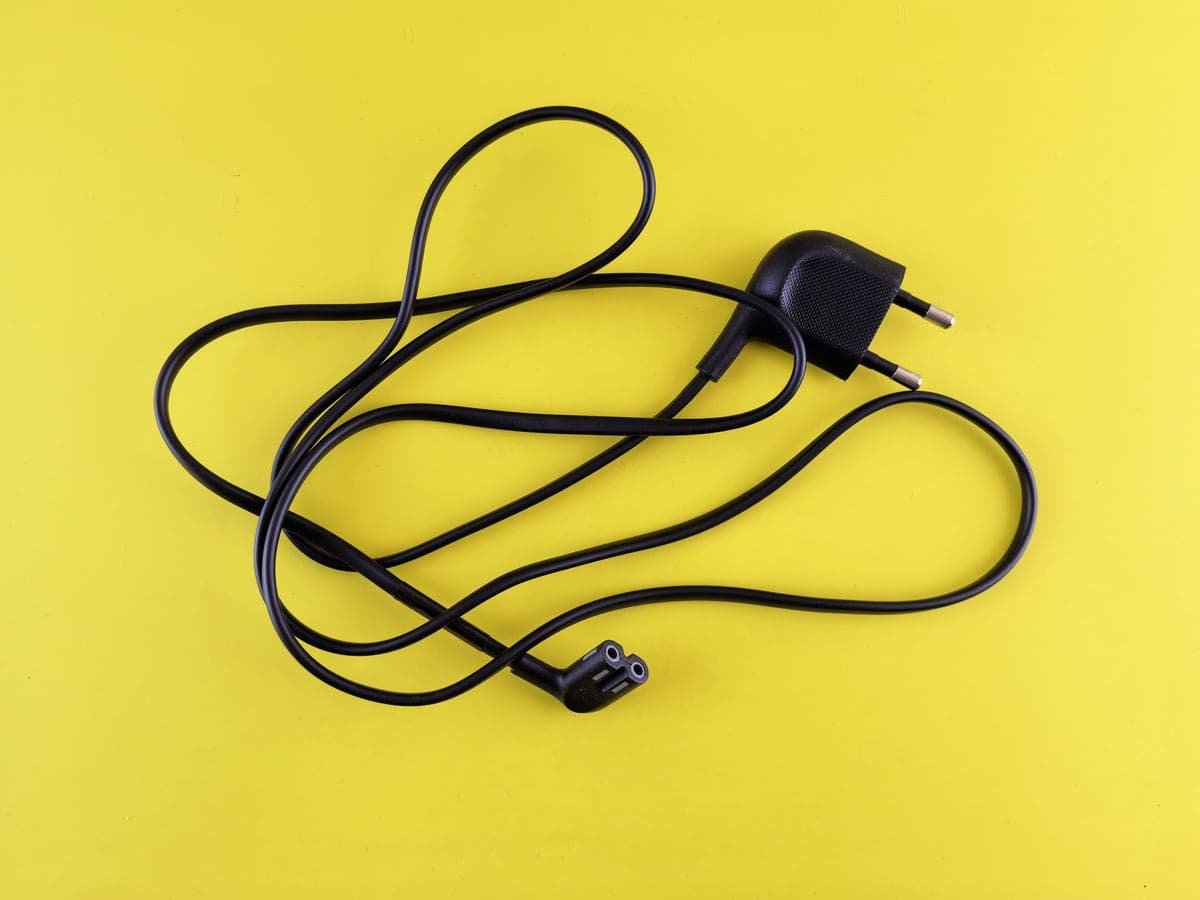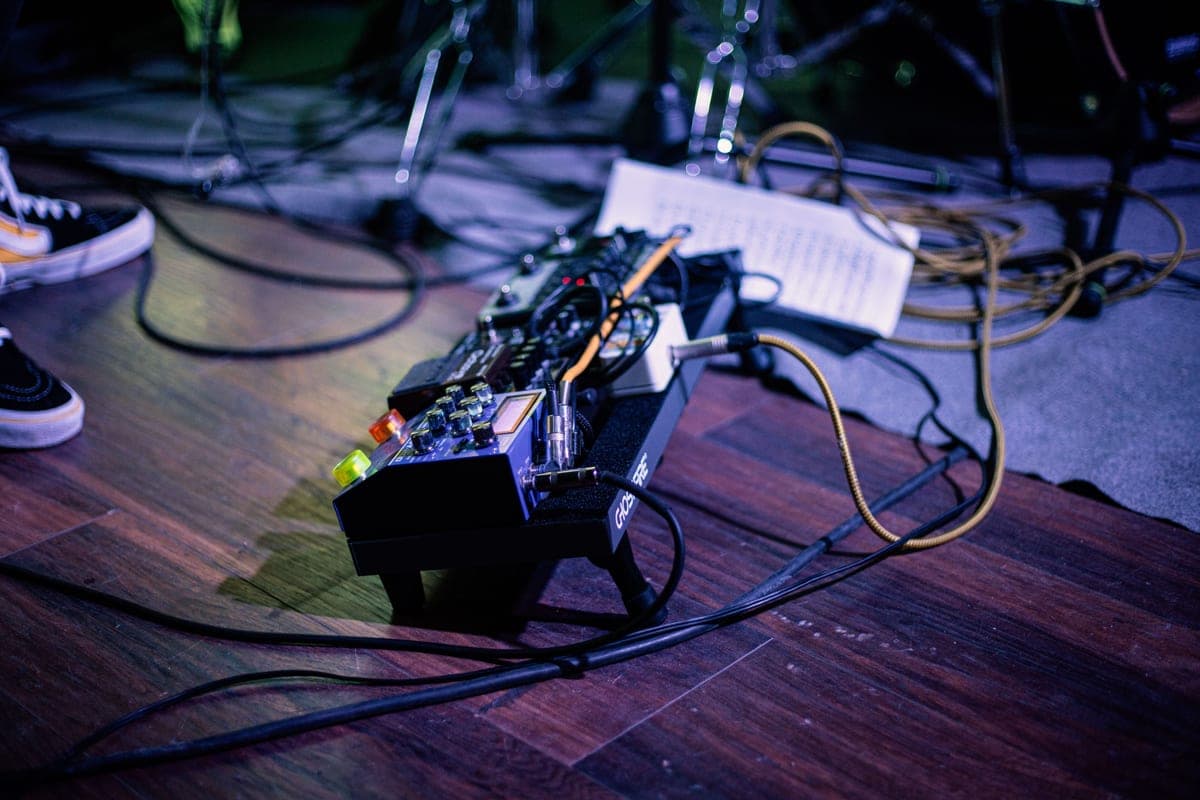
To size a power supply: add up the published current draw of every pedal, add about 30% headroom, and check that no single pedal exceeds the rating of any one output. Both halves matter. A supply with 1,500 mA total but a highest single output of 100 mA cannot run a 300 mA Strymon, no matter how much total current it has.
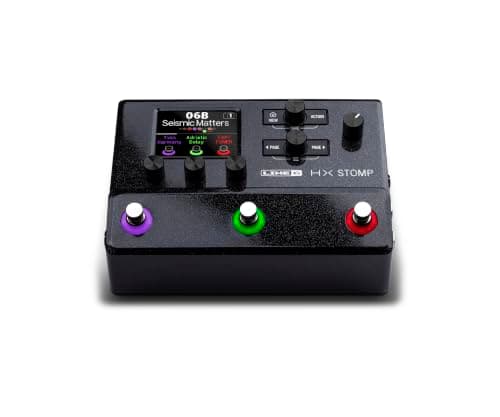
That is the calculation almost nobody publishes and it is the reason this hub exists. The power requirements guide works it through with real published figures — the BOSS DD-8's 100 mA, the RV-6's 95 mA, the Strymon Flint's 300 mA minimum, the Line 6 HX Stomp's 3 A — and shows what each one does to your total.
01Isolated or daisy chain
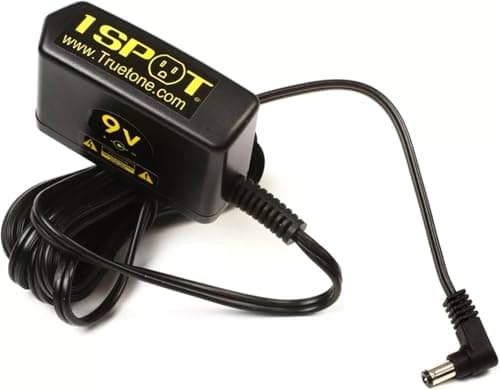
A daisy chain shares one ground across every pedal. That is fine for a few analog pedals and it is the cheapest way to power a small board — a Truetone 1 SPOT delivers 1,700 mA from one output and costs a fraction of a brick. The moment you add a digital pedal, the shared ground becomes a path for noise, and this is where hum comes from. Isolated vs daisy chain has the decision.
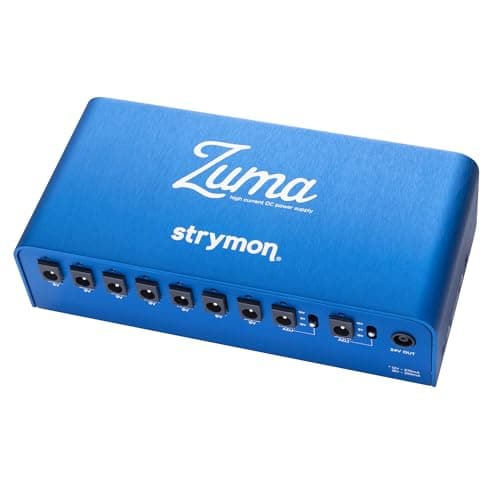
Isolated supplies give each output its own transformer winding, which breaks the loop. The three reference units differ in ways the marketing does not emphasize: a Truetone CS7 has one 100 mA output, four at 200 mA and two at 500 mA; a Voodoo Lab Pedal Power 2 PLUS tops out at 250 mA per output; a Strymon Zuma gives 500 mA on all nine. If you own one 300 mA pedal, that comparison decides itself. If your board hums and you are not sure which of those you have, the hum diagnostic sorts five different faults that all get described with the same word — and only one of them is fixed by a noise gate.
02Voltage is not a volume control
Most pedals want 9 V DC, center-negative. Some want 18 V — the MXR 10 Band EQ is the one people get wrong most often. A few tolerate either, with more headroom at 18 V. Feeding 18 V to a 9 V-only pedal can damage it; feeding 9 V to an 18 V pedal usually just makes it behave badly. Center-positive supplies exist and will not power a standard pedal at all. Check the sticker before you plug it in. 9V vs 18V pedals covers which pedals want which, which supplies deliver 18 V, and why a voltage doubler and a current doubler are different cables that look alike.
03Signal chain order
The default order — tuner, fuzz, wah, compressor, drive, modulation, delay, reverb — is not a rule, but every deviation from it should be deliberate. Two placements matter far more than the rest: fuzz wants to be first because of input impedance, and time-based effects want to be last (or in the effects loop) because distorting a delay repeat sounds like mud. Pedal order covers the reasoning and the useful exceptions.
04Boards, cables and the parts that fail
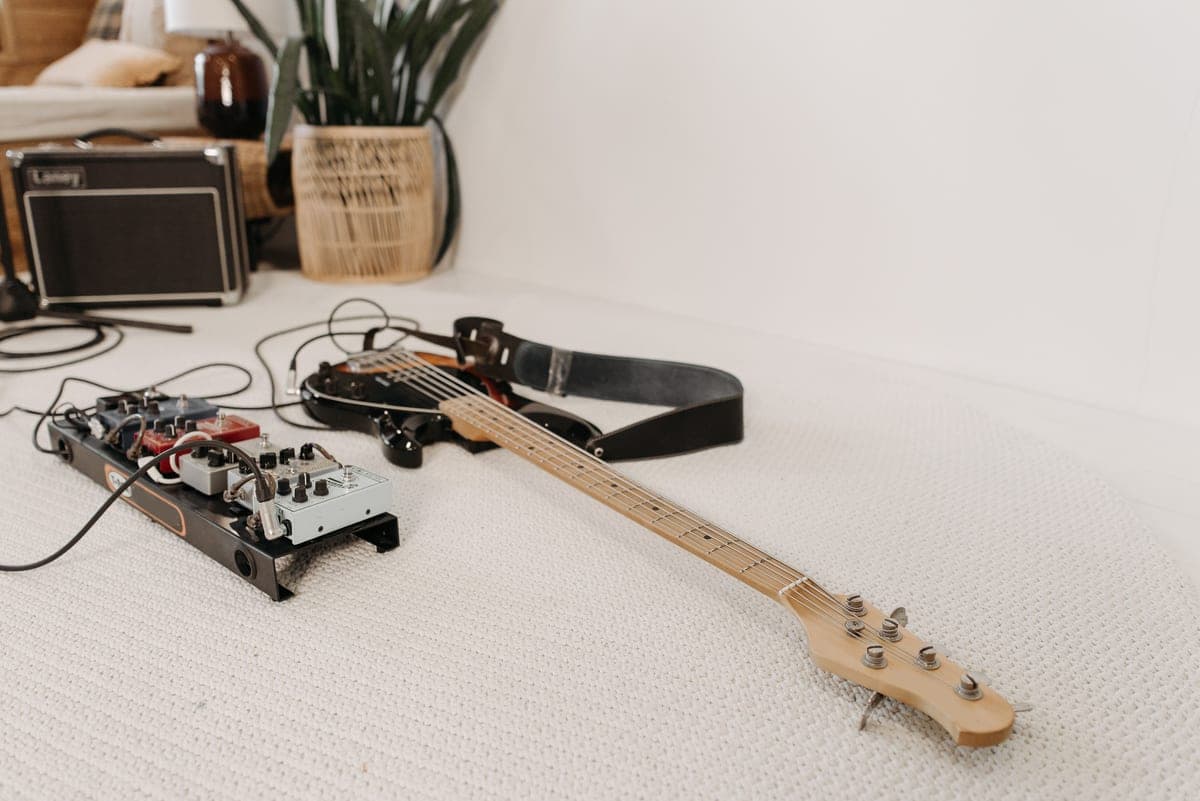
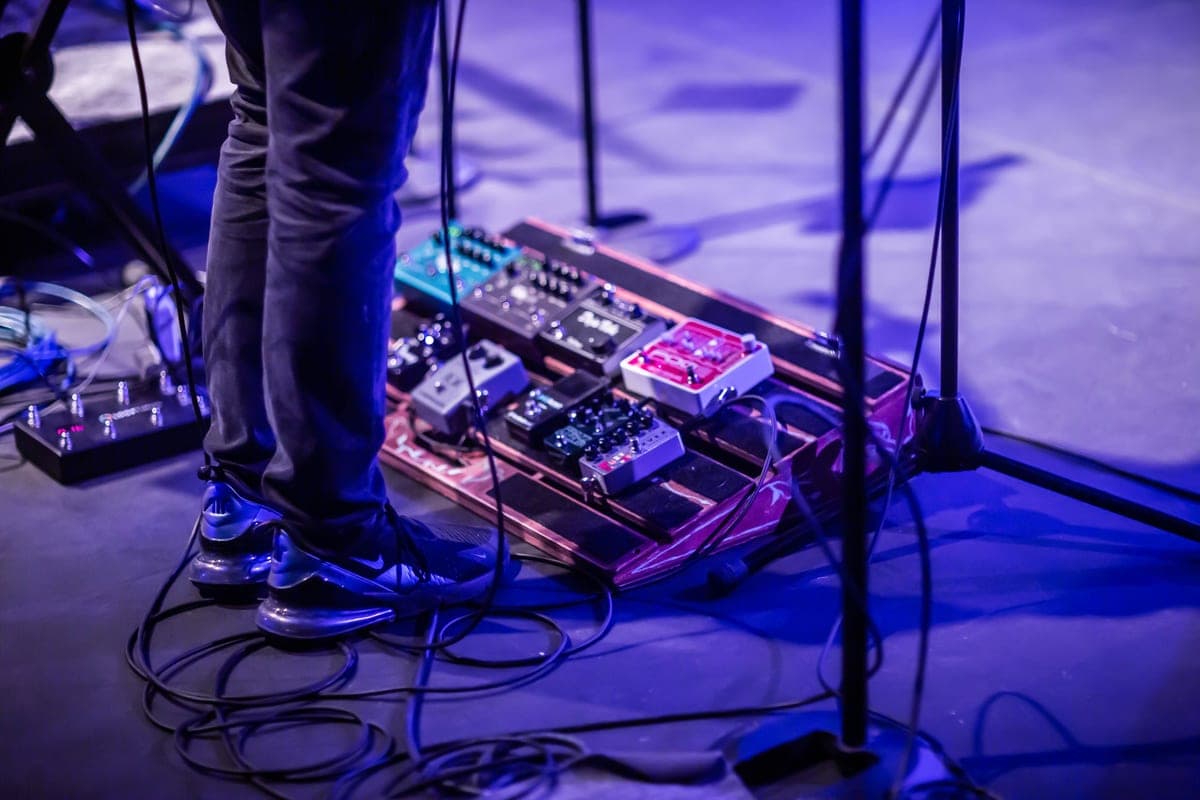
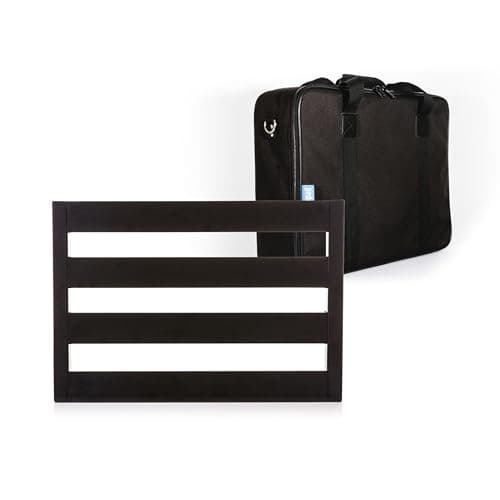
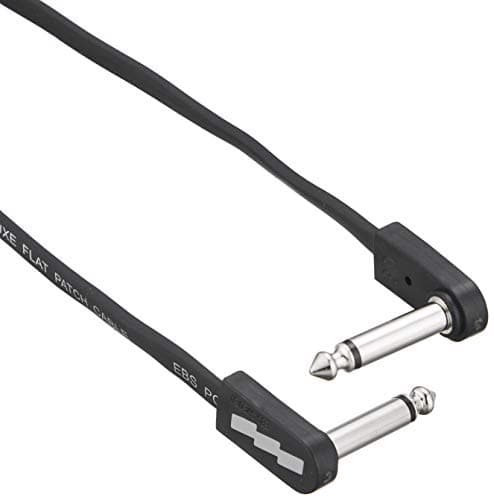
The board itself is the least consequential purchase in this hub, provided it is big enough and has room underneath for the power supply. A Pedaltrain Nano+ has essentially no under-board space; a Classic JR is designed for it. Patch cables are the opposite: they are cheap and they are the most common cause of an intermittent fault on stage, particularly solderless ones. The patch cable roundup is blunt about that.
If you are weighing a full board against a single multi-effects unit, pedals vs multi-effects is the honest version of that comparison — including the part where the HX Stomp needs 3 A and therefore its own power supply — powering an HX Stomp has that arithmetic in full, and it is the most common power mistake on modern boards. Once you have decided you want one, the multi-effects roundup compares the current units on block count, routing freedom and published current draw. The single most-bought unit in that category gets a page to itself: our HX Stomp review works through the two published numbers — six simultaneous blocks and a 3 A supply requirement — that decide whether it fits your board before any tone question arises. If the answer is a modeler, HX Stomp vs POD Go compares the two Line 6 units that sell for the same money and neither of which will run off a pedalboard brick.