Utility pedals are the ones you buy to solve a problem you can describe in a sentence: I cannot tune quietly between songs, my picking is uneven, my high-gain rig hisses, I want to play over myself. Because the problem is specific, the published spec answers the question — accuracy for a tuner, blend for a compressor, detection method for a gate, recording time for a looper.
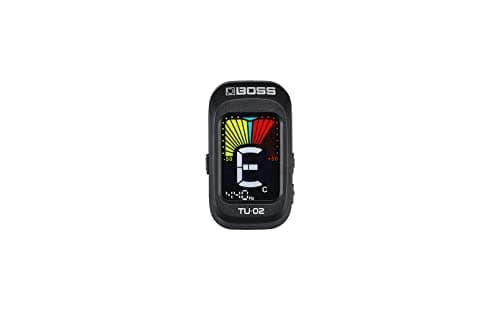
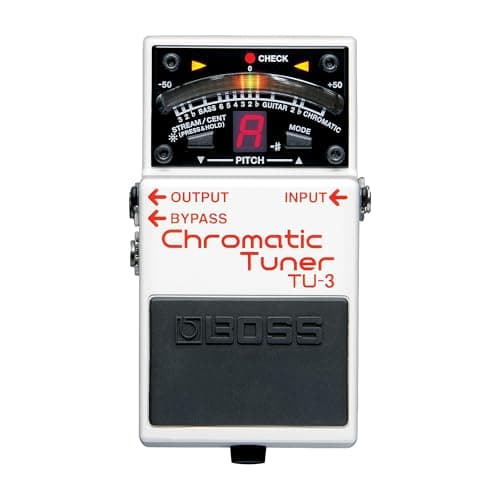
This is also the hub with the widest spread in current draw for the least obvious reason. A BOSS TU-3 draws 20 mA — or 80 mA if you turn High Brightness on. A TC Electronic PolyTune 3 draws 100 mA, five times a TU-3 in normal mode, for a tuner. If your power supply is tight, that is a real decision and nothing about the front panel tells you.
01Tuners: accuracy is the whole spec
BOSS publishes +/- 1 cent for the TU-3. TC Electronic publishes 0.5 cent in chromatic mode and +/- 0.02 cent in strobe mode for the PolyTune 3. One cent is fine on stage and not enough for setting intonation, which is where strobe accuracy earns its keep. The other real difference is bypass: the TU-3 is buffered (which many players want anyway), a Korg Pitchblack is true bypass. The tuner roundup goes through it. The two that end up on most shortlists are compared directly in TU-3 vs PolyTune 3, where the deciding figure turns out to be current draw — 20 mA against 100 mA — rather than accuracy at all. Before either of those, though, there is a cheaper question worth asking: BOSS publishes the same +/- 1 cent for its clip-on as for its pedal tuner, so pedal tuner vs clip-on works out what the extra money actually buys and when you do not need it.
02Compressors: the missing control is the story
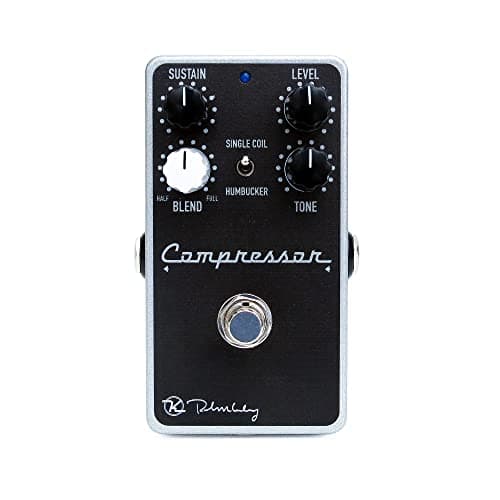
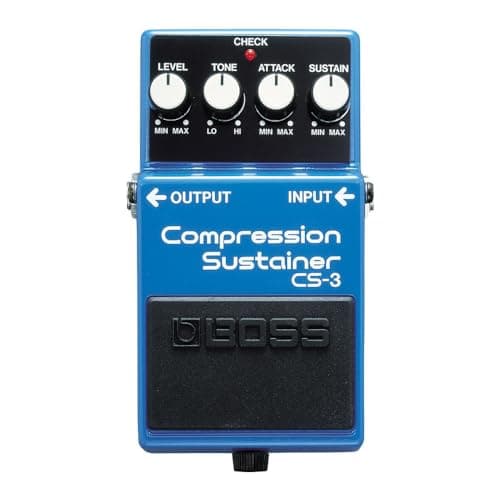
An MXR Dyna Comp has two knobs and no blend, so everything you play goes through the compressor. A Keeley Compressor Plus has a blend control, which lets the dry transient through while the compressed signal adds sustain underneath. Our Keeley Compressor Plus review covers that pedal in full, and compressor vs noise gate settles the confusion between the two pedals people buy for opposite problems. That single control is the difference between "the pedal squashes" and "the pedal is inaudible until it isn't." A BOSS CS-3 sits between them: attack and tone, but no blend. The compressor roundup compares them.
03Noise gates: the loop is the feature
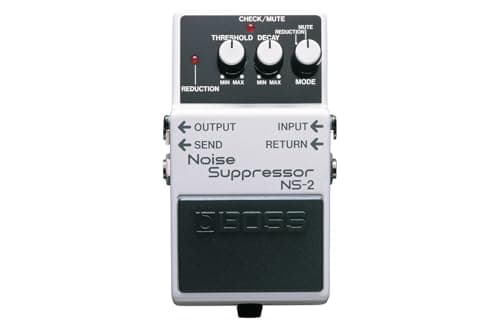
The BOSS NS-2 has Send and Return jacks, and they are the reason to buy it over a simpler gate. In the loop configuration the gate listens to your clean guitar signal to decide when you are playing, while muting the output of the noisy pedals. In the plain in/out configuration it listens to the distorted signal, which contains the noise, so it either chops your sustain or fails to close. The gate roundup has the wiring.
04Loopers: recording time is not the number that matters
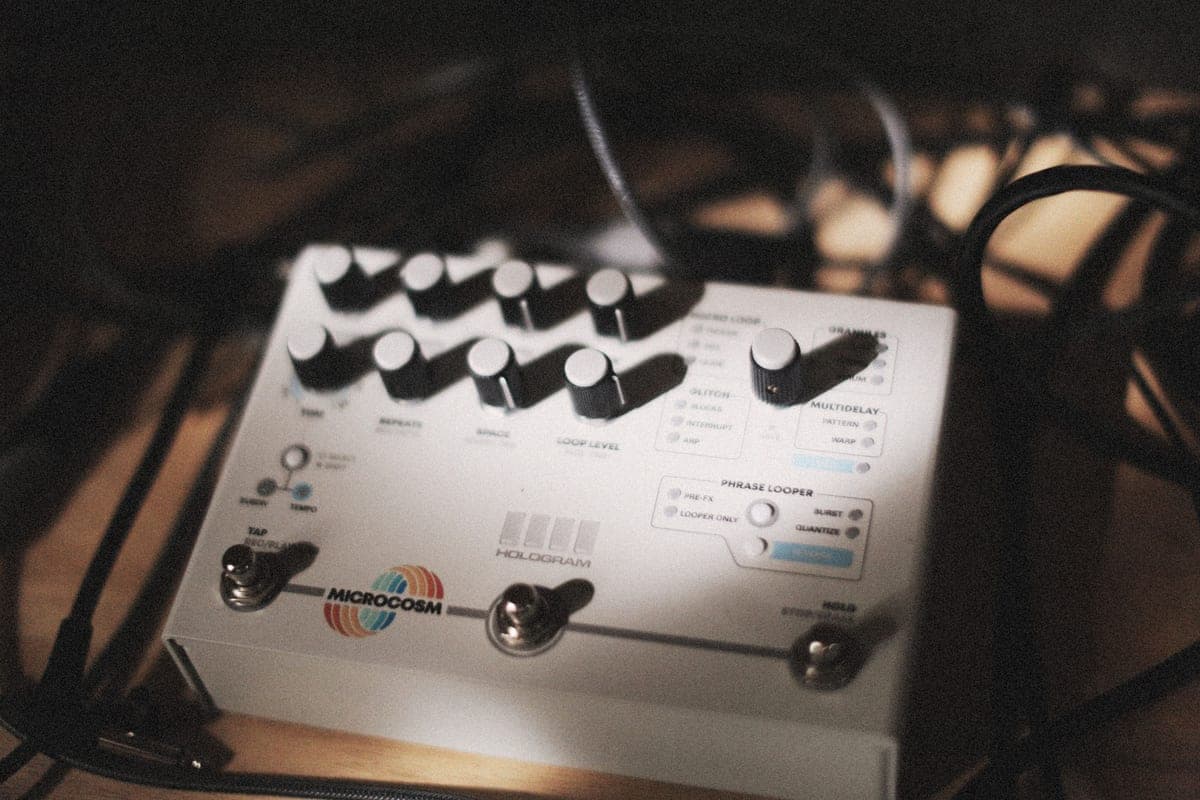
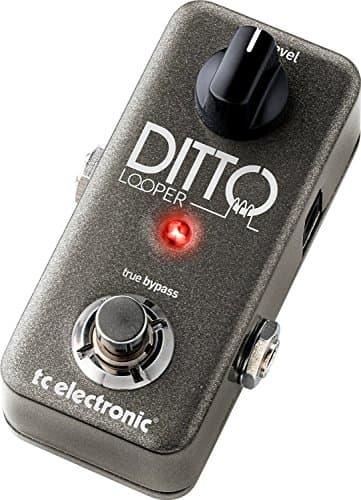
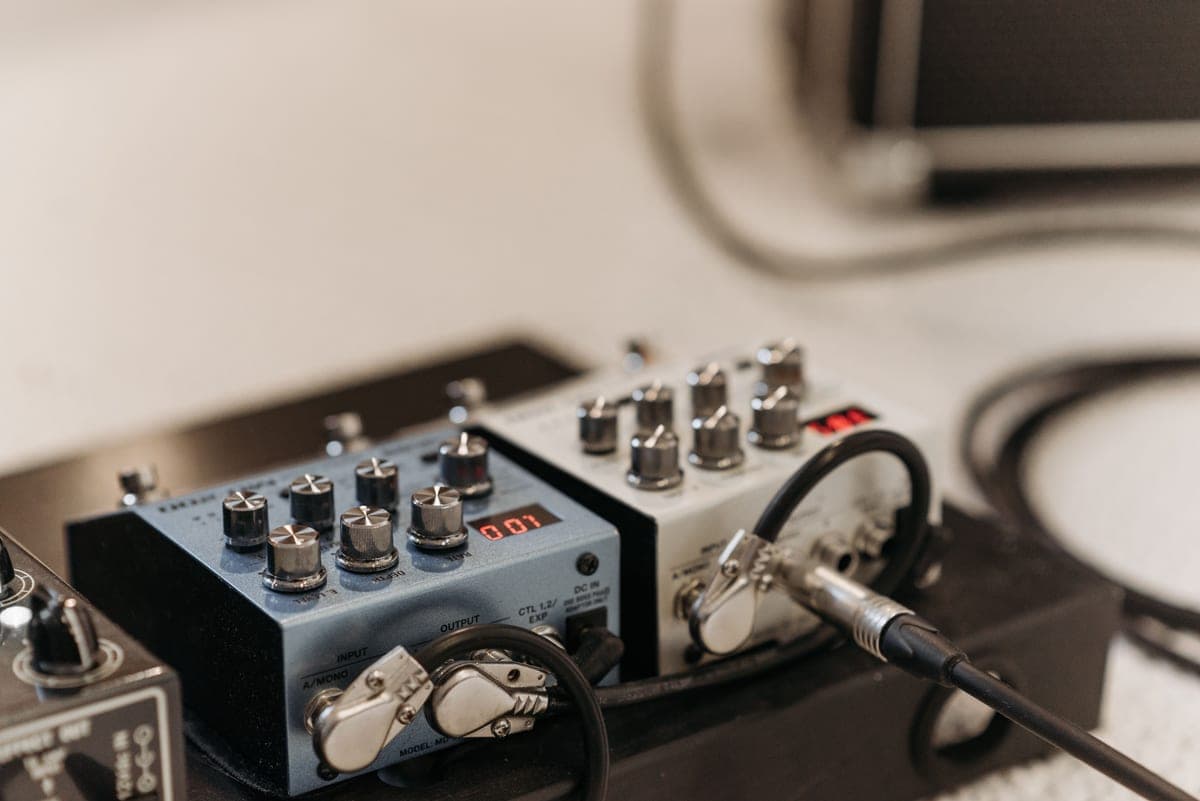
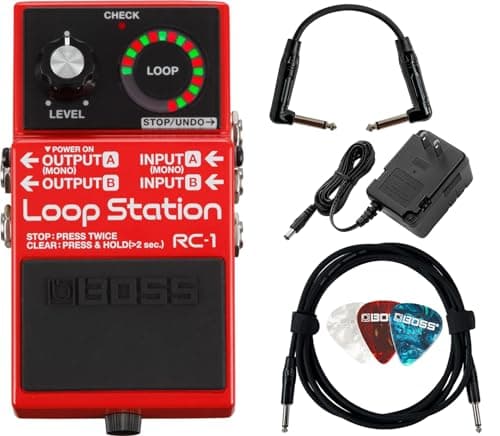
A BOSS RC-1 gives you 12 minutes and one loop slot with a single knob. A TC Ditto gives you 5 minutes and true bypass in the smallest box that works. A BOSS RC-5 gives you 99 memories, a rhythm section and a menu you will not learn during a soundcheck. Nobody has ever run out of 5 minutes. The real choice is interface complexity, not capacity. The looper roundup is organized around that. Before any of that, are looper pedals worth it? is the honest prior question, with a free test that predicts whether you will actually use one.
05EQ: the most underrated pedal in this hub
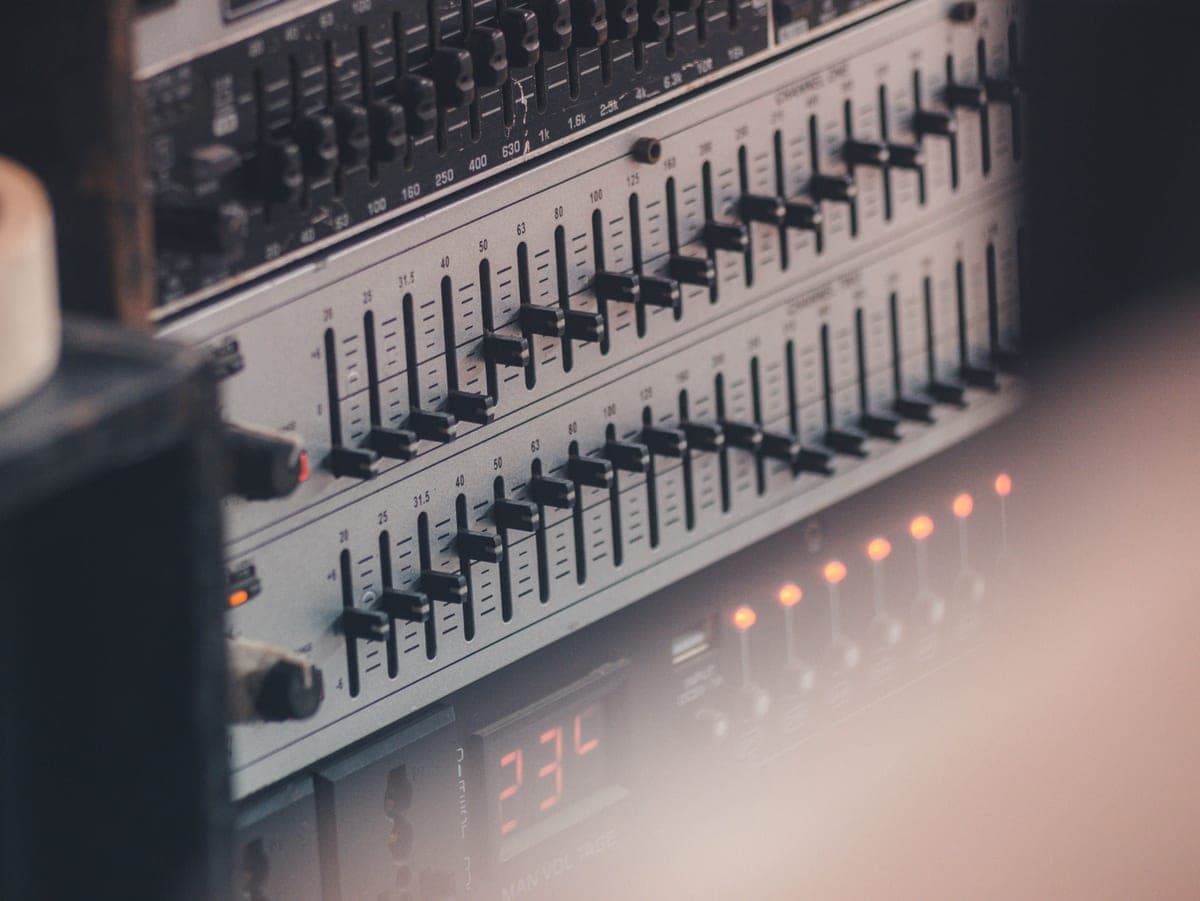
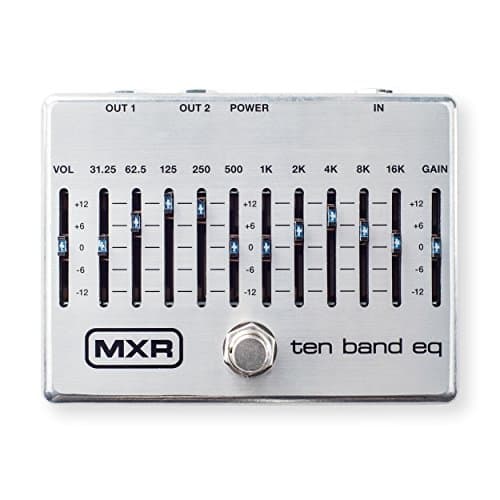
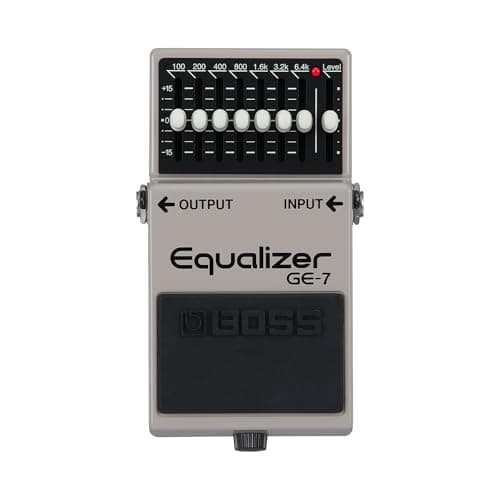
A BOSS GE-7 gives you seven bands at +/- 15 dB; an MXR 10 Band gives you ten at +/- 12 dB and runs on 18 V, not 9 V, which is the single most common power mistake made with it. An EQ in front of a drive pedal changes what the pedal clips; an EQ after it changes what you hear. Both are useful and they are not the same move. Compressor vs boost covers the related question of which pedal actually makes you louder. And if the reason you are here is that your solo vanishes the moment the band starts, that problem has its own page — it is a midrange problem rather than a volume one, and the diagnostic comes before the shopping.
06Wah: an EQ you play with your foot
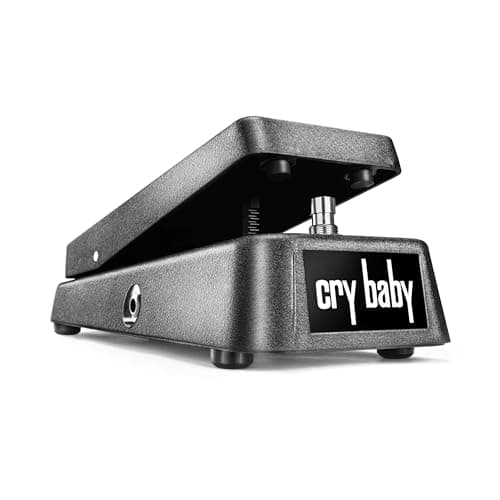
A wah is a bandpass filter with a resonant peak, swept by a treadle, which makes it the other midrange tool in this hub — and the reason a wah parked at one position works as a mid boost. The specification that decides the purchase is not the inductor everybody talks about but the bypass: a Cry Baby Standard is not true bypass and is therefore in your path when it is off, a Cry Baby Mini is, and a VOX V847-A is buffered by design. In front of a vintage-style fuzz those three behave completely differently. Best wah pedals works through it.
07Octave: the one spec that decides the purchase
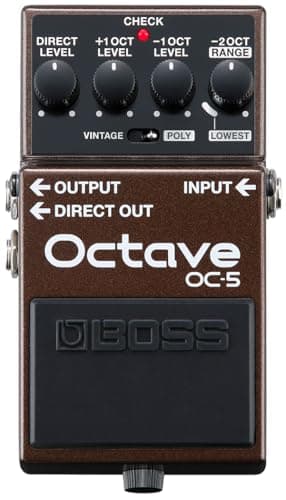
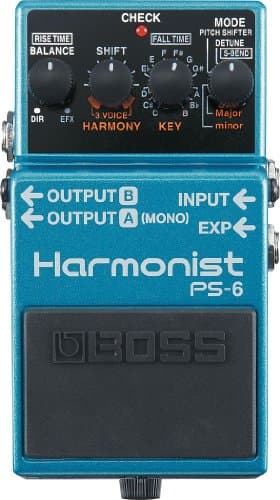
An octave pedal generates a note an octave above or below what you play, and everything about choosing one comes down to whether it tracks a chord. A monophonic circuit locks to a single fundamental — excellent on one note, a warble on two — while a polyphonic one analyzes the whole signal and survives a chord at some cost in character. BOSS puts both in the OC-5 and publishes 60 mA and a 1 M ohm input to go with them; Electro-Harmonix publishes a 2 M ohm input for the Nano POG and no current draw at all. The second control to check is a dry blend, because the octave on its own is a synthetic sound and the clean signal is what makes it musical. Best octave pedals works through it. Four of these categories now have a head-to-head as well as a roundup: ISP Decimator X vs BOSS NS-2 for gates, MXR Dyna Comp vs BOSS CS-3 for compressors, BOSS RC-5 vs RC-1 for loopers, and our BOSS GE-7 review for the graphic EQ that has been on boards for forty years.