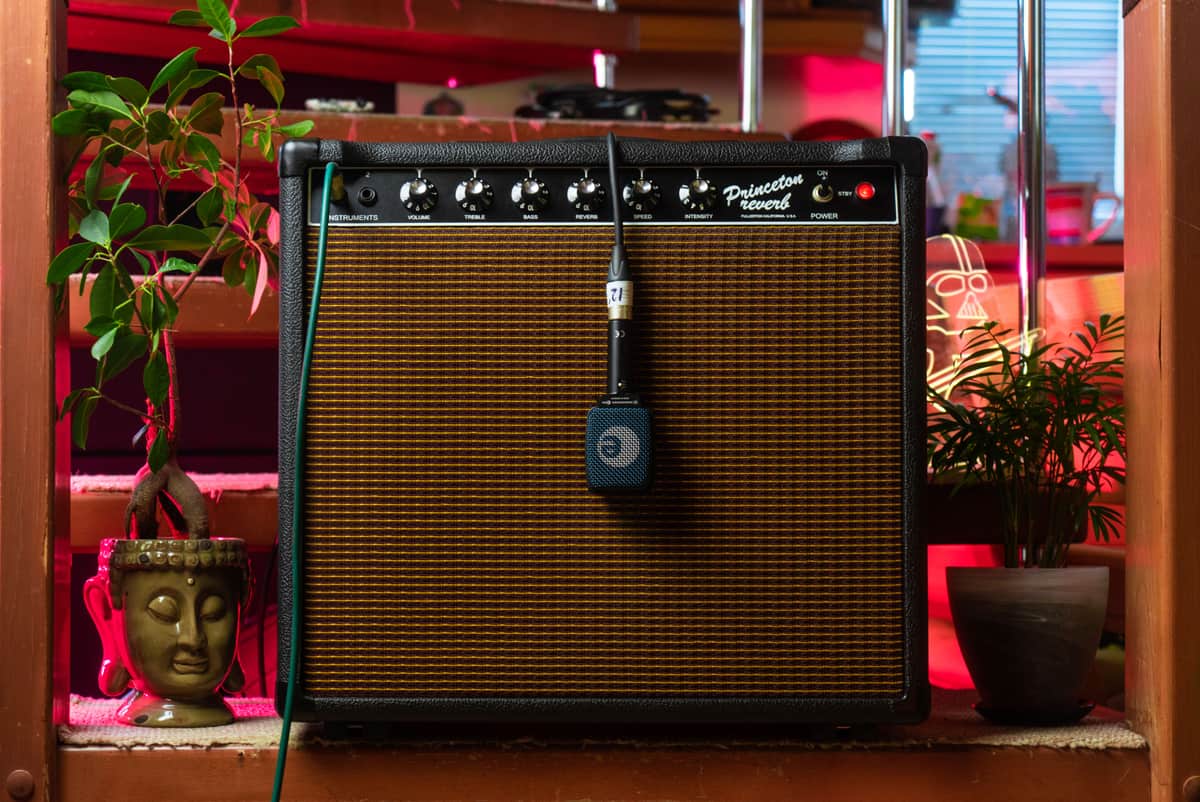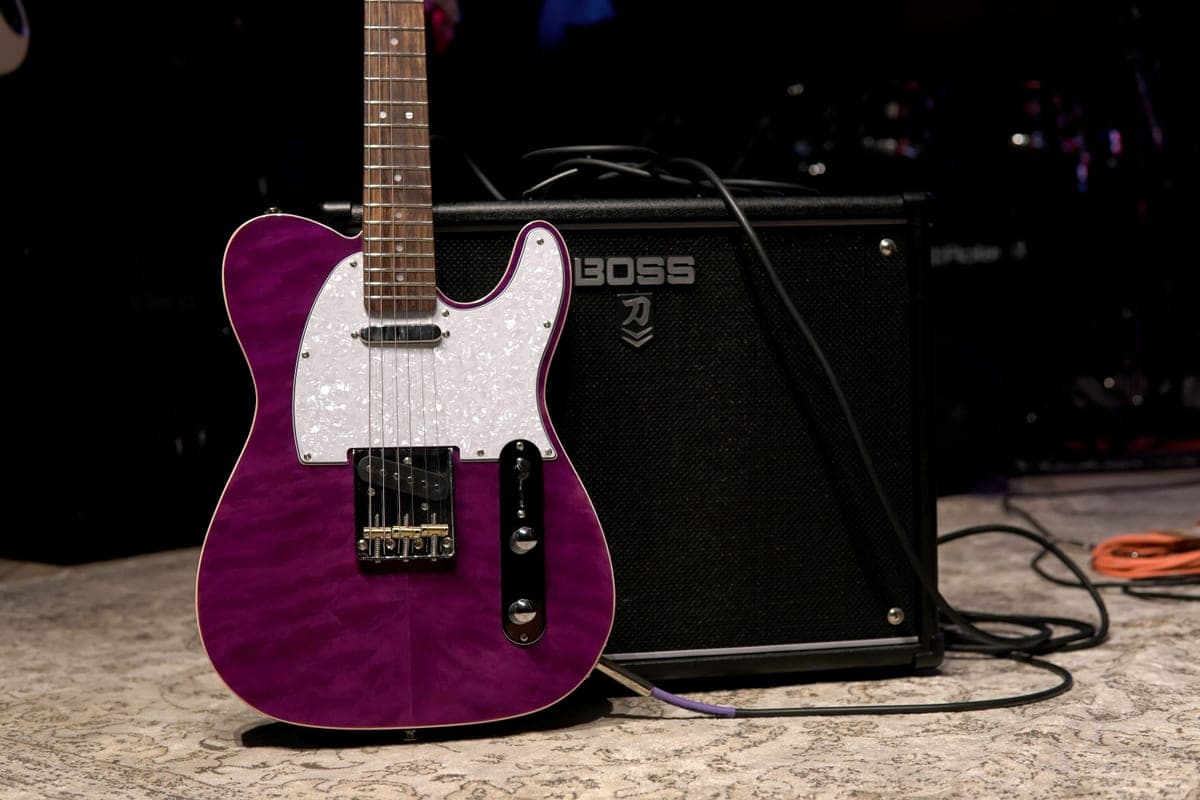
Doubling an amp's wattage buys you about 3 dB. Halving it costs you the same. That is why a 100 W amp is not twice as loud as a 50 W one, why a 5 W valve amp is still too loud for a flat, and why "get a lower-wattage amp for home" solves less than people expect. The volume you can actually use is set by the speaker, the power section design and whether there is a master volume — not by the number on the front.
That single piece of arithmetic reframes most amp shopping. It is why attenuator vs master volume is one of the more useful pages on this site, and why the practice-amp roundup is not simply the low-wattage roundup.
01Tube or solid state is the wrong first question
The useful first question is: do you want the amp to make the distortion, or the pedals? If the pedals, you want a clean platform with headroom — which a good solid-state amp does very well and much more cheaply. If the amp, then you want a valve power section you can push, and now the wattage and the master volume matter enormously. Tube vs solid state takes the comparison apart properly, and pedal platform amps is the roundup for the first case.
02What the spec sheet tells you
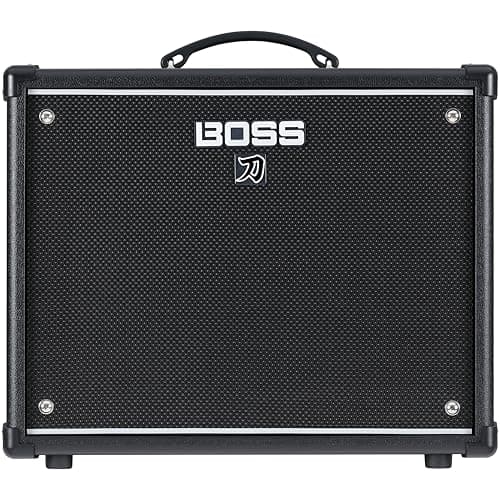
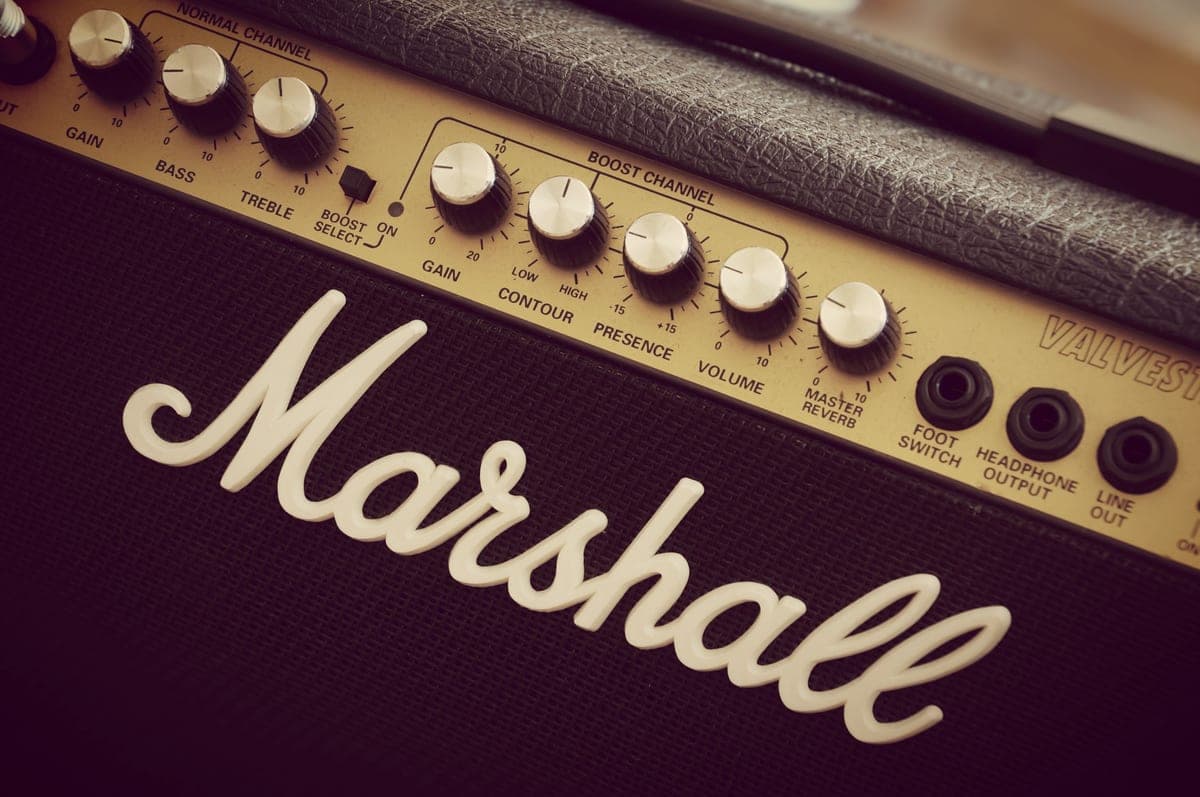
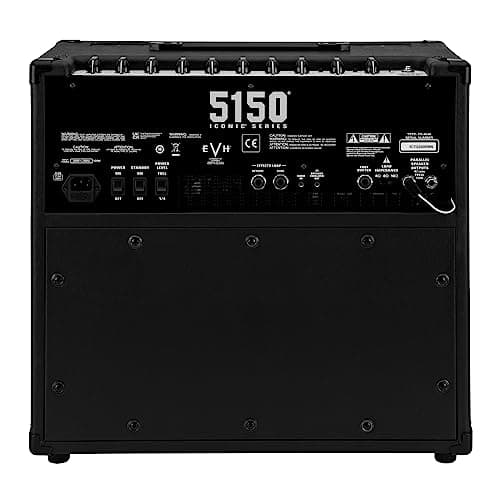
Speaker size and model changes more than most amp shoppers expect — a Fender Blues Junior IV's 12-inch Celestion A-Type and a Vox AC10C1's 10-inch VX10 are different instruments before you touch a knob. Tube complement tells you the flavor: EL84s (Vox, Blues Junior) break up earlier and brighter; EL34s (Marshall DSL20CR) are the British mid-forward sound; 6L6s are the American clean headroom. Power reduction — the DSL20CR's half-power switch, the EVH Iconic's quarter-power switch, the BOSS Katana's Power Control — tells you how much of the amp you can use at home.
03Attenuators: what they can and cannot do
An attenuator sits between the amp's output and the speaker and burns off power as heat, so the power section stays cranked while the speaker gets less. It works, and it does not sound identical, for a physical reason: a speaker's response changes with level, and a purely resistive load does not behave like a speaker at all. A reactive load box like the Two Notes Captor X is a better answer for exactly that reason — and its attenuation is stepped at 0, -20 and -38 dB, not continuous. The attenuator roundup covers the options honestly.
04Combo or head and cab
A combo is one box, lighter, and the speaker is chosen by the manufacturer to suit the amp. A head and cab is heavier, more expensive and more flexible, and it lets you change the single component that affects the sound most. For almost everybody who is not already gigging regularly, a combo is the right answer. Combo vs head and cab has the cases where it is not.
05Where to start in this hub
Best guitar amps is the general shortlist. Practice amps if the amp is going in a bedroom. Tube amps under $1,000 if you have decided on valves. Amps for metal if you need high gain with a tight low end. And if you are not sure whether the amp is even the right purchase, pedal or amp? is the page that question deserves.
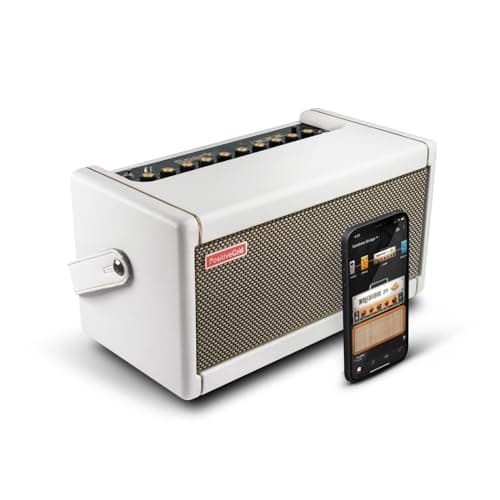
Two pages here answer the questions that come before the shortlist. Amp wattage and volume is the decibel arithmetic behind the most expensive misunderstanding in guitar amplification — halving the watts costs about 3 dB, and a perceived halving of loudness takes roughly a tenth of the power. Practice amp vs audio interface covers the other question people ask before buying anything: whether they want sound in the room at all. The best-selling amp in that bracket gets a page of its own — our Spark 40 review covers the 33 models and the USB interface, and the two 4-inch drivers that set the ceiling on all of it. Our Katana-50 Gen 3 review does the same for the amp that wins most shortlists on capability per dollar, including the two jacks it does not have. And if the amp has to leave the house, best gigging amps judges the shortlist on the four things a stage actually asks for — clean headroom, an effects loop, a way out to the PA, and a weight you will still accept at 1 a.m.