BOSS RC-5 vs RC-1 Loop Station
The two loopers almost everyone chooses between, and the gap between them is much wider than the price suggests.
Fret & Fuzz earns a commission when you buy through the links on this page. It costs you nothing and it does not decide what we rank. How we’re funded.
We have not played this gear. Every pick below is chosen from published manufacturer specifications and the arithmetic set out in how we research, which you can re-run yourself.

Buy the RC-1 if you want a looper for practice and songwriting and you value not having to think about it — one knob, 12 minutes, and it keeps your last loop. Buy the RC-5 if you need to save arrangements, practice to a drum pattern, or move loops on and off a computer; it gives you 99 memories, a rhythm section and USB. The deciding practical figure is current draw: 95 mA against 170 mA, and the RC-5's two-hour battery life means mains power in practice.
These two get compared as if they were the same pedal at two prices. They are not. One is a single-purpose device with one control; the other is a small recorder with a menu system, and choosing between them is mostly a question of whether you will use the menu.
01What BOSS publishes
| BOSS RC-1 | BOSS RC-5 | |
|---|---|---|
| Recording time | Approx. 12 minutes, stereo | Approx. 1.5 h per track, 13 h across all memories |
| Memories | None — one loop slot | 99 phrase memories |
| Tracks | One, with undo and redo | One |
| Rhythm | None | 57 patterns x 2 variations, 7 drum kits |
| Display | LED ring around the switch | 96 x 32 graphic LCD, RGB backlit |
| Audio format | Not published in the same form | WAV, 44.1 kHz, 32-bit float; 32-bit AD/DA |
| Connectivity | Not published | USB B, MIDI, Stop/Memory TRS jack |
| Current draw | 95 mA | 170 mA |
| Battery life | Not published | Approx. 2 hours, alkaline |
| Weight | 430 g | 450 g including battery |
| Retains loop on power-down | Yes, the most recent loop | Yes, across 99 memories |
Every figure is BOSS's own published specification. Where a row says not published, that is what the manufacturer states.
Which looper
| # | Product | Best for | Price |
|---|---|---|---|
| 01 | 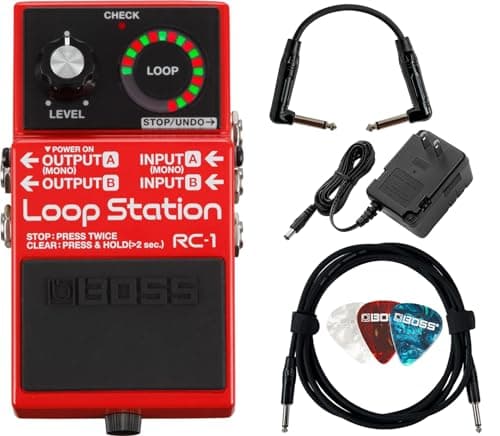 BOSS RC-1 Loop Station One knob, one pedal, one loop — and it remembers the last thing you played after you unplug it. | Practicing, and anyone who will never read a manual | $129.99 · Check price #ad How we’re funded · price as of October 17, 2026 |
| 02 | 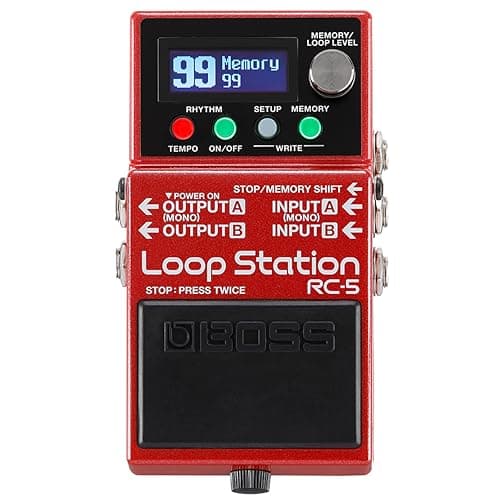 BOSS RC-5 Loop Station 99 memories, a rhythm section with 57 patterns, a color screen and USB — at nearly double the current draw. | Building and keeping arrangements, and practicing to a drum track |
Rows link to the full write-up further down this page. Prices come from the live price layer only — where there is no live figure the button reads “Check price” rather than showing a remembered number.
03The 170 mA problem
This is the specification most RC-5 buyers discover after the pedal arrives, and it is worth confronting before you order.
170 mA is more than most isolated supply outputs provide. A typical brick gives you a row of 100 mA outputs and one or two higher-current ones, so the RC-5 will claim a high-current output that you may have been saving for a digital delay or a multi-effects unit. The RC-1 at 95 mA fits a standard output but only just, and it is already more than three analog compacts combined.
The battery figure closes the argument. BOSS publishes roughly two hours of alkaline life for the RC-5, which is not a gig. Treat both as mains-powered pedals and budget the supply accordingly — pedalboard power requirements explained has the method, and best pedalboard power supplies compares bricks on published per-output current rather than total.
BOSS RC-1 Loop Station
Practicing, and anyone who will never read a manual
The numberApprox. 12 minutes stereo, 95 mA, 430 g. All published by BOSS.
The RC-1's specification is short because the pedal is. BOSS publishes approximately 12 minutes of stereo recording, a single track with undo and redo, and an interface consisting of a Level knob and the pedal switch. That is the whole thing. There is no screen, no menu and nothing to set up, which is precisely why it is the better buy for a large number of people.
Two details lift it above a toy. It keeps the most recent loop after power-down, so the idea you were working on last night is still there in the morning. And the circular LED indicator around the switch shows where you are in the loop, which makes catching the downbeat on an overdub far easier than a single blinking light — a small thing that turns out to matter every time you use it.
The cons are the obvious ones and one that is not. One loop slot, no saved memories, no rhythm track, no USB. The non-obvious one is the 95 mA draw, which is high for a pedal this simple — more than three BOSS compacts put together — so it is not the free board addition its size suggests.
| Recording time | Approximately 12 minutes, stereo |
|---|---|
| Tracks | Single track with undo and redo |
| Controls | Level knob and the pedal switch — that is the entire interface |
| Current draw | 95 mA |
| Memory | Keeps the most recent loop after power-down |
| Weight | 430 g |
| What it does not do | One loop slot, no saved memories, no rhythm track and no USB. The circular LED indicator is your only visual feedback about where you are in the loop. |
Specs from BOSS RC-1 specifications. We have not used this unit.
#ad How we’re funded · price as of October 17, 2026
BOSS RC-5 Loop Station
Building and keeping arrangements, and practicing to a drum track
The number1.5 h per track, 13 h total, 99 memories, 170 mA, 32-bit float WAV, 450 g.
The RC-5 is a different class of machine in the same footprint. BOSS publishes 99 phrase memories, approximately 1.5 hours of recording per track and 13 hours across all memories, and a rhythm section of 57 patterns with two variations each across seven drum kits. Audio is 32-bit floating point at 44.1 kHz, stored as WAV, with 32-bit AD/DA conversion.
The connectivity is what makes it a studio tool rather than a practice aid: stereo in and out on A/Mono and B jacks, a USB B port for importing and exporting loops, a MIDI connection on a stereo miniature jack, and a Stop/Memory TRS jack for an external footswitch. The 96 x 32 graphic LCD with an RGB backlight is what makes 99 memories navigable at all.
The cons are power, battery and depth. It draws 170 mA — nearly double the RC-1 and one of the hungriest pedals you can put on a board — and BOSS publishes battery life at approximately 2 hours on alkaline, which effectively means it is a mains-powered pedal. It still has only one footswitch, so switching between memories mid-song needs an external switch you buy separately. And the menu depth is real: this is not a pedal you learn during a soundcheck.
| Memories | 99 phrase memories |
|---|---|
| Recording time | BOSS states approximately 13 hours of total recording time |
| Rhythm | Built-in rhythm patterns with an assignable output |
| Display | Backlit LCD |
| Connectivity | USB for importing and exporting loops |
| What it does not do | One footswitch means multi-loop switching needs an external footswitch you buy separately. The menu depth is real — this is not a pedal you learn in a soundcheck. |
Specs from BOSS RC-5 product page. We have not used this unit.
04What 99 memories actually changes
The honest answer is: nothing at all, unless you play parts that repeat across sessions.
For a practice looper the memory count is irrelevant — you record a progression, solo over it, and throw it away. The RC-1 does that perfectly and the RC-5 does it with more button presses. Memories start earning their keep when you build an arrangement you want back next week, or when you perform a set where each song needs its own backing loop ready to go.
There is a catch on that second use. The RC-5 has one footswitch, so moving between saved memories during a set means either bending down to the panel or buying an external footswitch. A looper-driven live set is genuinely a two-switch job, and the RC-5 alone is not quite it. Are looper pedals worth it? covers the gap between what people imagine they will do with a looper and what they use it for.
05The rhythm section is the underrated feature
If you are choosing between these for practice rather than performance, the drum patterns are a stronger argument than the memories.
Looping without a click has a well-known failure mode: you record a loop that is very slightly the wrong length, then spend an hour playing along with your own drift and calling it your timing. Recording against one of the RC-5's 57 patterns anchors the loop to a tempo, which makes the loop useful and your practice honest. That is a real benefit the RC-1 cannot offer, and it costs nothing extra once you own the pedal.
06Where a looper goes in the chain
Last, or in the effects loop — after the effects you want recorded into the loop, and before anything you want to play over the top with. Put a looper before your delay and reverb and every repeat gets baked into the recording; put it after and your loop is dry while your live playing stays wet.
Neither is wrong, and the choice is a musical one rather than a technical rule. What is usually wrong is putting a looper in front of a distortion pedal, because the loop then gets re-distorted along with what you play over it and the whole thing turns to mush. Pedal order covers the reasoning, and best looper pedals compares the wider category.
Frequently asked questions
+ Is the BOSS RC-5 worth the extra over the RC-1?
+ How much current does the BOSS RC-5 draw?
+ Does the RC-1 save your loop when you turn it off?
+ Can you switch between saved loops live on an RC-5?
Sources
Related on Fret & Fuzz
Best looper pedals
Nobody runs out of five minutes. What decides a looper is how much you have to think to use it while playing.
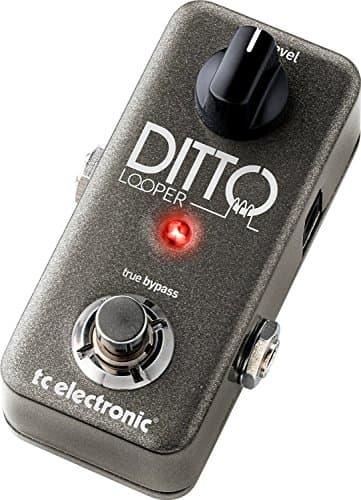
Best Looper pick: TC Electronic Ditto Looper
#ad How we’re funded · price as of October 17, 2026

Are looper pedals worth it?
The pedal most often bought for practice and used twice. A free test that predicts whether you are the exception.
Top pick: TC Electronic Ditto Looper
#ad How we’re funded · price as of October 17, 2026
Pedalboard power requirements explained
Two sums decide your power supply, and almost everyone only does the first. A worked example with real published figures.
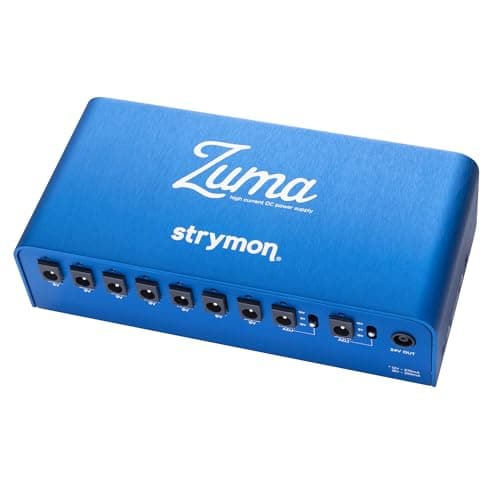
Top pick: Strymon Zuma
#ad How we’re funded · price as of October 17, 2026
Pedal order: what changes and what does not
Two placements are load-bearing and the rest are preference. Which is which, and the impedance figures behind the first one.
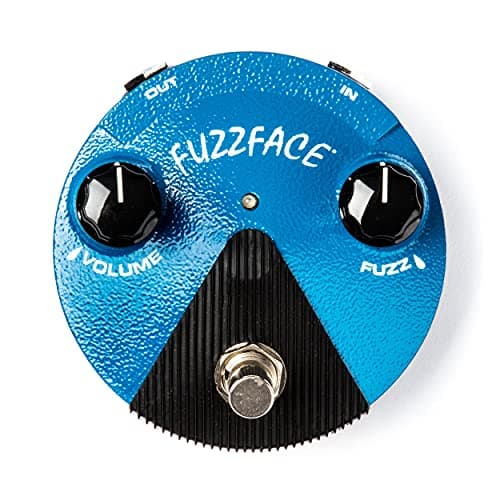
Top pick: Dunlop Fuzz Face Mini Silicon
#ad How we’re funded · price as of October 17, 2026