Are looper pedals worth it?
The pedal with the widest gap between how useful it sounds and how often it actually gets switched on.
Fret & Fuzz earns a commission when you buy through the links on this page. It costs you nothing and it does not decide what we rank. How we’re funded.
We have not played this gear. Every pick below is chosen from published manufacturer specifications and the arithmetic set out in how we research, which you can re-run yourself.

For most players, honestly, no — not yet. A looper is the pedal with the widest gap between how useful it seems in a demo and how often it actually gets used, because using one well is a skill you have to practice rather than a sound you switch on. If you want one for practicing over chord changes, a five-minute single-track looper is enough and anything more is speculative. If you are a solo performer building parts live, it is not optional and you want saved memories.
This page exists because the looper is the most common pedal on the second-hand market for a reason, and the reason is not that they are bad products.
01The test, before you spend anything
You already own a device that records audio and plays it back in a loop: your phone. Record eight bars of a chord progression on it, play it back, and solo over it for twenty minutes.
That is not the same experience as a looper — the timing is worse and you cannot overdub — but it tests the thing that actually predicts whether you will use one. If you do that three or four times across a fortnight and find it genuinely useful, buy a looper; it will be dramatically better at the same job. If the phone recording sits there unused after the first attempt, a £100 pedal will sit unused too, and you have learned that for nothing.
If the answer is yes, buy one of these
| # | Product | Best for | Price |
|---|---|---|---|
| 01 | 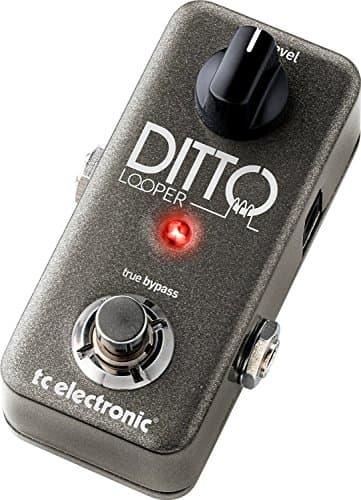 TC Electronic Ditto Looper One knob, one footswitch, five minutes and true bypass — the cheapest honest test of the question. | Finding out whether you will use one at all | $83.90 · Check price #ad How we’re funded · price as of October 17, 2026 |
| 02 | 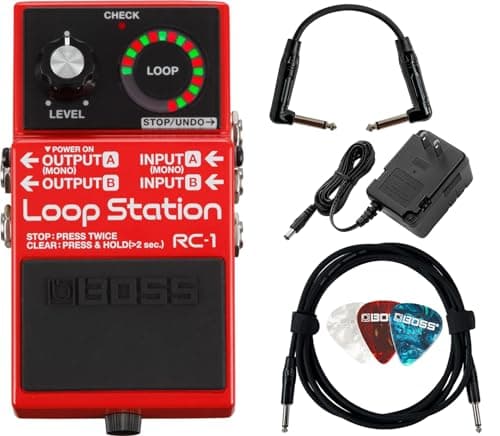 BOSS RC-1 Loop Station Twelve minutes, undo and redo, and an indicator ring that shows where you are in the loop. | A visible loop position and a longer runway | $129.99 · Check price #ad How we’re funded · price as of October 17, 2026 |
| 03 | 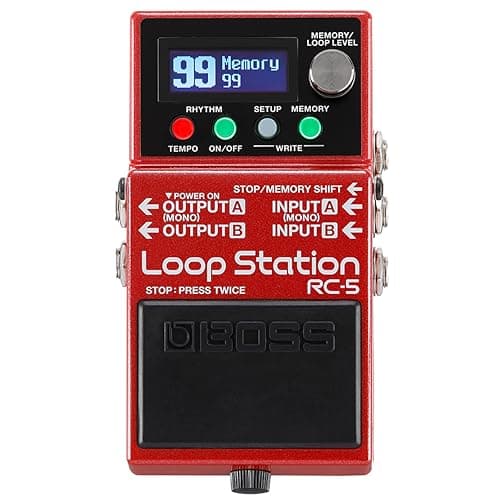 BOSS RC-5 Loop Station 99 memories, a rhythm section and a display — and a menu you will not learn during a soundcheck. | Someone who already knows they loop |
Rows link to the full write-up further down this page. Prices come from the live price layer only — where there is no live figure the button reads “Check price” rather than showing a remembered number.
03Where a looper genuinely earns its slot
- Solo performance. Building a part live in front of people is the use case loopers were designed for, and nothing else does it. Here it is essential rather than optional.
- Practicing improvisation over changes. A loop that does not get bored is a better rhythm section than none, and this is the most common legitimate use.
- Working out arrangements. Record the rhythm part, play the lead over it, and hear whether the two actually fit before a rehearsal.
- Ear training and intonation. Loop a drone and play scales against it; tuning problems become obvious in a way they never are alone.
- Songwriting. Capture an idea as a loop rather than losing it between one session and the next.
04Recording time is not the number that matters
Loopers are marketed on recording time, and it is close to irrelevant. The Ditto publishes five minutes; the RC-1 publishes about twelve; the RC-5 publishes roughly thirteen hours across 99 memories. Nobody has ever run out of five minutes on a single practice loop.
What actually separates them is interface complexity and whether anything is saved. One switch is easy to use and hard to use precisely. A display tells you where you are in the loop. Memories mean your work survives being switched off. Those three things decide which looper suits you, and none of them is a recording-time figure. Best looper pedals is organized around exactly that.
05The power cost people forget
A looper is a digital pedal and it draws like one. BOSS publishes 95 mA for the RC-1, which is in the same class as a digital delay or reverb — for a pedal that may spend most of its life switched off.
On a board that is already near its supply limit, adding a looper can be the purchase that forces a new power supply, which is a hidden cost worth adding to the price before you decide. Power requirements explained has the arithmetic.
06If the answer is no
Spend the money on something that improves every session rather than some of them. A tuner does that. A compressor does it for anyone playing clean. A better power supply removes a class of problem permanently. Your first pedalboard sets out that order, and a looper is deliberately not near the top of it. If the answer is yes, BOSS RC-5 vs RC-1 is the next decision and it is mostly about whether you will ever use the memories.
And if you are unsure in six months, the answer is the same and the test is still free. There is no urgency here that the marketing has not manufactured.
Frequently asked questions
+ Are looper pedals worth it for practice?
+ How much recording time do I need in a looper?
+ Do looper pedals use a lot of power?
+ Which looper should I buy first?
Sources
Related on Fret & Fuzz
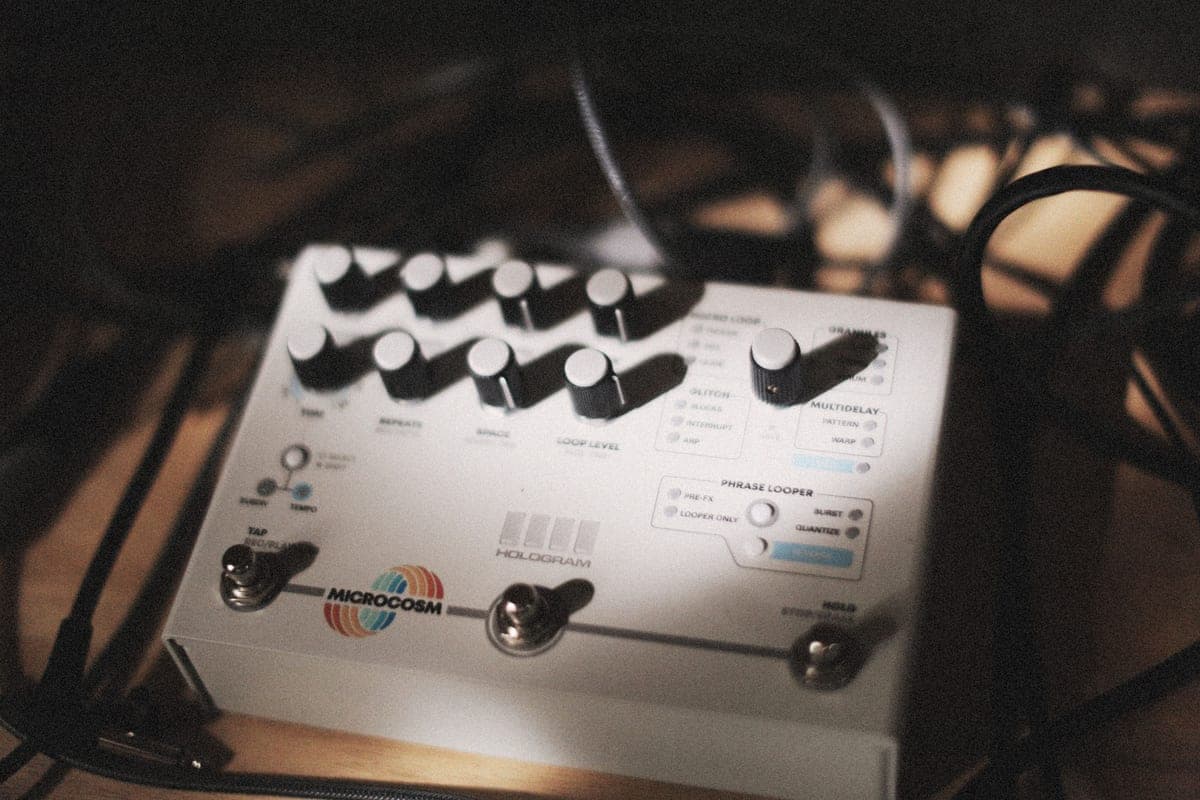
Best looper pedals
Nobody runs out of five minutes. What decides a looper is how much you have to think to use it while playing.
Best Looper pick: TC Electronic Ditto Looper
#ad How we’re funded · price as of October 17, 2026

BOSS RC-5 vs RC-1 Loop Station
One knob at 95 mA against 99 memories, a drum section and 170 mA. The draw decides more boards than the features.
Top pick: BOSS RC-1 Loop Station
#ad How we’re funded · price as of October 17, 2026
Your first pedalboard
Four pedals, a supply and a board, in the order that makes each one useful — and what to leave until later.
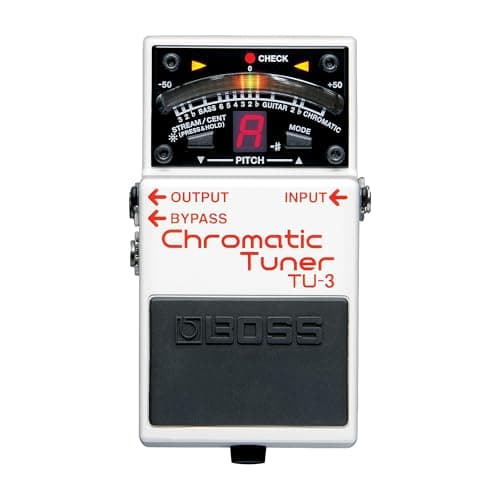
Best First Board pick: BOSS TU-3 Chromatic Tuner
Pedalboard power requirements explained
Two sums decide your power supply, and almost everyone only does the first. A worked example with real published figures.
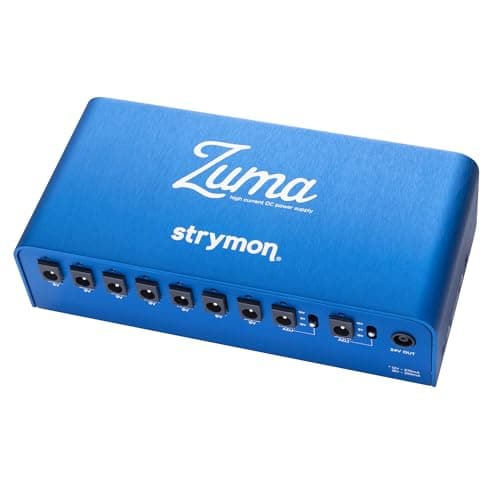
Top pick: Strymon Zuma
#ad How we’re funded · price as of October 17, 2026
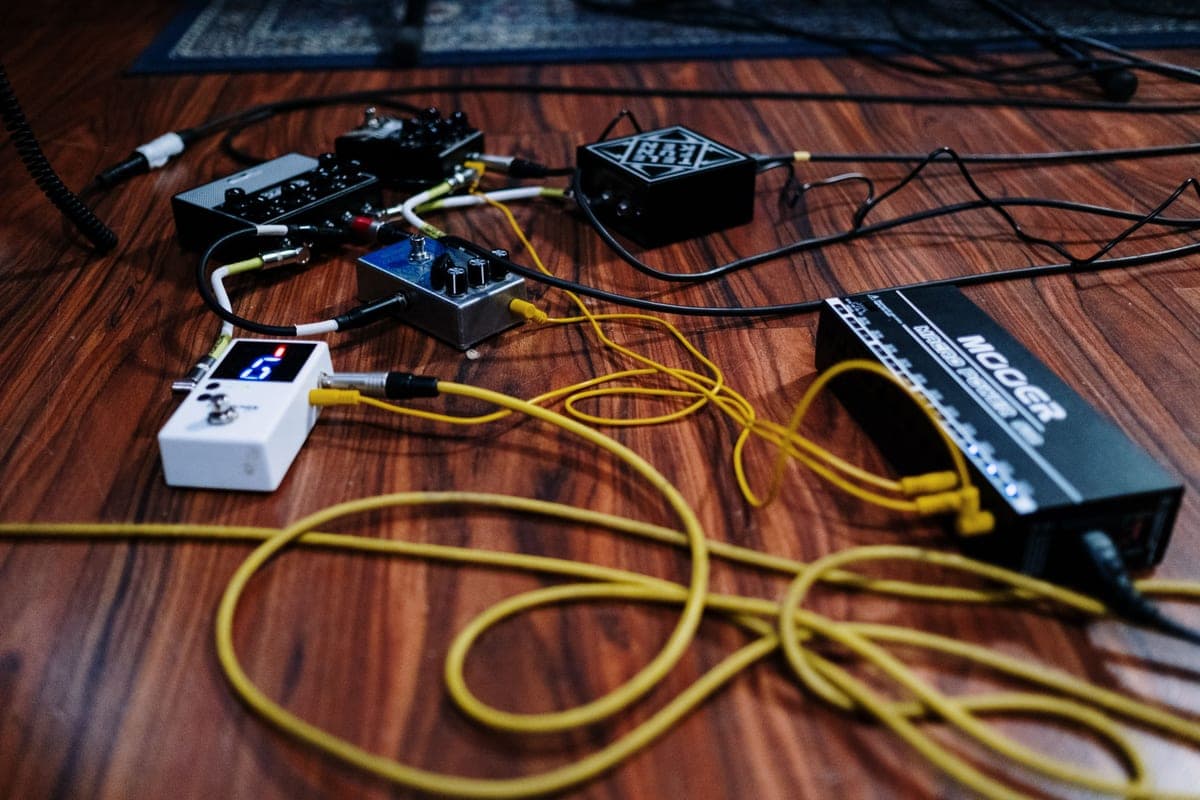
Best compressor pedals
Blend is the control that decides whether a compressor squashes or supports. Three compressors compared on what they do and do not have.
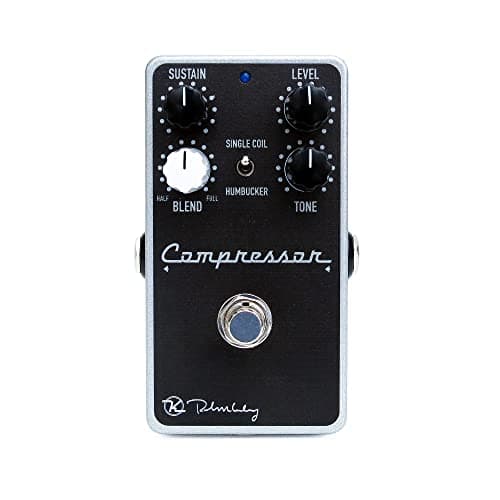
Best Compressor pick: Keeley Compressor Plus
#ad How we’re funded · price as of October 17, 2026