Pedals vs multi-effects
The comparison usually turns into a tone argument. The practical differences are power, interface and what happens when one thing breaks.
Fret & Fuzz earns a commission when you buy through the links on this page. It costs you nothing and it does not decide what we rank. How we’re funded.
We have not played this gear. Every pick below is chosen from published manufacturer specifications and the arithmetic set out in how we research, which you can re-run yourself.
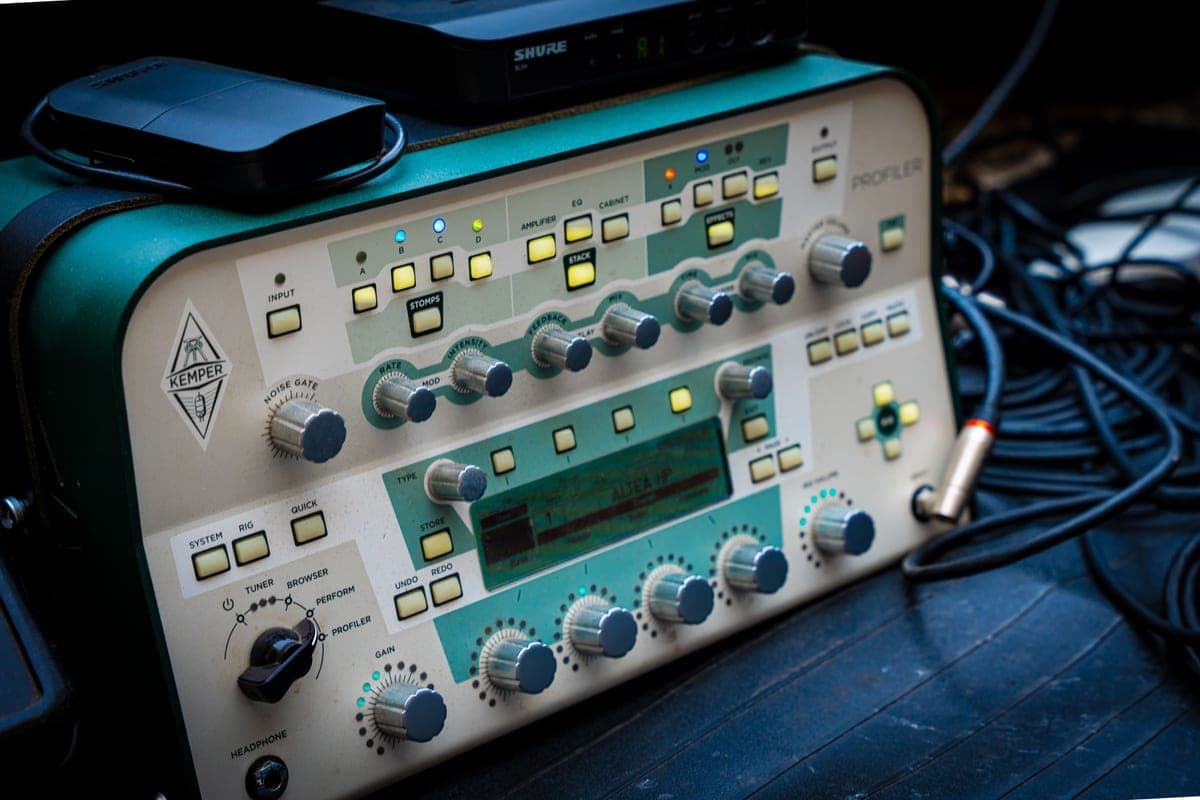
A multi-effects unit gives you every effect, presets, and one box to carry, at the cost of an interface you have to learn and a single point of failure. Individual pedals give you one control per function, instant tactile changes, and a board that keeps working when one pedal dies. The practical differences that actually decide it are power, interface speed and failure mode — not tone.
The tone argument is largely over. Modern modeling is good enough that the question is no longer whether it sounds acceptable; it is whether the workflow suits you and whether the power situation works.
If you are choosing a multi-effects unit
| # | Product | Best for | Price |
|---|---|---|---|
| 01 | 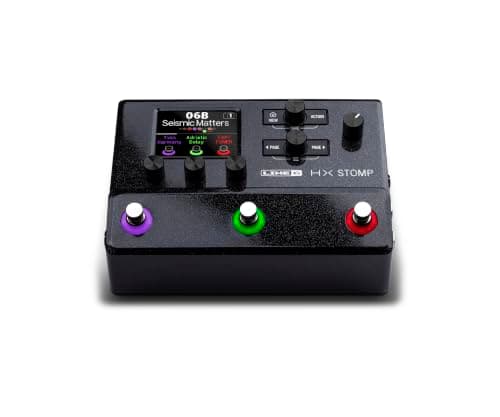 Line 6 HX Stomp Six simultaneous blocks and the Helix model set in a three-switch enclosure — with a 3 A power requirement. | A compact unit that sits on a board with real pedals | $599.99 · Check price #ad How we’re funded · price as of October 17, 2026 |
| 02 | 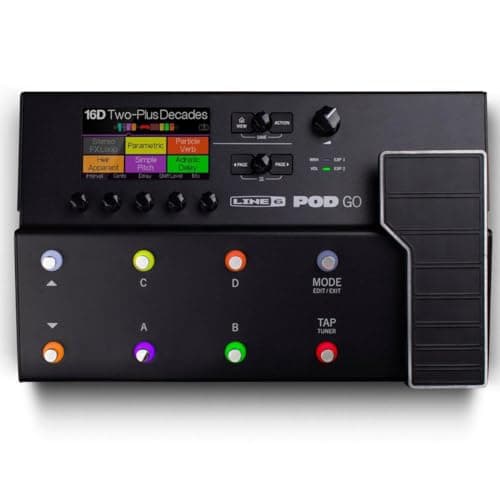 Line 6 POD Go An all-in-one floor unit with a built-in expression pedal and a fixed block layout. | One box that replaces the whole rig | $599.99 · Check price #ad How we’re funded · price as of October 17, 2026 |
| ! | No photo BOSS GT-1 Guitar Effects Processor Battery operation and a low entry price, on a unit BOSS no longer makes. Skip this one — see why below | No longer a purchase — BOSS has discontinued it | Discontinued No longer in production. We do not link a buy option for it. |
| ! | 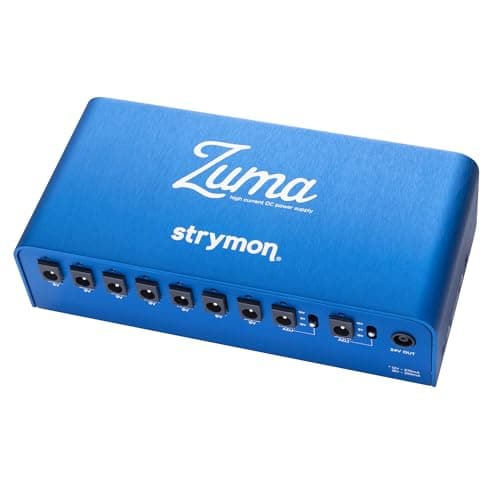 Strymon Zuma The best pedalboard supply on the site, and it still cannot run an HX Stomp. Skip this one — see why below | Not the answer to a multi-effects power problem | $279.00 · Check price #ad How we’re funded · price as of October 17, 2026 |
Rows link to the full write-up further down this page. Prices come from the live price layer only — where there is no live figure the button reads “Check price” rather than showing a remembered number.
02The differences that matter
| Individual pedals | Multi-effects | |
|---|---|---|
| Changing a setting live | Turn a knob. Instant, tactile, no menu | Preset change, or a menu if you did not plan it |
| Effects available | What you bought | Everything, including things you will never use |
| Signal chain order | Physical, and you can rearrange it in a minute | Configurable, but sometimes constrained by fixed blocks |
| Power | One brick, published mA per pedal | Its own supply — an HX Stomp asks 3 A |
| Weight and setup time | Higher, unless the board stays assembled | Lower, materially |
| When one thing fails | That pedal is bypassed; the gig continues | The rig is down |
| Recording direct | Needs an amp or a separate IR/DI | Built in on most units |
| Resale | Individual pedals hold value well | Depreciates with the model generation |
03The power problem, specifically
Line 6 ships the HX Stomp with a 9 V DC 3 A supply. Every isolated pedalboard brick on this site tops out at 500 mA per output. That is a factor of six, and it is not something a doubler cable or a bigger brick resolves.
So a board containing both a multi-effects unit and conventional pedals needs two supplies: the unit's own, and a brick for everything else. That is fine, and it is worth knowing before you plan the underside of the board. The power arithmetic guide covers the wider method.
Line 6 HX Stomp
A compact unit that sits on a board with real pedals
The number9 V DC center-negative, 3 A supply included. No pedalboard brick supplies that.
Six blocks at once, the HX amp, cab, effect and IR model set, stereo I/O and an effects loop. It is designed to be part of a board rather than to replace one, which is the most useful thing about it.
The 3 A power requirement is the practical headline and it catches people out constantly. The highest single output on a Strymon Zuma is 500 mA; on a Truetone CS7 it is 500 mA. This unit needs six times that and therefore its own supply.
Six blocks is a real ceiling. An amp, a cab, a drive, a delay, a reverb and a compressor is six, and then you are done.
| Simultaneous blocks | Up to six simultaneously |
|---|---|
| Models | Over 300 amps, cabs and effects from the Helix family, with IR loading |
| Power | 9 V DC center-negative, DC-3 supply (3 A) included |
| Display / switches | 2.4" color LCD; three capacitive-touch footswitches with LED rings |
| Audio interface | 24-bit / 96 kHz multi-channel USB audio |
| Format | Compact pedalboard unit with stereo I/O and an effects loop |
| What it does not do | It asks for 3 A at 9 V. No standard isolated pedalboard brick output supplies that, so it needs its own supply — this is the mistake people make when they add one to an existing board. |
Specs from Line 6 HX Stomp owner's manual. We have not used this unit.
#ad How we’re funded · price as of October 17, 2026
Line 6 POD Go
One box that replaces the whole rig
Everything in one enclosure including an expression pedal, with the HX model set and IR loading. Plug into a PA or headphones and you have a complete rig.
The fixed block layout is the trade against a Helix: certain positions in the chain are locked to certain block types, with four freely assignable blocks. For most players that is invisible; for anyone who wants an unusual signal order it is a wall.
No XLR outputs on the standard model, so a live rig going to a front-of-house desk needs a DI box.
| Format | All-in-one floor unit with a built-in expression pedal |
|---|---|
| Signal chain | Line 6 describes a semi-fixed serial signal path with snapshots |
| Models | HX-family amp, cab and effect models with IR loading |
| Power | External DC-3 supply included; Line 6 recommends using only that supply |
| What it does not do | The semi-fixed chain is a genuine limitation compared to a Helix — you cannot put anything anywhere. No XLR outputs on the standard model. |
Specs from Line 6 POD Go product page. We have not used this unit.
#ad How we’re funded · price as of October 17, 2026
BOSS GT-1 Guitar Effects Processor
No longer a purchase — BOSS has discontinued it
We are not recommending this one, because you can no longer buy it new. BOSS's own specification page lists the GT-1 as discontinued, so anything you find is old stock or secondhand and there is no warranty path.
It is worth knowing what it did, because nothing has directly replaced it: four AA batteries, 200 mA draw, 108 effect types, a USB audio interface and an onboard expression pedal in a 1.3 kg chassis. Battery-powered multi-effects at that size is a genuinely rare combination.
If you specifically want battery operation, that requirement now points at a used GT-1 or a different category of product entirely. If you just want an affordable modern unit, the multi-effects roundup covers what is actually in production.
| Status | BOSS lists the GT-1 as DISCONTINUED — it is no longer in production |
|---|---|
| Effects | 108 types |
| Format | Compact battery-capable multi-effects floor unit with an on-board expression pedal |
| Power | 4 x AA alkaline or an AC adaptor (sold separately); approx. 7 hours on alkaline |
| Current draw | 200 mA |
| Size / weight | 305 x 152 x 56 mm, 1.3 kg |
| What it does not do | It is discontinued, so anything you find is old stock or secondhand and there is no warranty path. The interface is also small and menu-driven — editing is much faster in the computer editor than on the unit. |
Specs from BOSS GT-1 specifications (listed as discontinued). We have not used this unit.
Strymon Zuma
Not the answer to a multi-effects power problem
We are not picking this as a solution here, and it is the pedal-power answer everywhere else on this site. Nine isolated outputs at 500 mA each, individual transformers per channel, 48 W total.
An HX Stomp asks for 3 A. That is six times the highest single output, and no pedalboard-class brick in production provides it.
The correct configuration is the multi-effects unit on its own included supply and the brick powering everything else. Trying to solve it with a bigger brick is money spent on the wrong problem.
| Outputs | 9, fully isolated, one custom transformer per channel |
|---|---|
| Current per output | 500 mA at 9 V DC on every output |
| Selectable outputs | 2 outputs switch to 12 V (375 mA) or 18 V (250 mA) |
| Total power | 48 W maximum |
| Mains input | 100-240 V, worldwide |
| Size / weight | 6.8 x 3.3 x 1.8 in (173 x 84 x 46 mm), 680 g |
| What it does not do | It does not include the courtesy outlets or the sag feature some rivals have, and 500 mA per output still will not run an HX Stomp, which asks for 3 A. |
Specs from Strymon Zuma product page. We have not used this unit.
04The failure mode difference
This is the argument that gets least attention and matters most to anyone playing live. If a drive pedal dies mid-set on a pedalboard, you step on the bypass and carry on with a different sound. If the multi-effects unit dies, you have no guitar sound at all.
That is not an argument against multi-effects — it is an argument for knowing what your backup is. A cheap drive pedal and a cable in the gig bag is a complete answer and it costs almost nothing.
05The hybrid, which is what most people end up with
A small multi-effects unit for time-based effects and amp modeling, plus one or two real drive pedals for the sounds you change constantly. The drives stay tactile, the effects stay comprehensive, and you carry one small board.
The HX Stomp exists specifically for this configuration — three footswitches and an effects loop, sized to sit on a board rather than replace one. If you are torn between the two approaches, this is usually the answer. Budget a second power supply into that decision — powering an HX Stomp explains why the unit cannot share your existing brick. Our HX Stomp review is the fuller account of what you get for the compromise. Having decided on a multi-effects unit, HX Stomp vs POD Go is the next choice and the two are usually the same price.
Frequently asked questions
+ Are multi-effects units as good as individual pedals?
+ Can I power a multi-effects unit from my pedalboard supply?
+ Should I buy a multi-effects unit as a beginner?
+ Can I use both pedals and a multi-effects unit?
Sources
Related on Fret & Fuzz
Line 6 HX Stomp review
Six simultaneous blocks and a 3 A supply requirement. Both are published, and both decide the purchase before tone does.
Top pick: Line 6 HX Stomp
#ad How we’re funded · price as of October 17, 2026
Line 6 HX Stomp vs POD Go
Same models, same money. Six freely placed blocks against a finished floor rig with an expression pedal built in.
Top pick: Line 6 HX Stomp
#ad How we’re funded · price as of October 17, 2026
Powering an HX Stomp from a pedalboard supply
Line 6 specifies 3 A. The most generous common brick output is 500 mA. The arithmetic, and what to do instead.
Top pick: Strymon Zuma
#ad How we’re funded · price as of October 17, 2026
Best multi-effects pedals
Block count, routing freedom and current draw decide this. Four current units compared, plus the one BOSS has discontinued.
Best Multi-Effects pick: Line 6 HX Stomp
#ad How we’re funded · price as of October 17, 2026
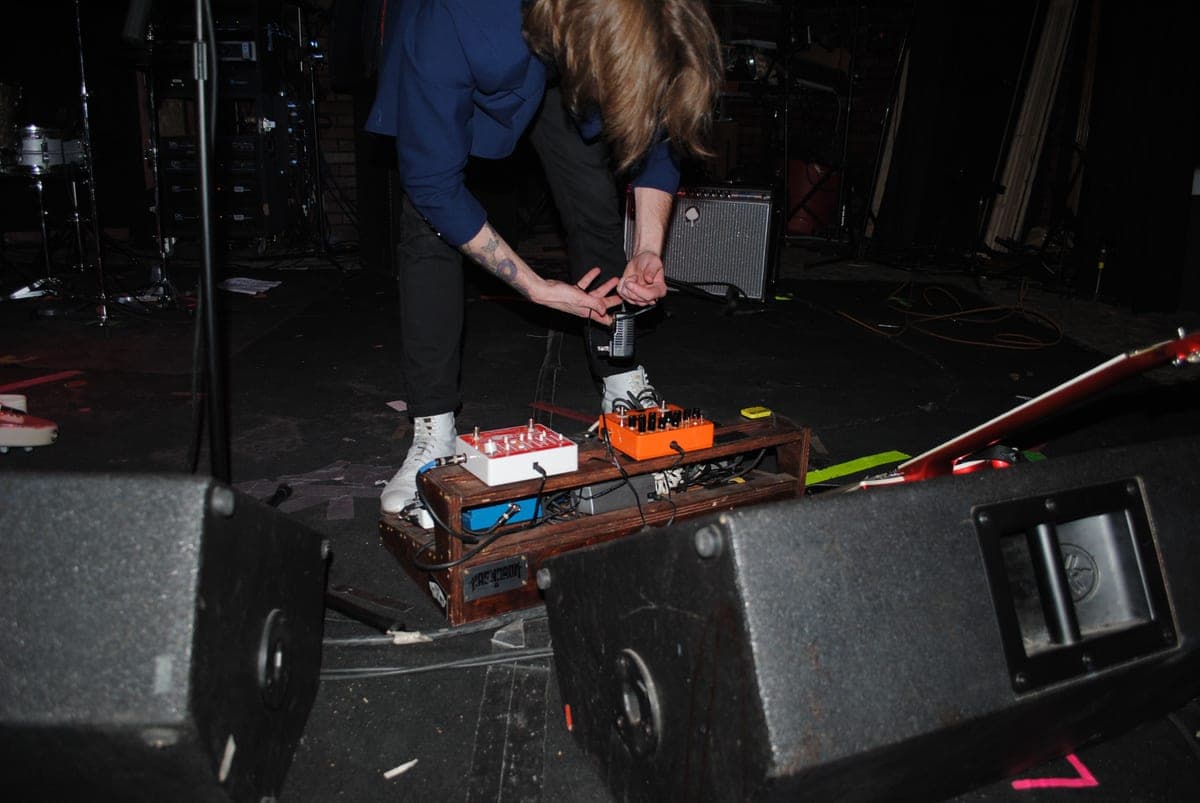
Pedalboard power requirements explained
Two sums decide your power supply, and almost everyone only does the first. A worked example with real published figures.
Top pick: Strymon Zuma
#ad How we’re funded · price as of October 17, 2026

Best pedal platform amps
Headroom, not gain. Why solid state is genuinely competitive here, and which amps have the jacks that matter.
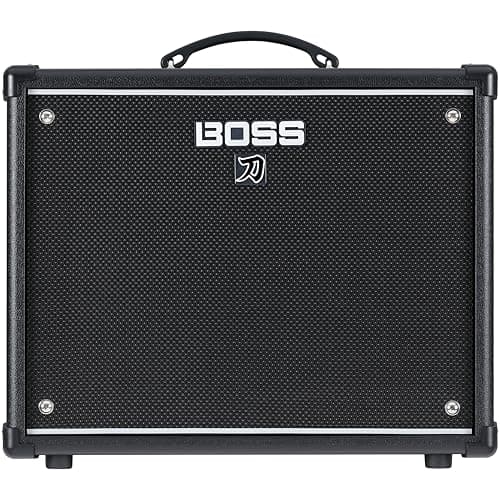
Best Pedal Platform pick: BOSS KATANA-50 GEN 3
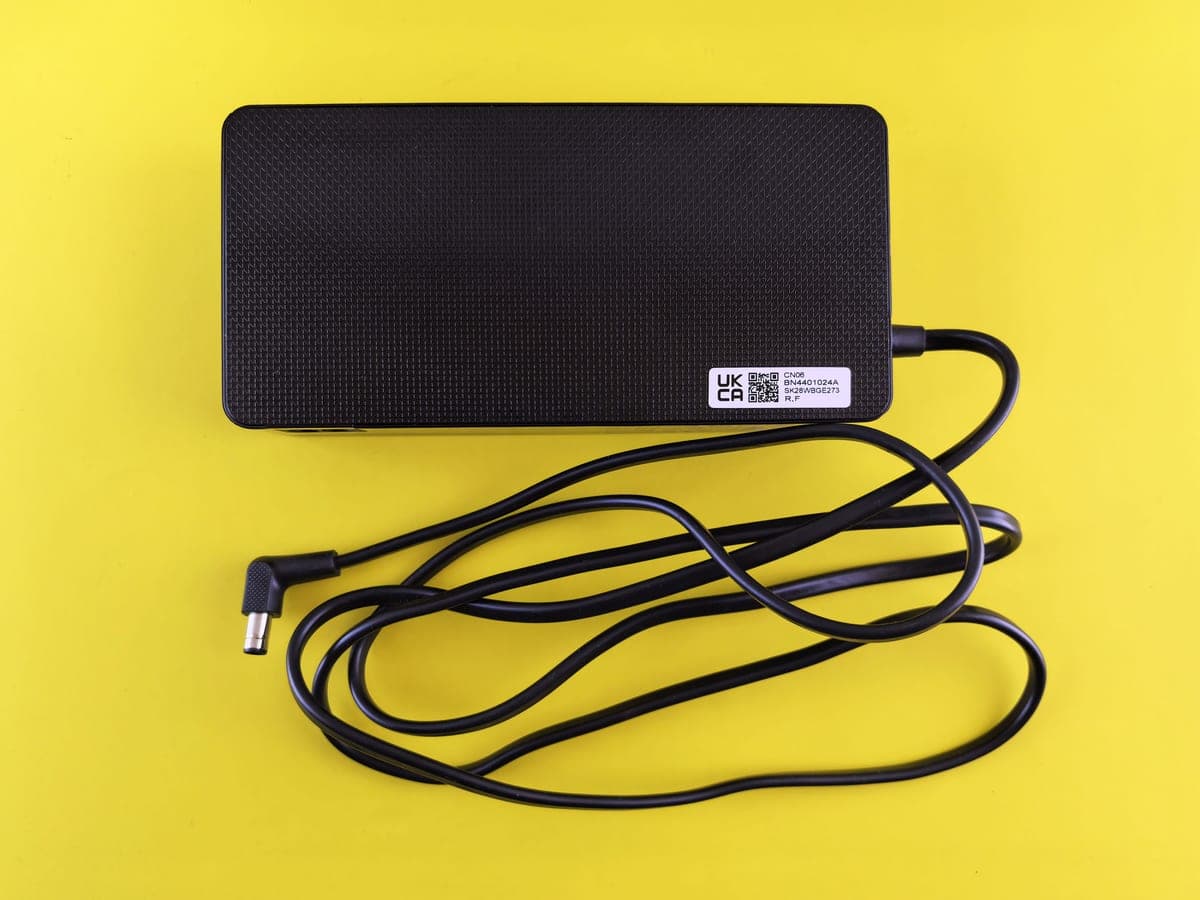
Best pedalboard power supplies
Compare on the highest single output, not total current. Five isolated supplies on their published per-output ratings.
Best Power Supply pick: Strymon Zuma
#ad How we’re funded · price as of October 17, 2026
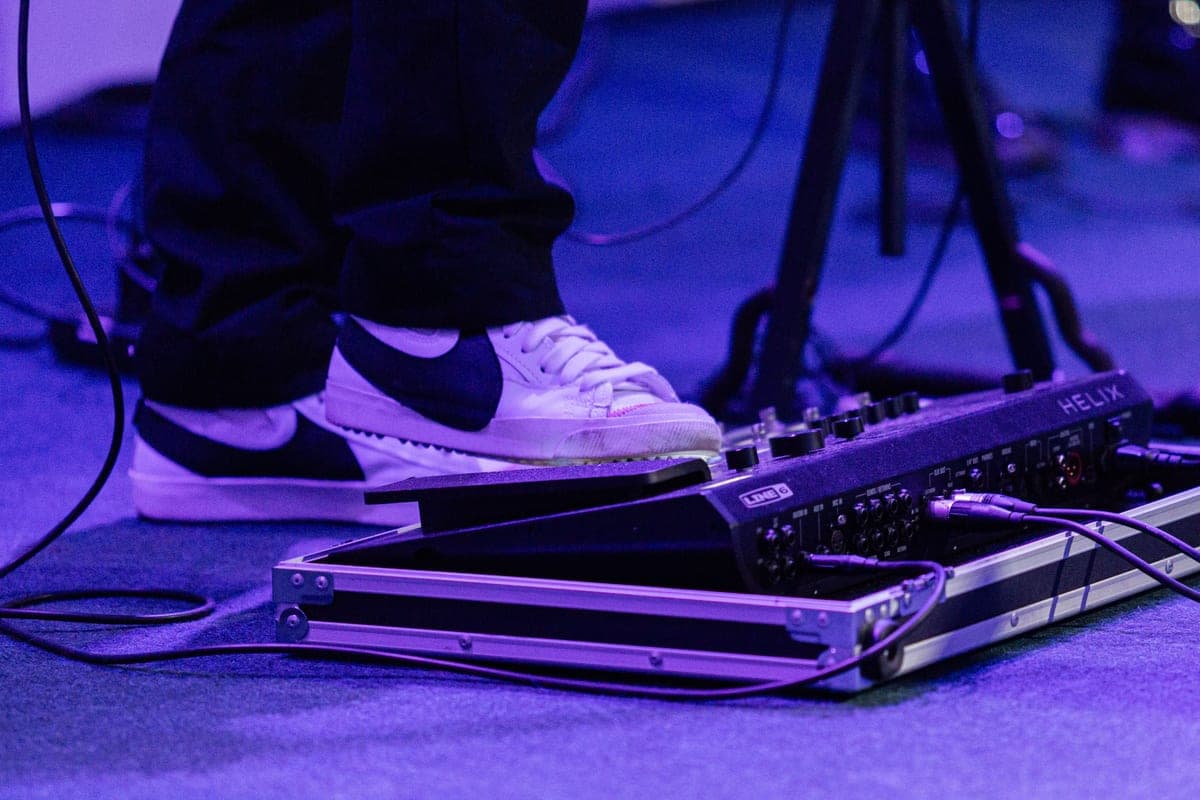
Should you upgrade the pedal or the amp?
One five-minute test with the pedals switched off decides it. Plus the cost comparison nobody totals up.
Top pick: BOSS KATANA-50 GEN 3