BOSS TU-3 vs TC Electronic PolyTune 3
The two tuners on almost every shortlist, and the specification that separates them is not the one people compare.
Fret & Fuzz earns a commission when you buy through the links on this page. It costs you nothing and it does not decide what we rank. How we’re funded.
We have not played this gear. Every pick below is chosen from published manufacturer specifications and the arithmetic set out in how we research, which you can re-run yourself.
Both are accurate enough to tune a guitar and the difference that decides most boards is current draw: 20 mA for the TU-3 against 100 mA for the PolyTune 3. Buy the TU-3 if your supply is tight or you want its DC OUT to power other pedals. Buy the PolyTune 3 if you want strobe accuracy for intonation work, the polyphonic quick-check, or a buffer you can switch out.
Tuner comparisons usually turn on accuracy figures, and accuracy is the specification least likely to matter — both of these are far more accurate than the instrument they are measuring. What separates them in practice is power, buffering and how fast you can check six strings.
01What each maker publishes
| BOSS TU-3 | TC Electronic PolyTune 3 | |
|---|---|---|
| Best accuracy | +/- 1 cent | +/- 0.02 cent in strobe mode |
| Chromatic accuracy | +/- 1 cent | 0.5 cent |
| Polyphonic mode | No | Yes — all six strings from one strum |
| Current draw | 20 mA (80 mA in High Brightness) | 100 mA |
| Buffer | Buffered bypass, always in circuit | BONAFIDE buffer, switchable out |
| Buffer specification | Not published in detail | 1 M ohm in, 100 ohm out, >112 dB S/N |
| Powers other pedals | Yes — DC OUT jack | No |
| Range | C0 (16.35 Hz) to C8 (4,186 Hz) | Not published in the same form |
| Display | LED, with a High Brightness mode | 109-LED with an ambient light sensor |
Which tuner
| # | Product | Best for | Price |
|---|---|---|---|
| 01 | 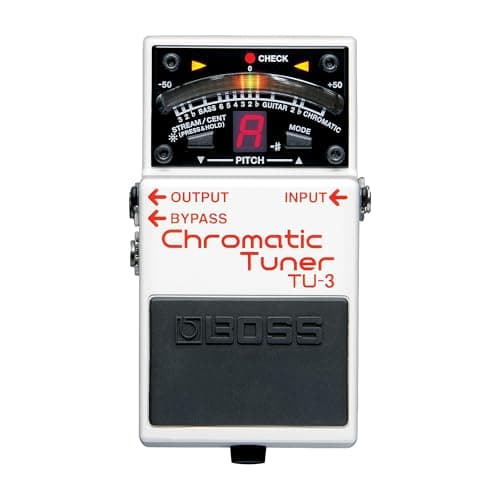 BOSS TU-3 Chromatic Tuner +/- 1 cent at 20 mA, with a DC OUT jack that powers other pedals from the same supply. | The board where the power budget is tight | |
| 02 | No photo TC Electronic PolyTune 3 +/- 0.02 cent in strobe mode, plus a polyphonic mode that checks all six strings at once. | Accuracy, speed, and a buffer you can switch off |
Rows link to the full write-up further down this page. Prices come from the live price layer only — where there is no live figure the button reads “Check price” rather than showing a remembered number.
03Why the current draw decides more boards than the accuracy
A tuner is the least glamorous thing on a pedalboard and it is on all the time. Eighty milliamps of difference sounds trivial until you add it to a board that already has a digital delay at 100 mA and a reverb at 95 mA — at that point the tuner choice is the difference between fitting on a 100 mA output and needing a bigger supply.
The TU-3's DC OUT pushes that further in its favor on small boards. A tuner that powers your two other pedals from its own supply can remove a whole purchase. Power requirements explained has the method for adding this up, and the short version is to total the published draws and add 30%.
BOSS TU-3 Chromatic Tuner
The board where the power budget is tight
The number20 mA normally, 80 mA with High Brightness on. C0 to C8 range, 390 g.
BOSS publishes +/- 1 cent accuracy across a C0 (16.35 Hz) to C8 (4,186 Hz) range, with chromatic, guitar and bass modes including several flat-tuning options. One cent is comfortably enough for stage tuning, and the mute-while-tuning behavior is the reason a pedal tuner beats a clip-on in the first place.
The specification that wins boards is the 20 mA draw, five times less than the PolyTune. The DC OUT jack compounds that: it will power a small number of other pedals from the same supply, which on a three-pedal board can remove the need for a brick entirely.
The cons: +/- 1 cent is a stage figure, not an intonation-setting figure — that is strobe territory. High Brightness mode quadruples the draw to 80 mA, which is easy to forget when budgeting a supply. And it is buffered bypass with no way to switch that out, so it is always in your signal path.
| Tuning range | C0 (16.35 Hz) to C8 (4,186 Hz) |
|---|---|
| Accuracy | +/- 1 cent |
| Modes | Chromatic, Chromatic flat x2, Guitar, Guitar flat x2, Bass, Bass flat x3 |
| Bypass | Buffered bypass |
| Current draw | 20 mA; 80 mA with High Brightness mode on |
| Jacks | Output, Bypass, DC IN, DC OUT (powers other pedals) |
| Weight | 390 g including battery |
| What it does not do | +/- 1 cent is fine for a stage tuner and not enough for setting intonation — that is strobe territory. Turning on High Brightness quadruples the current draw, which matters on a shared supply. |
Specs from BOSS TU-3 specifications. We have not used this unit.
TC Electronic PolyTune 3
Accuracy, speed, and a buffer you can switch off
The number100 mA — five times the TU-3. Strobe +/- 0.02 cent; chromatic 0.5 cent.
TC publishes three modes that switch automatically: polyphonic, which reads all six strings from one strum and shows you at a glance which are out; chromatic at 0.5 cent; and strobe at +/- 0.02 cent, which is fifty times finer than the TU-3 and genuinely enough for setting intonation.
The BONAFIDE buffer is specified rather than incidental — 1 M ohm input, 100 ohm output, better than 112 dB signal to noise — and critically it can be switched out, which the TU-3's cannot. On a board with a vintage fuzz that switch is the difference between the tuner being usable and not.
The cons: 100 mA is a lot for a tuner and it is the figure that decides this comparison on a small board. The polyphonic mode is a quick check rather than a precision tool — you still tune string by string for accuracy. And leaving the buffer in means it is always in your path, which is a choice rather than a default.
| Strobe accuracy | +/- 0.02 cent |
|---|---|
| Chromatic accuracy | 0.5 cent |
| Modes | Polyphonic (all six strings at once), chromatic and strobe, switching automatically |
| Buffer | BONAFIDE buffer, 1 M ohm input, 100 ohm output, >112 dB signal to noise |
| Current draw | 100 mA |
| Display | 109-LED display with an ambient light sensor |
| What it does not do | 100 mA is a lot for a tuner — five times a TU-3 in normal mode. The buffer can be switched out, but if you leave it in it is always in your signal path. |
Specs from TC Electronic PolyTune 3 product page. We have not used this unit.
04The buffer question, which matters more than either spec
Both tuners buffer your signal, and a buffer is usually a good thing — it drives a long cable run without losing high end. The exception is a vintage-style fuzz, which expects to see your pickups directly. Put a buffer in front of one and the interaction that lets it clean up on your guitar volume knob disappears.
The TU-3's buffer is always in circuit. The PolyTune 3's can be switched out. If there is a Fuzz Face on your board, that switch is not a nice-to-have — it is the reason to choose one tuner over the other, regardless of every figure in the table above. Fuzz and buffers covers the mechanism, and buffer vs true bypass covers the general case.
05What one cent actually means
A cent is one hundredth of a semitone. One cent of error is far below what anyone hears as out of tune on a single note, and it is well inside what a guitar drifts by when you bend a string, press slightly hard, or play for twenty minutes under stage lights.
So the TU-3's +/- 1 cent is not a compromise for tuning up — it is already finer than the instrument holds. The PolyTune's +/- 0.02 cent earns its place in a different job: setting intonation at the bridge, where you are comparing a fretted note against a harmonic and small errors compound up the neck. If you do your own setups, that is a real reason to buy it. If you do not, it is a specification you will never use.
Frequently asked questions
+ Is the PolyTune 3 more accurate than the TU-3?
+ Which tuner pedal uses less power?
+ Do I need a polyphonic tuner?
+ Can I turn the buffer off?
Sources
Related on Fret & Fuzz
Best tuner pedals
Published accuracy from +/- 1 cent to +/- 0.02 cent, the buffer trade-off, and the tuner that quietly draws 100 mA.
Best Tuner pick: TC Electronic PolyTune 3
Buffer vs true bypass
A trade-off, not an upgrade. What a buffer fixes, when it hurts, and a five-question rule for deciding.
Top pick: BOSS TU-3 Chromatic Tuner
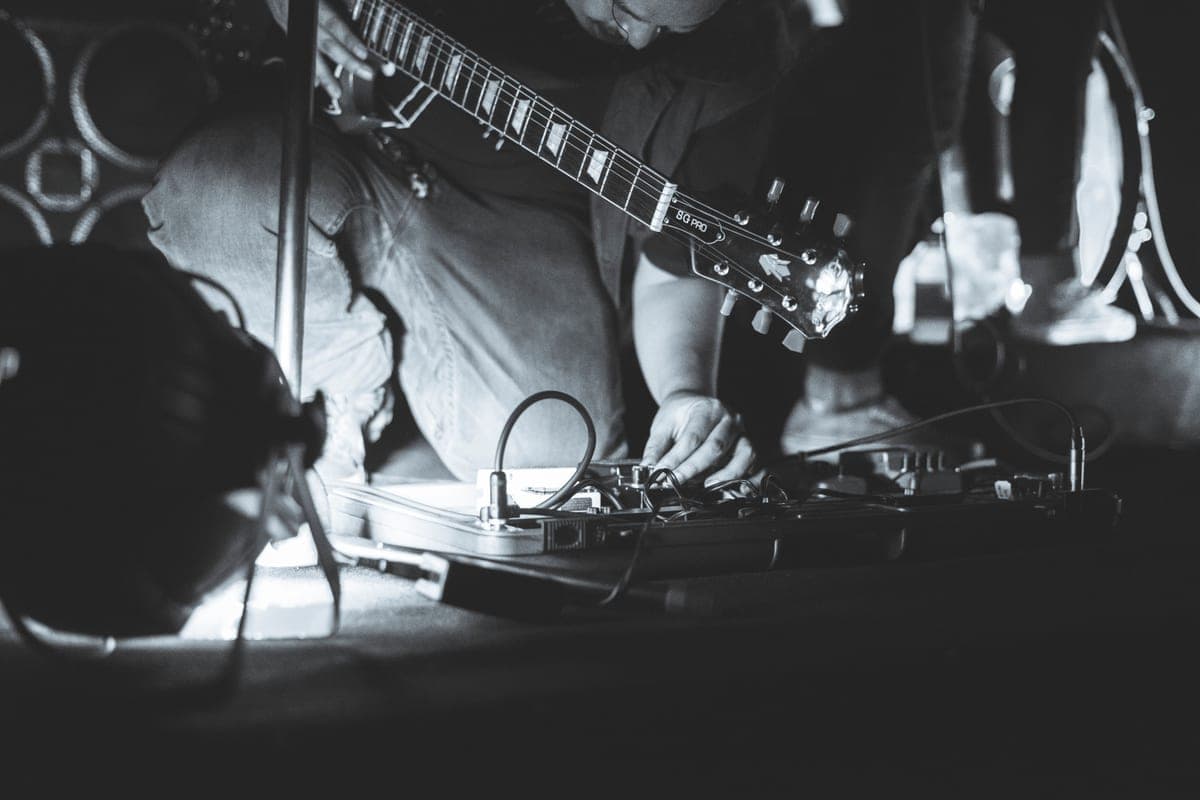
Fuzz and buffers: why your fuzz sounds wrong
The most common fuzz complaint has one cause and a one-move fix. The mechanism, and which pedals are buffered.
Top pick: Korg Pitchblack Chromatic Tuner

Pedalboard power requirements explained
Two sums decide your power supply, and almost everyone only does the first. A worked example with real published figures.
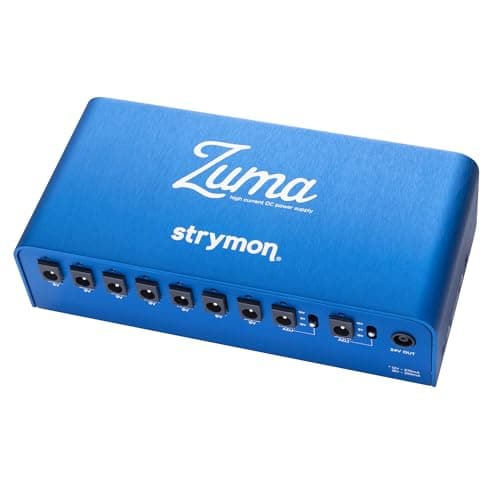
Top pick: Strymon Zuma
#ad How we’re funded · price as of September 13, 2026
Your first pedalboard
Four pedals, a supply and a board, in the order that makes each one useful — and what to leave until later.
Best First Board pick: BOSS TU-3 Chromatic Tuner