Can you practice guitar with headphones?
An electric guitar into headphones is unlistenable without one specific piece of processing, and that is the whole purchase decision.
Fret & Fuzz earns a commission when you buy through the links on this page. It costs you nothing and it does not decide what we rank. How we’re funded.
We have not played this gear. Every pick below is chosen from published manufacturer specifications and the arithmetic set out in how we research, which you can re-run yourself.
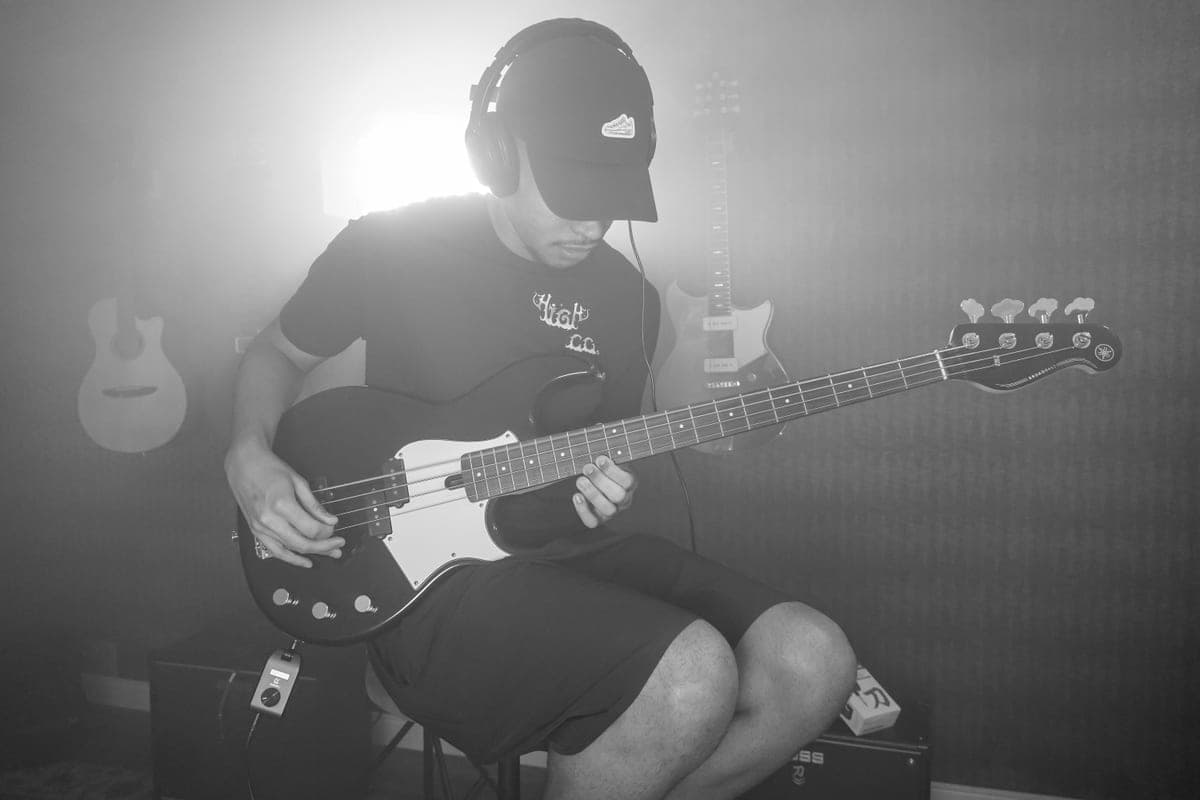
Yes — and the best box for most players is the BOSS Katana:GO, which plugs into the guitar, publishes a 30 mW + 30 mW headphone output, 10 amp types and roughly 5 hours of battery, and needs nothing else bought alongside it. The reason you cannot simply plug headphones into a guitar amp's output or a cheap adapter is speaker simulation: an electric guitar's raw signal has energy up past 5 kHz that a real guitar speaker removes, and without that filtering headphones give you a thin, fizzing buzz. Every device worth buying for silent practice is really a speaker simulator with a headphone jack attached.
We have not used these units, and this is not a tone review. What follows is each maker's published specification, which figures actually decide the purchase, and the one product category to avoid. How we research sets out the method.
01The criteria, before any product
Silent practice has four published figures that matter and a great many that do not. Wattage, in particular, tells you nothing here.
- Is there speaker or cabinet simulation? This is not a feature, it is the product. Without it a guitar into headphones is unlistenable, and no EQ setting substitutes for it.
- Is there a published headphone output figure? Power in mW per channel and a recommended load impedance. Most makers publish neither; where they do, you can check it against your headphones instead of guessing.
- Published battery life, and what kind of cell. A rechargeable cell with a stated hour figure is a different ownership experience from AAA cells you can replace in a shop.
- Does it record, and at what resolution? A published USB audio spec (bit depth and sample rate) separates a demo tool from a recording one. 16-bit at 44.1 kHz captures an idea; 24-bit at 96 kHz is a session.
| Device | Published phones output | Battery | USB audio |
|---|---|---|---|
| BOSS Katana:GO | 30 mW + 30 mW, 4.7 ohm out, 16 ohms or greater | Li-ion, approx. 5 h, 3 h charge | Not published as an interface spec |
| VOX amPlug 3 Boutique | 3.5 mm stereo, no power figure published | 2 x AAA, 10 h (FX off) / 16 h (FX on) | None — TRRS out to a phone only |
| Positive Grid Spark GO | 1/8-inch phones / line out | 2500 mAh, up to 8 h, 2 h charge | 1 in x 2 out, 44.1 kHz, 16-bit |
| Line 6 HX Stomp | Not published separately | None — 9 V at 3 A from the wall | 24-bit / 96 kHz multi-channel |
| VOX AC10C1 | No headphone output at all | None | None |
Manufacturer figures only. Two of these five publish no headphone power figure, which is itself worth knowing before you pair expensive high-impedance headphones with one.
Ways to practice silently
| # | Product | Best for | Price |
|---|---|---|---|
| 01 | 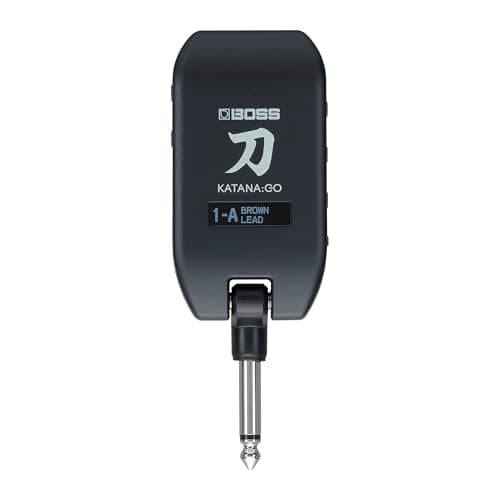 BOSS KATANA:GO Ten amp types, over 60 effects and a published 30 mW per channel headphone output in a 65 g plug. | The best silent-practice box for most players, and the one with nothing else to buy | |
| 02 | 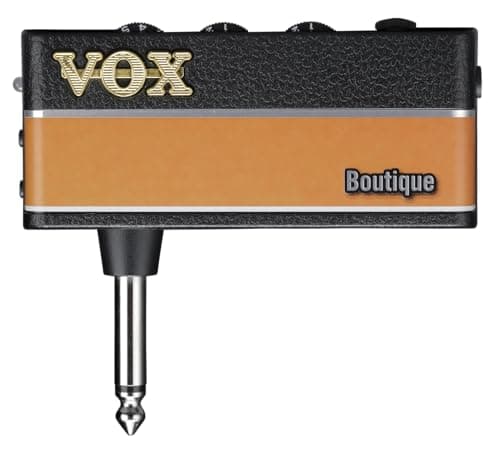 VOX amPlug 3 Boutique Two channels, three effects and nine rhythm patterns for the price of a patch cable set. | The cheapest route that still sounds like an amp, and the only one that runs on AAA cells | $48.34 · Check price #ad How we’re funded · price as of November 2, 2026 |
| 03 | 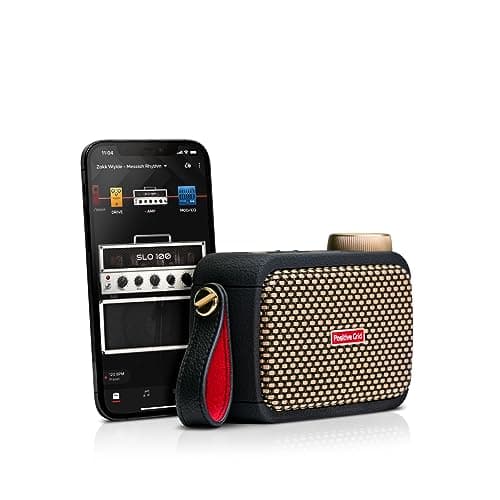 Positive Grid Spark GO A 5 W amp with a published 82 dB SPL ceiling and a headphone output — the compromise box. | Wanting headphones at night and a small speaker in the daytime | |
| 04 | 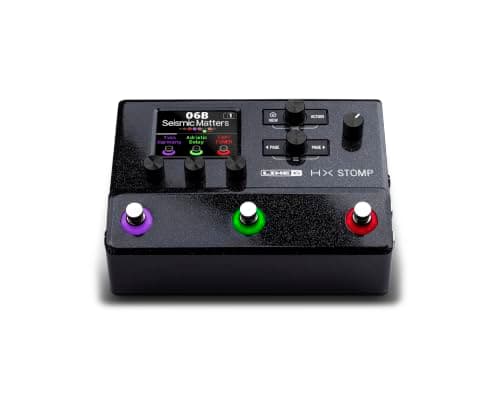 Line 6 HX Stomp 24-bit / 96 kHz USB audio and over 300 models, with a power requirement that catches people out. | A player who already owns one, or who wants the same box to practice and record | $599.99 · Check price #ad How we’re funded · price as of November 2, 2026 |
| ! | No photo VOX AC10C1 10 W of EL84 with no headphone jack and no effects loop. There is no quiet setting on it. Skip this one — see why below | Nothing on this page — it is here as the mistake to avoid |
Rows link to the full write-up further down this page. Prices come from the live price layer only — where there is no live figure the button reads “Check price” rather than showing a remembered number.
03Why a guitar straight into headphones sounds wrong
This is the mechanism behind the whole page, and it is a filter rather than a mystery.
A guitar pickup and a distortion circuit produce plenty of energy above 5 kHz. A real guitar loudspeaker does not reproduce it — a 12-inch guitar speaker rolls off steeply in the upper midrange, and that roll-off is a large part of what we recognize as the sound of an electric guitar. Headphones, unlike a guitar speaker, are built to be flat to 20 kHz. They faithfully deliver the fizz that the speaker was quietly removing for you.
Speaker or cabinet simulation is a filter that puts that roll-off back, either as a fixed analog circuit or as an impulse response captured from a real cabinet. It is the difference between a usable headphone sound and a wasp in a jar, and it is why the cheap passive 'headphone adapter' that just splits a speaker output is a false economy: there is no simulation in it.
BOSS KATANA:GO
The best silent-practice box for most players, and the one with nothing else to buy
The number10 guitar amp types + 3 bass, 60+ effects, 30 memories per mode, 30 mW + 30 mW phones out, approx. 5 h battery, 65 g.
This is the recommendation because it does the one hard job — speaker simulation — properly, and then has no accessories you need to buy. BOSS publishes 10 amp types in guitar mode and three in bass mode, over 60 effects in each, and 30 user memories per mode, which is enough that you set it up once and never open the app again if you do not want to.
The published audio figures are the reason to prefer it over a generic headphone amp: 48 kHz sampling with 32-bit AD and DA conversion, a 1 M ohm input at -10 dBu nominal, and a headphone output of 30 mW + 30 mW into a 4.7 ohm output impedance with 16 ohms or greater recommended. That last figure is the one worth checking against your headphones; almost all consumer headphones are above it.
Battery is a rechargeable lithium-ion cell giving approximately 5 hours, charged over USB-C in approximately 3 hours at a published 500 mA draw, and Bluetooth covers A2DP audio for backing tracks plus MIDI over Bluetooth LE for the app. It measures 45 x 125 x 29 mm and weighs 65 g.
The cons are worth stating plainly. No headphones in the box — you supply those. No 1/4-inch line output, so it cannot feed an amp, a desk or an audio interface; what comes out is a headphone jack and nothing else. The footswitch and expression pedal that would make it usable live are wireless options sold separately, and five hours of battery means you are charging it between sessions rather than forgetting about it.
| Format | Plugs into the guitar jack; headphones plug into it |
|---|---|
| Amp types | 10 in guitar mode, 3 in bass mode (Vintage, Modern, Flat) |
| Effects | Over 60 in each mode |
| Memories | 30 in guitar mode, 30 in bass mode |
| Input impedance | 1 M ohm, nominal level -10 dBu |
| Headphone output | 30 mW + 30 mW, 4.7 ohm output impedance, 16 ohms or greater recommended |
| Conversion | 48 kHz sample rate, 32-bit AD and DA |
| Battery | Rechargeable lithium-ion, approx. 5 hours use, approx. 3 hours charge, 500 mA draw |
| Bluetooth | A2DP audio plus MIDI over Bluetooth Low Energy |
| Size / weight | 45 x 125 x 29 mm, 65 g |
| What it does not do | No headphones and no speaker — it is a headphone amp, so you hear nothing without something plugged into it. No 1/4-inch line output to feed a desk or an interface, and the footswitch and expression pedal are wireless options sold separately. The box holds the unit, a USB-C cable and two leaflets. |
Specs from BOSS KATANA:GO specifications. We have not used this unit.
VOX amPlug 3 Boutique
The cheapest route that still sounds like an amp, and the only one that runs on AAA cells
The number2 channels, 3 effects, 9 rhythm patterns, 2 x AAA, 10 h (FX off) or 16 h (FX on) alkaline, 40 g.
The amPlug is the original version of this idea and it is still the cheapest sensible one. VOX publishes a dual-channel design with three built-in effects and a 9-pattern rhythm function, in a plug that weighs 40 g and measures 87 x 33 x 39 mm with the plug retracted.
Battery life is the specification that beats everything else here: 10 hours on alkaline cells with FX or rhythm off, 16 hours with them on, from two AAA cells — and because they are AAA cells, you can fix a dead one in a shop. The CTIA-compliant 3.5 mm TRRS AUX jack takes a backing track in, and VOX states the same jack can send the unit's output to a phone or tablet for recording.
The limitations are the price of the price. You are buying one voicing, not a range: Boutique is a clean channel and a bright overdrive, and the AC30, UK Drive, US Silver and High Gain models are separate products, not settings. There is no DC input at all, so it cannot be powered from a pedalboard supply — AAA cells or nothing. No 1/4-inch output, no presets, no app, and no headphones in the box.
| Format | Plugs directly into the guitar jack, rotating plug |
|---|---|
| Channels | Two — CH1 a bouncy clean, CH2 a bright overdrive |
| Effects | Three built-in effects |
| Rhythm | 9 patterns |
| Power | Two AAA cells, alkaline or NiMH rechargeable |
| Battery life | 10 hours with FX or rhythm off, 16 hours on (alkaline); 3 to 5 hours on manganese |
| Jacks | 3.5 mm stereo phones; CTIA-compliant 3.5 mm TRRS AUX in |
| Size / weight | 87 x 33 x 39 mm with the plug retracted, 40 g without batteries |
| What it does not do | No headphones, no 1/4-inch output and no DC input — it runs on AAA cells only, so there is no way to power it from a pedalboard supply. Boutique is one voicing in a range of seven; it is not switchable to the AC30 or High Gain models, which are separate purchases. |
Specs from VOX amPlug 3 product page. We have not used this unit.
#ad How we’re funded · price as of November 2, 2026
Positive Grid Spark GO
Wanting headphones at night and a small speaker in the daytime
The number5 W class D, 1 x 2-inch speaker, 82 dB SPL at 1 m, 33 amp models, 43 effects, up to 8 h battery, 346 g.
The case for this over a pure headphone amp is that it does both. Positive Grid publishes 5 W class D into one 2-inch speaker with a passive radiator, a frequency range of 110 Hz to 20 kHz, and a 1/8-inch headphone / line output alongside the 1/4-inch guitar input. So it is a desk speaker when you are allowed one and a headphone amp when you are not.
It also records. The published USB interface is 1 in x 2 out at 44.1 kHz, 16-bit, which is enough to capture an idea. 33 amp models and 43 effects with four presets stored on the unit mean it works with the app closed, and the battery is a 2500 mAh cell giving up to 8 hours at mid volume or lower with a 2 hour charge. It weighs 346 g.
Read the SPL figure before you buy it as a speaker. Positive Grid publishes 82 dB SPL at 1 m, which is a desk and a sofa, not a room with a drummer in it — and the published low-frequency limit of 110 Hz is above the low E of a guitar in standard tuning. There is no power adaptor in the box (it charges from a USB-C charger you already own), no aux input is listed, and 16-bit at 44.1 kHz is a demo-quality interface rather than a recording one.
| Power | 5 W class D, one 2-inch speaker with a passive radiator |
|---|---|
| Maximum SPL | 82 dB SPL at 1 m |
| Frequency range | 110 Hz to 20 kHz |
| Amp models / effects | 33 amp models, 43 effects, 4 presets on the unit |
| Battery | 2500 mAh lithium-ion, up to 8 hours at mid volume or lower, 2 hour charge |
| Jacks | 1/4-inch input, 1/8-inch headphone / line out |
| USB audio | 1 in x 2 out, 44.1 kHz, 16-bit |
| Bluetooth | Bluetooth 5.0 audio |
| Size / weight | 125 x 85 x 45 mm, 346 g |
| What it does not do | No power adaptor in the box — it charges from a USB-C charger you already own. No aux input is listed, the USB interface is 16-bit at 44.1 kHz rather than 24-bit, and 82 dB SPL from a 2-inch speaker will not hold its own against an acoustic drum kit. |
Specs from Positive Grid Spark GO product page. We have not used this unit.
Line 6 HX Stomp
A player who already owns one, or who wants the same box to practice and record
The numberSix simultaneous blocks, 300+ models with IR loading, 24-bit / 96 kHz USB audio, 9 V at 3 A.
If this is already on your board, the silent-practice problem is solved and you need buy nothing: Line 6 publishes up to six simultaneous blocks from over 300 amp, cab and effect models with IR loading, and a 24-bit / 96 kHz multi-channel USB audio interface. Put a cab block last, plug headphones into the outputs, and you have exactly the speaker simulation the rest of this page is about, at a higher resolution than any other entry here.
It is also the only entry that is a real recording interface rather than a convenience one, and it has a genuine effects loop, so your existing pedals can live inside the chain rather than in front of it.
The reason it is fourth and not first is cost and power. Line 6 publishes a requirement of 9 V DC at 3 A, supplied by the included DC-3 brick — and no standard isolated pedalboard output provides 3 A, so it needs its own wall socket. As a thing to buy purely to practice quietly it is several times the price of the Katana:GO, and nothing about its headphone output is published as a figure the way BOSS publishes the Katana:GO's.
| Simultaneous blocks | Up to six simultaneously |
|---|---|
| Models | Over 300 amps, cabs and effects from the Helix family, with IR loading |
| Power | 9 V DC center-negative, DC-3 supply (3 A) included |
| Display / switches | 2.4" color LCD; three capacitive-touch footswitches with LED rings |
| Audio interface | 24-bit / 96 kHz multi-channel USB audio |
| Format | Compact pedalboard unit with stereo I/O and an effects loop |
| What it does not do | It asks for 3 A at 9 V. No standard isolated pedalboard brick output supplies that, so it needs its own supply — this is the mistake people make when they add one to an existing board. |
Specs from Line 6 HX Stomp owner's manual. We have not used this unit.
#ad How we’re funded · price as of November 2, 2026
VOX AC10C1
Nothing on this page — it is here as the mistake to avoid
The number10 W RMS all-tube, 2 x EL84, one input, one external speaker jack. No phones out.
This is the purchase people make when they want to practice quietly and reason that a 10 W tube amp must be quiet. It is not, and the published connector list explains why there is no workaround: VOX lists one normal input and one external speaker jack. That is all. No headphone output, no effects loop, no line out.
Ten watts of EL84 power is a gigging amount of volume in a small room, and the character people buy a valve amp for appears when the power section is working — which is louder still. Turning the master volume down gets you a quiet amp that sounds like a quiet amp.
This is not a criticism of the amp, which is a fine thing in a rehearsal room. It is the wrong purchase for silent practice, and the spec sheet says so before you spend the money. If you want a valve amp you can also practice through, you want one with a published headphone or speaker-emulated output and an attenuator — see Best practice amps and Attenuator vs master volume.
| Power | 10 W RMS, all-tube |
|---|---|
| Speaker | 1 x 10" Celestion VX10 |
| Tubes | 2 x 12AX7 preamp, 2 x EL84 power |
| Controls | Gain, Volume, Bass, Treble, Reverb |
| Connections | One normal input, one external speaker jack |
| Size / weight | 520 x 210 x 410 mm, 12.3 kg (27.1 lb) |
| What it does not do | No effects loop, no channel switching, no attenuator. 10 W of EL84 with a master volume is still a loud amp before the power section does anything interesting. |
Specs from VOX AC10 Custom product page. We have not used this unit.
04What about the headphone jack on my amp?
It depends entirely on whether the maker put simulation behind it, and the published connector list is where you find out.
A modeling amp's headphone output is generally fed from the modeled signal, so it includes cabinet simulation and sounds like the amp. The KATANA-50 GEN 3 is a good example — BOSS publishes a Stereo Phones jack, and on that amp it is the only way off the unit besides USB-C, because the 50 has no effects loop and no line output. A valve amp's headphone jack, where one exists at all, is more often a resistive tap off the speaker output with no simulation, and it sounds like it.
The practical test before buying anything: find the connector list in the manufacturer's specifications. If Phones is not on it, the answer is no and no accessory makes it yes. If it is on it, check whether the amp is a modeling amp — if it is, you may already own the solution to this page.
05Volume, hearing, and the one figure nobody publishes
A headphone amp removes the neighbor problem and introduces a quieter one. Practicing on headphones for hours at a level you chose while your ears were fresh is the most reliable way a guitarist damages their hearing, because there is no room, no distance and no fatigue cue telling you it is loud.
No maker publishes a safe listening level, because it depends on your headphones' sensitivity as much as on the amp. What is published, on the Katana:GO, is 30 mW + 30 mW into 16 ohms or greater — comfortably enough to be too loud with efficient headphones. Set the level with a backing track playing rather than with a single loud chord, and err low.
06Who should buy something else
Anyone who wants a speaker as well as headphones most of the time. A 5 W unit with a 2-inch driver and a published 82 dB SPL ceiling is a desk amp; if you want to practice out loud in a room, a practice combo is the purchase and Best practice amps is the page.
Anyone whose real goal is recording rather than quiet practice. The published USB specifications separate these cleanly: 16-bit at 44.1 kHz is a sketchpad, and if you want a session-quality interface the HX Stomp's 24-bit / 96 kHz is the figure to compare against. Practice amp vs audio interface covers that spend decision directly.
And anyone who wants to keep their pedalboard in the signal path. None of the small plug-in units here has an input a pedalboard can feed properly or an effects loop — for that you want an amp simulator pedal with 1/4-inch jacks, which is the next page along.
Frequently asked questions
+ Can you practice electric guitar with headphones?
+ Why does my guitar sound bad through headphones?
+ Do I need an amp to practice with headphones?
+ Does a headphone amp work with my pedals?
+ How long do headphone guitar amps run on battery?
+ Can I use the headphone jack on my guitar amp instead?
Sources
Related on Fret & Fuzz
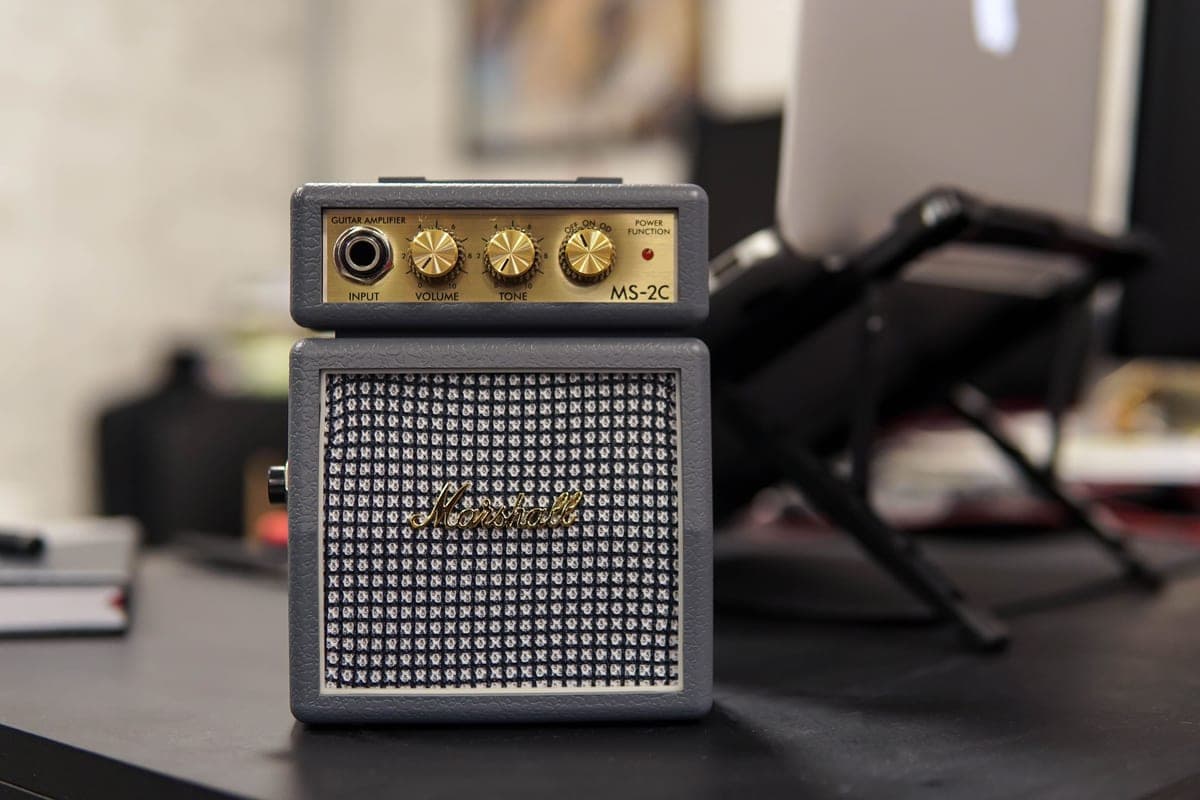
Best practice amps
Speaker size sets the ceiling and the headphone output decides the rest. Four practice amps on published specs.
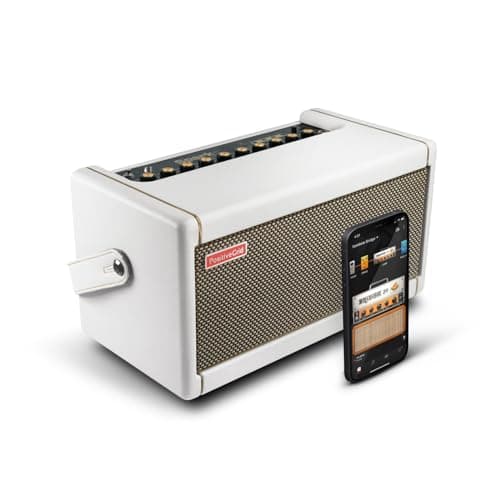
Best Practice Amp pick: Positive Grid Spark 40
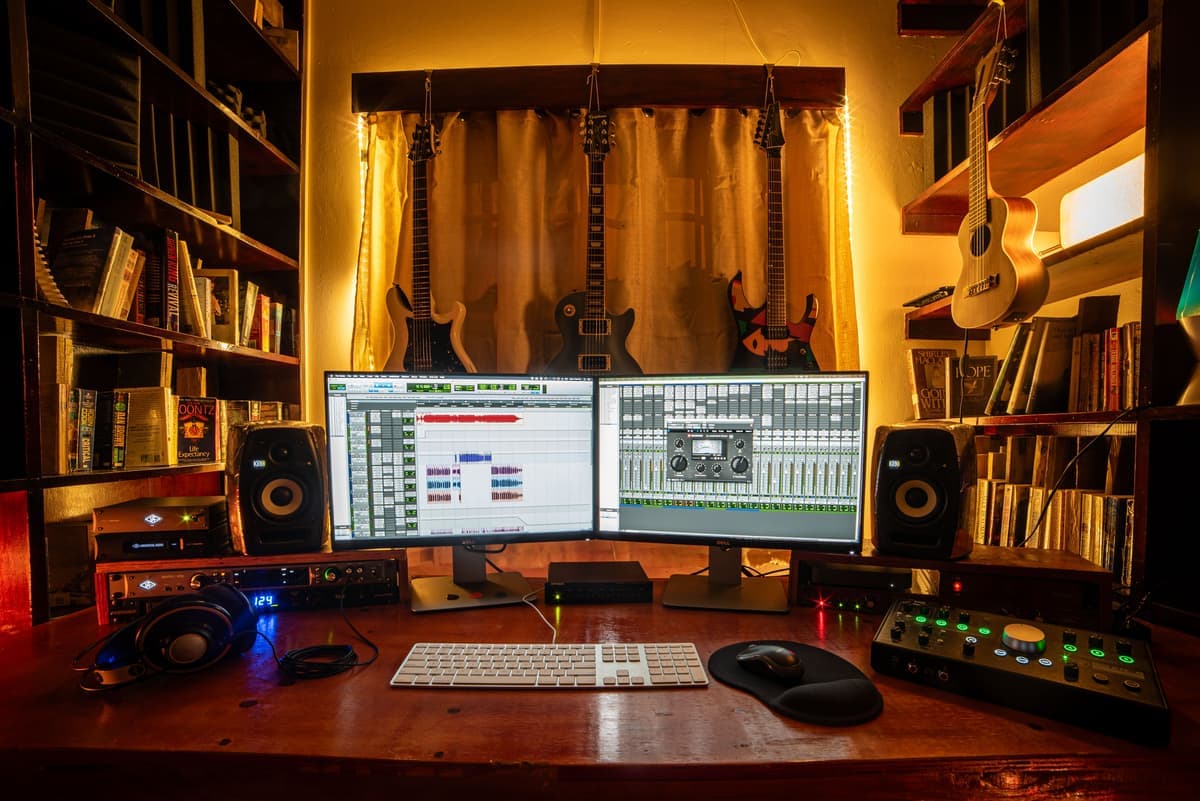
Practice amp vs audio interface
Sound in the room against sound in headphones. What each route publishes, and the one box that does both.
Top pick: Positive Grid Spark 40
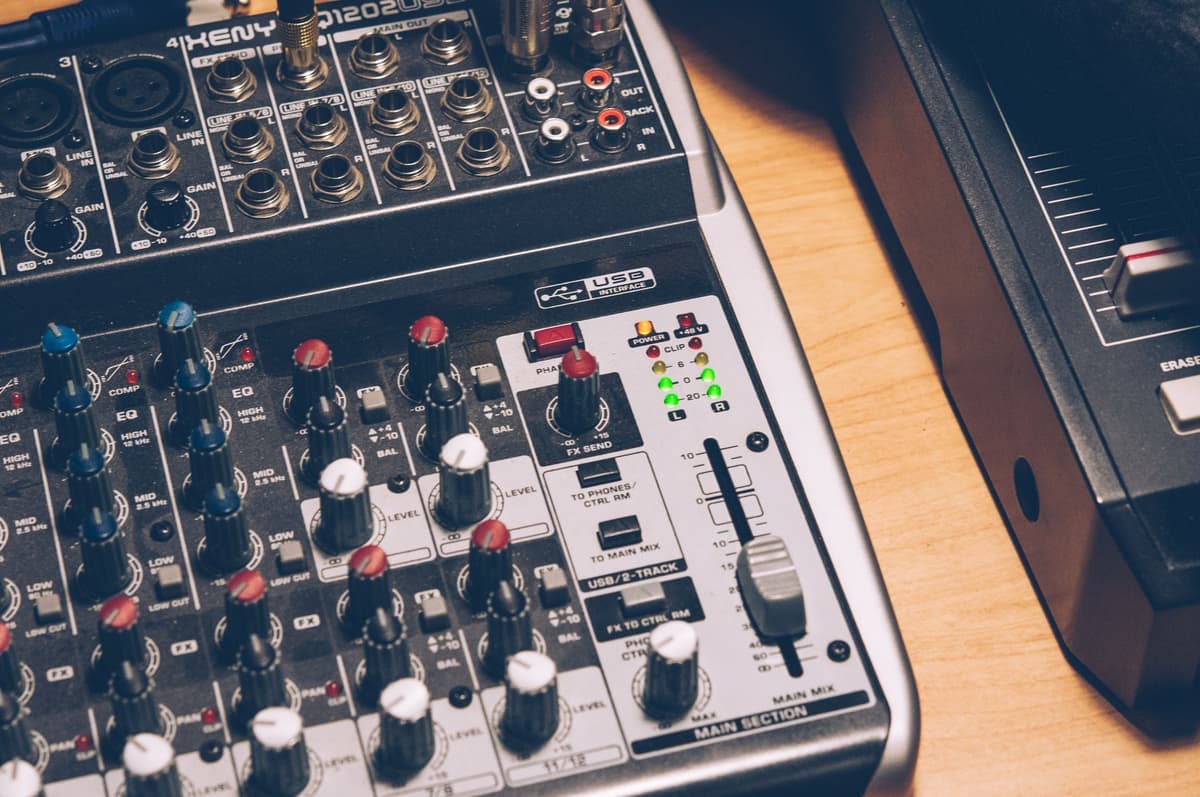
Can you plug guitar pedals into an audio interface?
Safe, and one category sounds wrong. The missing piece is cabinet simulation, not a better interface.
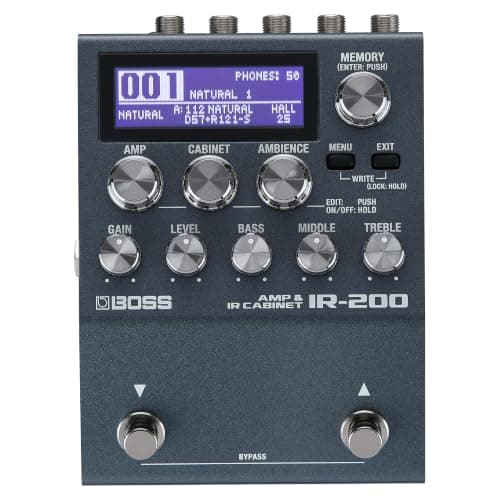
Top pick: BOSS IR-200 Amp & IR Cabinet
Positive Grid Spark 40 review
33 models, Bluetooth and a USB interface in a 5.2 kg box. Two 4-inch drivers decide everything it can and cannot do.
Top pick: Positive Grid Spark 40