Tube Screamer vs Blues Driver
The most useful comparison in the category, because the two pedals sit at opposite ends of the same decision: should the drive have a voice, or not?
Fret & Fuzz earns a commission when you buy through the links on this page. It costs you nothing and it does not decide what we rank. How we’re funded.
We have not played this gear. Every pick below is chosen from published manufacturer specifications and the arithmetic set out in how we research, which you can re-run yourself.
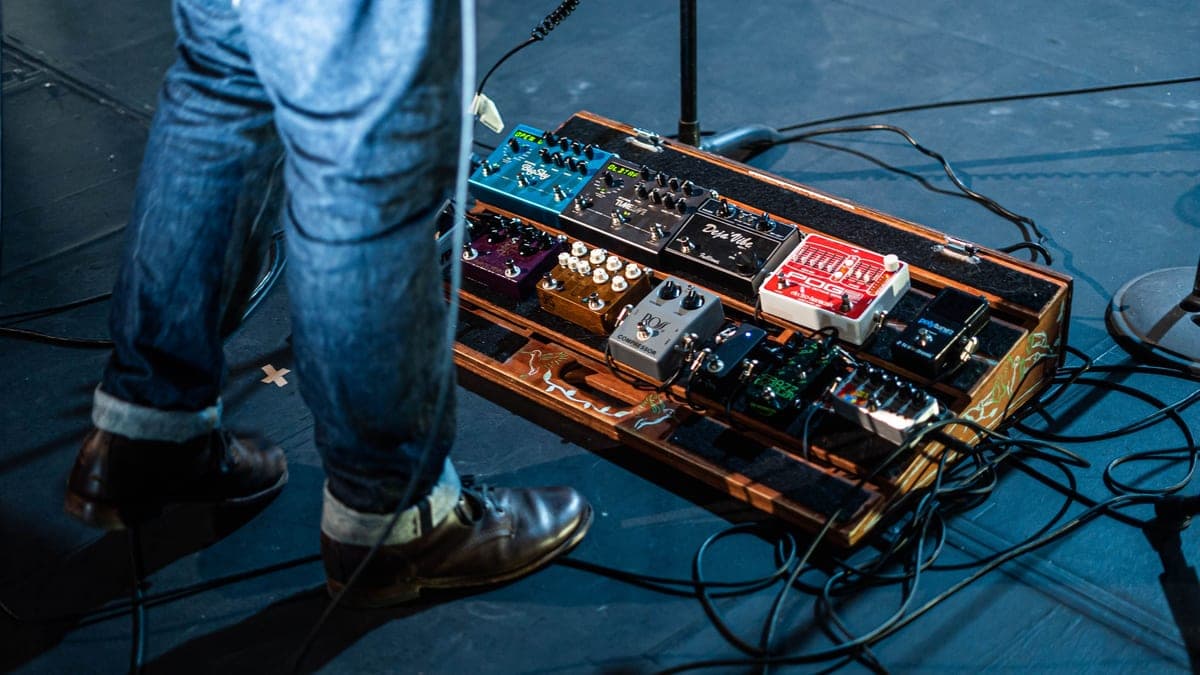
The Tube Screamer cuts bass, boosts mids and compresses — buy it to tighten an amp that is already breaking up, or as a lead boost that cuts through a mix. The Blues Driver stays flat and open and cleans up further on the guitar volume knob — buy it when you like your amp's clean tone and want it roughened rather than reshaped.
These two pedals cost similar money, occupy the same slot on a board, and are chosen between constantly. They are also more different from each other than most comparisons in this category, because they take opposite positions on the question of whether a drive pedal should have a voice.
Which one your amp wants
| # | Product | Best for | Price |
|---|---|---|---|
| 01 | 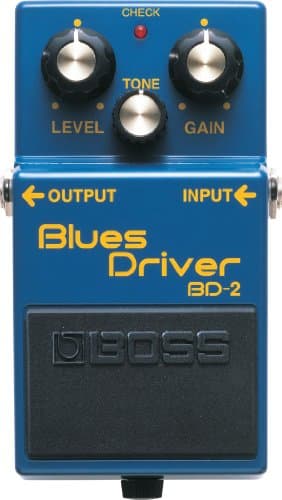 BOSS BD-2 Blues Driver Flat through the mids, open at the top, and it cleans up further on the volume knob. | An amp whose clean tone you already like | $109.99 · Check price #ad How we’re funded · price as of October 18, 2026 |
| 02 | 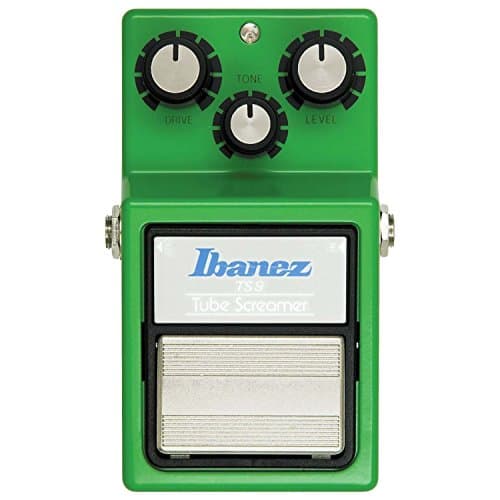 Ibanez TS9 Tube Screamer The bass cut and mid hump are a deliberate EQ move, and they are what makes a lead jump out. | An amp that already breaks up, or a solo that needs to cut | $99.99 · Check price #ad How we’re funded · price as of October 18, 2026 |
Rows link to the full write-up further down this page. Prices come from the live price layer only — where there is no live figure the button reads “Check price” rather than showing a remembered number.
02Published specifications, side by side
| Spec | Ibanez TS9 | BOSS BD-2 |
|---|---|---|
| Controls | Drive, Tone, Level | Gain, Tone, Level |
| Current draw | 8 mA at 9 V | 20 mA |
| Input impedance | Not published | 1 M ohm |
| Output impedance | Not published | 1 k ohm |
| Battery | One 9 V (006P) | 9 V 6F22 or 6LR61 |
| Bypass | Buffered | Buffered |
| Size | Not published | 73 x 129 x 59 mm |
| Weight | Not published | 360 g |
Ibanez publishes current draw and power requirements but not impedance or physical dimensions. BOSS publishes all of it. That difference is worth noting when you are planning a board.
03Where the tonal difference comes from
In the TS9, the clipping diodes sit inside the op amp's feedback loop. The loop's gain is frequency-dependent by design, so the same circuit that clips also shapes: bass is reduced going into the clipping stage and mids come out ahead. The clipping itself is symmetrical, which produces a more compressed, more even result.
The BD-2 does not use that arrangement. Its gain comes from discrete stages and the frequency response is much flatter through the mids, with a top end that BOSS's own material describes as staying out of the way of a bright guitar. Less compression means more dynamic range, which is why it responds more to how hard you pick.
BOSS BD-2 Blues Driver
An amp whose clean tone you already like
The number1 M ohm in, 1 k ohm out, 20 mA — twice the TS9's draw and still trivial.
The BD-2 gets its gain from discrete stages rather than from diodes inside an op-amp feedback loop. The result is less compressed and flatter across the frequency range, with a top end that stays open rather than being rolled off.
That makes it the better choice if your amp's clean tone is the sound you want, roughened. It is also the more responsive of the two to picking dynamics and to your guitar's volume control.
It is not a solo boost. There is no mid hump to push you forward in a mix, and turning the Level up just makes everything louder rather than more present.
| Controls | Gain, Tone, Level, pedal switch |
|---|---|
| Input impedance | 1 M ohm |
| Output impedance | 1 k ohm |
| Current draw | 20 mA |
| Power | 9 V battery (6F22 / 6LR61) or PSA-series adaptor |
| Size / weight | 73 x 129 x 59 mm, 360 g |
| What it does not do | No adaptor in the box, no true bypass, and no mid control. The BD-2 is deliberately flat through the mids — if you want a mid hump to push a solo, this is the wrong pedal. |
Specs from BOSS BD-2 specifications. We have not used this unit.
#ad How we’re funded · price as of October 18, 2026
Ibanez TS9 Tube Screamer
An amp that already breaks up, or a solo that needs to cut
The number8 mA at 9 V. Ibanez publishes no impedance figures.
The TS9 does three things at once: cuts bass, boosts mids, and compresses by clipping symmetrically. In front of an amp that is already distorting, all three help — the amp gets a tighter, more focused signal and stops sounding loose.
It is also the better lead boost, because pushing mids is exactly how you occupy the frequency range a mix has room in. A flat boost makes you louder; a mid boost makes you audible.
Into a clean amp it is thin, and that is not a fault. It was never designed to be the source of the distortion.
| Controls | Drive, Tone, Level |
|---|---|
| Current draw | 8 mA at 9 V |
| Power | One 9 V battery (006P) or a 9 V DC center-negative adapter |
| Jack layout | Input on the right side, output on the left |
| Impedance | Not published by Ibanez |
| What it does not do | No power supply in the box, no true bypass (the TS9 is buffered), and no bass control — the tone stack is a single treble-tilt knob over a fixed mid hump. |
Specs from Ibanez TS9 product page. We have not used this unit.
#ad How we’re funded · price as of October 18, 2026
04Who each is wrong for
- The TS9 is wrong if your amp stays clean and you wanted the pedal to be the distortion. You will hear the mid hump and the missing low end and nothing underneath it.
- The TS9 is wrong on a down-tuned or baritone guitar, where the bass cut removes the register you were playing in.
- The BD-2 is wrong if you want a lead boost. Flat is the opposite of what cutting through a mix needs.
- The BD-2 is wrong if your amp is loose and flubby when overdriven. It will not tighten anything — it does not remove the bass that is causing the problem.
- Both are wrong if you want high gain. Neither is a distortion pedal; see best distortion pedals.
05Stacking them
BD-2 into TS9 is the better order if you use both, because the BD-2 provides a full-range dirty signal and the TS9 then focuses it. The reverse gives the BD-2 an already-narrowed signal to work with and mostly just adds level.
If you are choosing between them for a first drive and your amp is a clean solid-state combo, consider a third option: a pedal with switchable clipping like the EarthQuaker Plumes covers both behaviors in one slot. If the real question is which BOSS drive rather than which brand, BOSS overdrive compared covers the BD-2 against the SD-1 and the OD-3. Both pedals are also the two poles of the blues drive question — best pedals for blues covers which of them your amp wants.
Frequently asked questions
+ Is the Blues Driver a Tube Screamer clone?
+ Which is better for blues?
+ Which one cleans up better on the guitar volume knob?
+ Do either of them work as a boost?
Sources
Related on Fret & Fuzz
BOSS overdrive compared: BD-2 vs SD-1 vs OD-3
Three circuits, not three price points. What BOSS publishes for each, and which one your amp actually wants.
Best BOSS Overdrive pick: BOSS BD-2 Blues Driver
#ad How we’re funded · price as of October 18, 2026
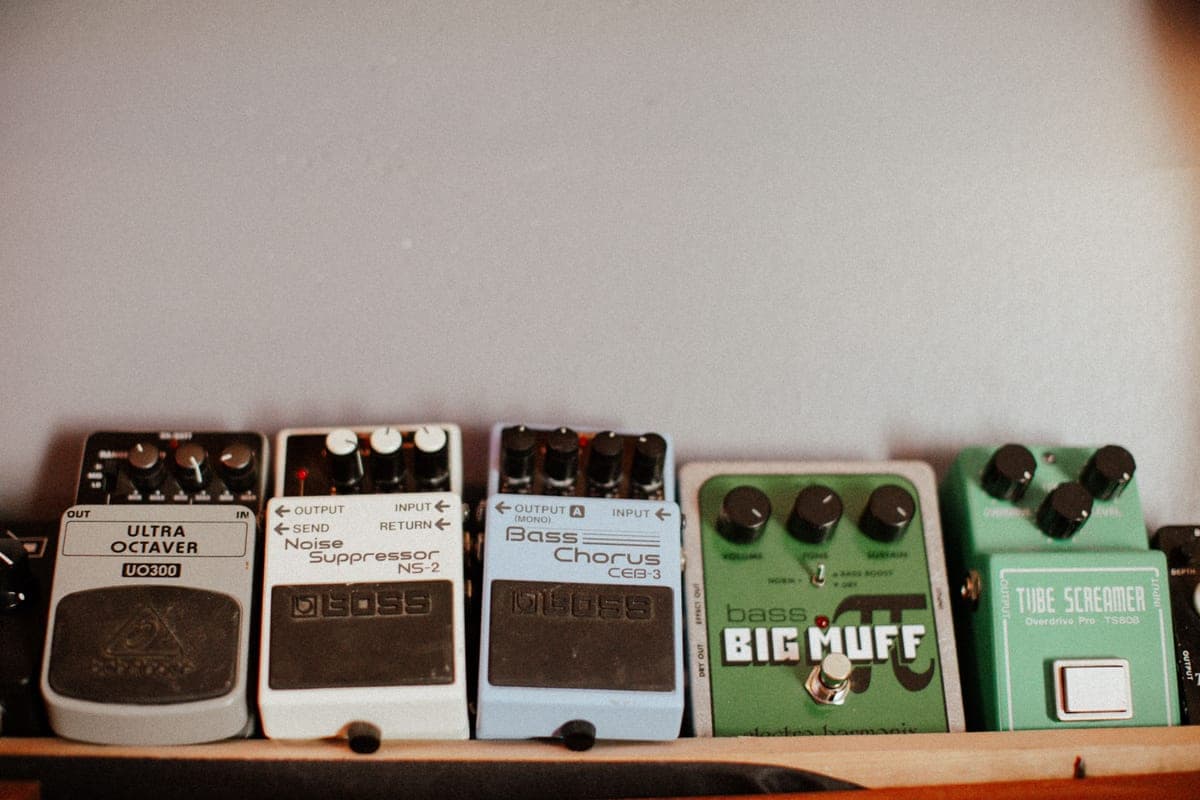
Best overdrive pedals
Six overdrives sorted by circuit family, with the published clipping topology and impedance figures that separate them.
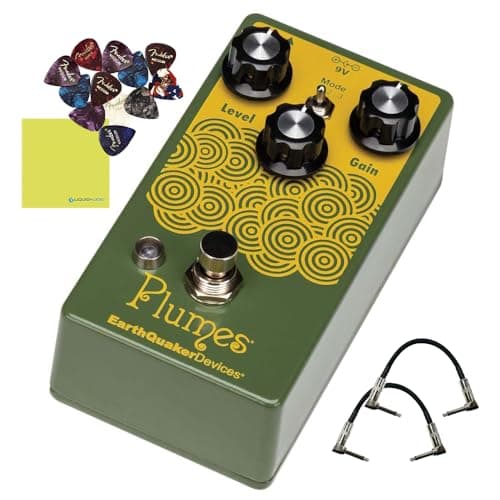
Best Overdrive pick: EarthQuaker Devices Plumes
Tube Screamer vs Klon
One clips your whole signal; the other mixes a clean path back in. Everything people argue about follows from that.
Top pick: Ibanez TS9 Tube Screamer
#ad How we’re funded · price as of October 18, 2026
Overdrive vs boost
A boost has three different results depending on what follows it. Work out which case you are in before you buy one.
Top pick: EarthQuaker Devices Plumes
Tube Screamer models compared
Which Tube Screamer differences are real, which are folklore, and the one that actually changes how you use the pedal.
Top pick: Ibanez TS9 Tube Screamer
#ad How we’re funded · price as of October 18, 2026