Best wah pedals
The oldest effect on most boards, and the one where the specification everybody talks about matters least.
Fret & Fuzz earns a commission when you buy through the links on this page. It costs you nothing and it does not decide what we rank. How we’re funded.
We have not played this gear. Every pick below is chosen from published manufacturer specifications and the arithmetic set out in how we research, which you can re-run yourself.
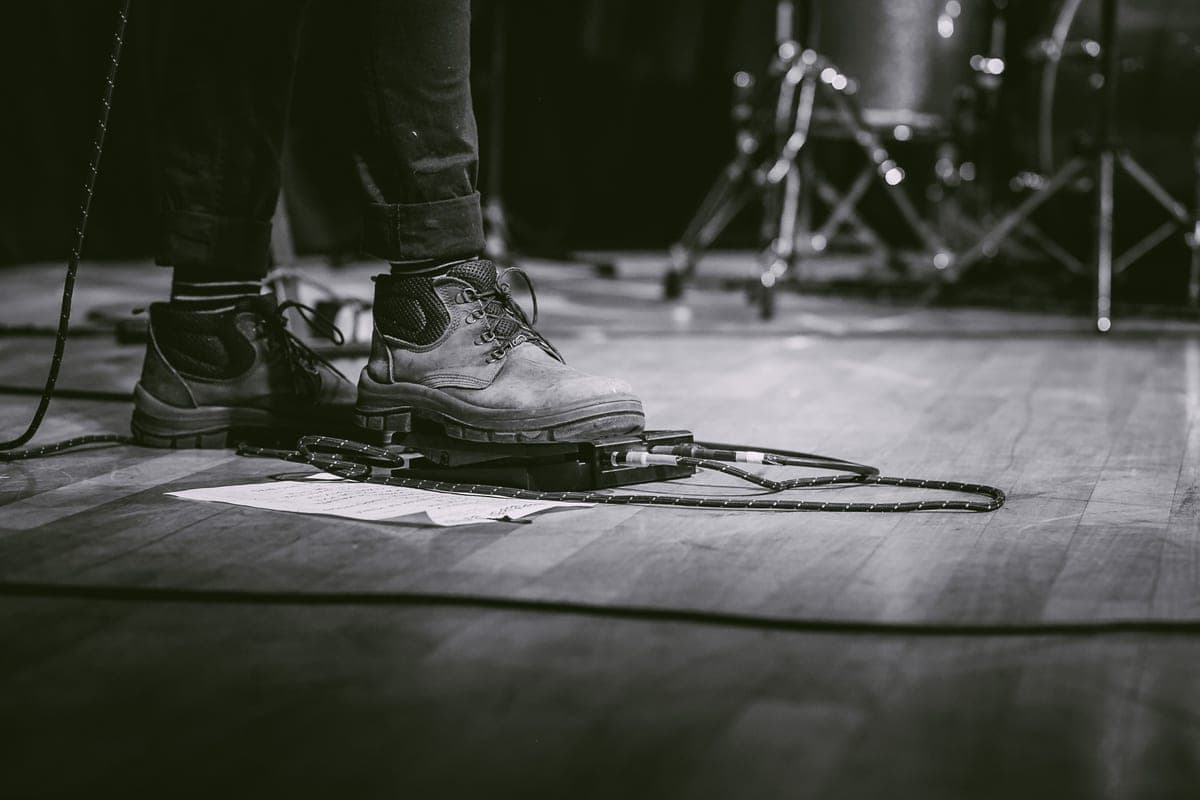
A wah is a resonant filter whose peak frequency you sweep with a treadle. Buy the Dunlop Cry Baby GCB95 for the reference sound, the Cry Baby Mini if your board is tight or you run a vintage-style fuzz — it is the only true-bypass pedal here — and the VOX V847-A for a different voice, provided nothing on your board needs an unbuffered input in front of it.
Wah is one of the few effects where two nearly identical-looking pedals behave differently in your chain for reasons that have nothing to do with how they sound on their own. The bypass type is the specification to check first.
01The criteria, before any product
| Criterion | Why it matters | What to look for |
|---|---|---|
| Bypass type | Decides whether the pedal affects your tone when it is off, and whether a fuzz after it still works | True bypass on the Cry Baby Mini; buffered on the V847-A; neither on the GCB95 |
| Inductor | The component most responsible for the character of the sweep | A Fasel inductor, or a published statement about what it was voiced against |
| Treadle length | Longer travel means finer control and easier parking mid-sweep | Full size unless board space forbids it |
| Switch mechanism | It is under your foot, at full body weight, for years | A toe-end treadle switch in a die-cast housing |
| Footprint | A full-size wah is roughly two compact pedals wide | Published dimensions, and measure your board |
| Power | None of these include a supply | A 9 V output on your existing brick, or a battery |
Best wah pedals
| # | Product | Best for | Price |
|---|---|---|---|
| 01 | 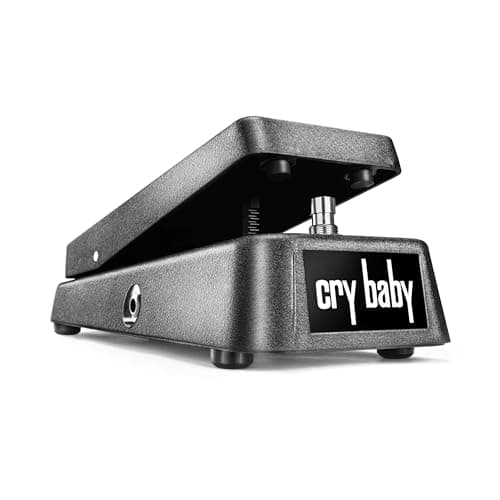 Dunlop Cry Baby Standard Wah GCB95 A red Fasel inductor in a full-size die-cast housing — the reference point every other wah gets described against. | The default, and the sound most people mean | $99.99 · Check price #ad How we’re funded · price as of October 20, 2026 |
| 02 | 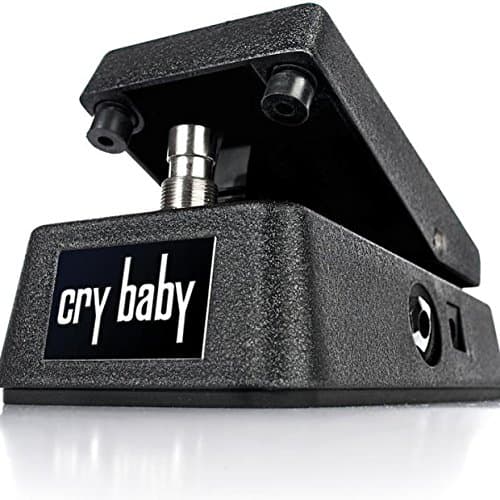 Dunlop Cry Baby Mini Wah CBM95 True bypass, three internally selectable voicings, and half the footprint of the standard. | A crowded board, and the only one here with a bypass answer | |
| 03 | 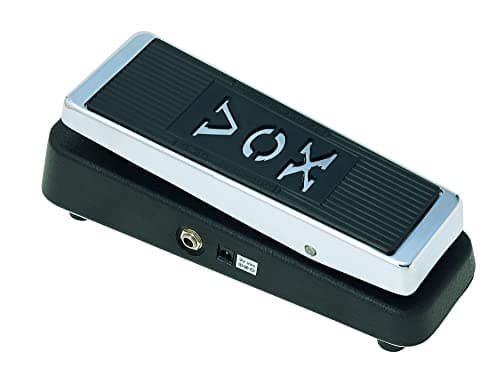 VOX V847-A Wah A buffered input, and an inductor VOX states was redesigned closer to the original Vox specification. | A board with no fuzz on it | $149.95 · Check price #ad How we’re funded · price as of October 20, 2026 |
| ! | 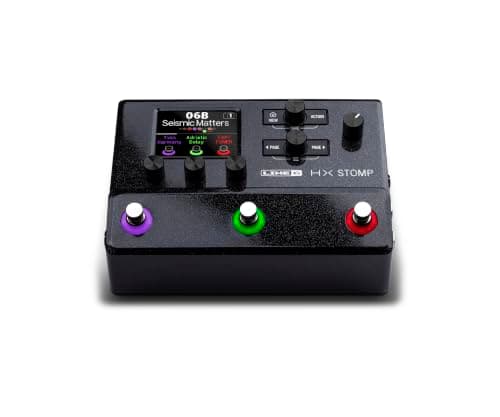 Line 6 HX Stomp It models wahs convincingly and cannot sweep one without an expression pedal you also have to buy. Skip this one — see why below | Not a wah purchase, despite already containing several | $599.99 · Check price #ad How we’re funded · price as of October 20, 2026 |
Rows link to the full write-up further down this page. Prices come from the live price layer only — where there is no live figure the button reads “Check price” rather than showing a remembered number.
03What a wah actually does
It is a bandpass filter with a resonant peak, and the treadle moves that peak up and down through the midrange. Everything above and below the peak is attenuated, which is why a wah parked at one position works as a mid boost — you are hearing a narrow band of your signal much louder than the rest.
That framing explains most of what a wah does in a mix. It is a midrange tool, and the midrange is where a guitar competes with everything else, so a wah is one of the most effective ways to make a part audible without turning up. It is also why a wah into a scooped distortion works better than either sounds alone — the wah is putting back the mids the distortion removed. Best distortion pedals covers which ones scoop.
Dunlop Cry Baby Standard Wah GCB95
The default, and the sound most people mean
This is the pedal that defines the category, and buying it means you are not guessing at what a wah is supposed to sound like. Dunlop publishes the red Fasel inductor and the die-cast housing, and the treadle-actuated switch at the toe end is the mechanism that has survived unchanged for decades because it works.
The full-size treadle is a real advantage over the mini versions: more travel means finer control over where in the sweep you stop, and stopping mid-sweep to park the filter as a fixed mid boost is a technique the shorter treadle makes harder.
The cons are two, and one of them is serious. It is not true bypass, so it is in your signal path when it is off — in front of a vintage-style fuzz, that changes the fuzz. The housing also takes roughly the footprint of two compact pedals, and no power supply is included. Dunlop publishes no electrical data at all, so you cannot budget a supply output for it without measuring.
| Inductor | Red Fasel inductor |
|---|---|
| Format | Full-size rocker treadle in a die-cast housing |
| Switching | Treadle-actuated switch at the toe end |
| Power | 9 V battery, Dunlop ECB003 adapter, or a DC Brick / Iso-Brick supply (not included) |
| Electrical data | No current-draw or impedance figure is published for this pedal, so none is stated here. |
| What it does not do | It is not true bypass, so it is in your signal path when it is off — which matters in front of a vintage fuzz. No supply included, and the full-size housing takes roughly the footprint of two compact pedals. |
Specs from Dunlop Cry Baby Standard Wah (GCB95) product page. We have not used this unit.
#ad How we’re funded · price as of October 20, 2026
Dunlop Cry Baby Mini Wah CBM95
A crowded board, and the only one here with a bypass answer
Half the size of the standard Cry Baby, with a Fasel inductor and — critically — true bypass switching, which makes it the only pedal on this page that stays out of your signal path when it is off. On a board that also carries a vintage-style fuzz, that single specification decides the purchase.
The three internal voicings are Low, Vintage and GCB95, so you can set it to the standard sound and forget it, or move it darker. Getting three characters out of one enclosure at this footprint is genuinely useful on a board where the wah is the biggest thing on it.
The cons: the voicings are set with an internal switch, so changing one means opening the pedal — this is not a front-panel control, and you will pick one and leave it. The shorter treadle also gives less travel, which makes precise parking harder. As with the standard, Dunlop publishes no electrical figures.
| Inductor | Fasel inductor |
|---|---|
| Voicings | Three internally adjustable voicings — Low, Vintage and GCB95 |
| Bypass | True bypass switching |
| Size | Half the size of a standard Cry Baby |
| Power | 9 V battery, Dunlop ECB003 adapter, or a DC Brick / Iso-Brick supply (not included) |
| Electrical data | No current-draw or impedance figure is published for this pedal, so none is stated here. |
| What it does not do | The voicings are set with an internal switch, so changing one means opening the pedal — this is not a front-panel control. The shorter treadle also gives you less travel, which some players find harder to control precisely. |
Specs from Dunlop Cry Baby Mini Wah (CBM95) product page. We have not used this unit.
VOX V847-A Wah
A board with no fuzz on it
The numberOver 100 hours of battery life, and 102 x 252 x 75 mm.
VOX states the inductor was redesigned to sit closer to the original Vox wah specification, which is the reason to consider this over the Dunlop: it is a different voice rather than a cheaper version of the same one. The separate INST, AMP and DC jacks and the published 102 x 252 x 75 mm footprint make it straightforward to plan for.
VOX also publishes over 100 hours of continuous battery use on a manganese battery. That is the longest figure on this page and unusual to see published at all.
The con is the buffered input, and it is not a small one. VOX states the buffer preserves the unprocessed tone when the pedal is off, which answers the tone-suck complaint — and a buffer in front of a vintage-style fuzz removes the pickup interaction that lets the fuzz clean up on your guitar volume. If you run a Fuzz Face, this is the wrong wah unless it goes after the fuzz. Fuzz and buffers is the page for that.
| Input | Buffered input jack, which VOX states preserves the unprocessed tone when the pedal is off |
|---|---|
| Inductor | VOX states the inductor was redesigned closer to the original Vox wah specification |
| Jacks | INST, AMP and DC input |
| Power | One 9 V battery (6F22 / S-006P) or a DC adapter |
| Battery life | Over 100 hours of continuous use on a manganese battery |
| Size | 102 x 252 x 75 mm |
| What it does not do | The buffered input is the specification to notice: a buffer in front of a vintage-style fuzz removes the pickup interaction that lets the fuzz clean up on your volume knob. If you run a Fuzz Face, this is the wrong wah unless it goes after the fuzz. |
Specs from VOX V847-A Wah product page. We have not used this unit.
#ad How we’re funded · price as of October 20, 2026
Line 6 HX Stomp
Not a wah purchase, despite already containing several
We are not picking this, and the reason is specific to wah rather than general. For most effects, the argument that your multi-effects unit already has one is a real argument against a dedicated pedal. For wah it mostly is not.
A wah is a filter you sweep with your foot in real time. An HX Stomp models the filter well — that part is not the problem — but it has three footswitches and no treadle, so making the model usable means buying an expression pedal and a TRS cable. At that point you have spent wah money on something that is not a wah, and taken up the board space anyway.
The exception is a player who already owns an expression pedal for volume or for delay mix. If the treadle is on the board for another reason, assigning wah to it costs nothing. Best multi-effects covers the units themselves.
| Simultaneous blocks | Up to six simultaneously |
|---|---|
| Models | Over 300 amps, cabs and effects from the Helix family, with IR loading |
| Power | 9 V DC center-negative, DC-3 supply (3 A) included |
| Display / switches | 2.4" color LCD; three capacitive-touch footswitches with LED rings |
| Audio interface | 24-bit / 96 kHz multi-channel USB audio |
| Format | Compact pedalboard unit with stereo I/O and an effects loop |
| What it does not do | It asks for 3 A at 9 V. No standard isolated pedalboard brick output supplies that, so it needs its own supply — this is the mistake people make when they add one to an existing board. |
Specs from Line 6 HX Stomp owner's manual. We have not used this unit.
04The order problem, and why it has no clean answer
Conventional order is wah first, then fuzz. That is where most records put it and it gives the most dramatic result, because the fuzz is amplifying an already-filtered signal and the sweep is exaggerated by the distortion.
It is also the order that causes the classic problem. A vintage-style fuzz expects to see your pickups directly, and a wah's output impedance in front of it produces oscillation, thinness, or a sweep that goes silent at the heel. If that happens, the fix is to put the wah after the fuzz — you lose some of the drama and you get a usable pedal.
05Two techniques worth more than a better pedal
- Park it. Stop the treadle at the position where the part cuts through, and leave it. This is the single most common professional use of a wah, and it is invisible to anyone who thinks a wah is only for sweeping.
- Sweep to the note, not to the beat. A wah locked to eighth notes turns into a rhythmic novelty in about four bars. Moving it to emphasize specific notes in a phrase is what makes it sound like playing rather than like an effect.
06What none of them include
A power supply. All three run on a 9 V battery or an adaptor and none ships with one, so budget a spare output on your brick or expect to be changing batteries. Two of the three also publish no current-draw figure at all, which means you cannot size that output precisely — in practice a wah is an analog filter and its draw is small, but the honest position is that Dunlop does not publish it.
Pedalboard power requirements covers how to budget a supply around pedals that publish nothing.
Frequently asked questions
+ What is the best wah pedal?
+ Does a wah go before or after fuzz?
+ Which wah pedals are true bypass?
+ Do I need a full-size wah or is a mini fine?
Sources
Related on Fret & Fuzz
Best EQ pedals
Bands, decibel range and supply voltage. Three EQs compared, plus the 18 V requirement that strands power plans.
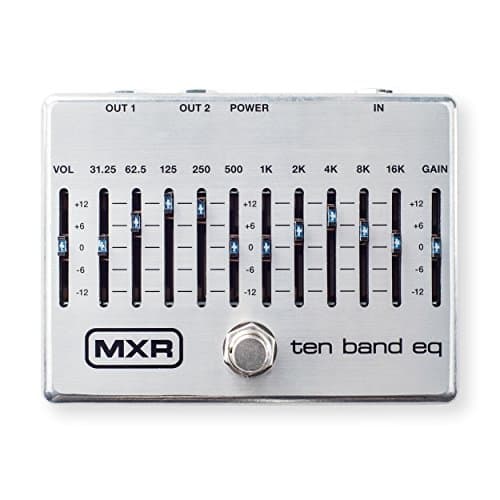
Best EQ Pedal pick: MXR 10 Band EQ
#ad How we’re funded · price as of October 20, 2026
Fuzz and buffers: why your fuzz sounds wrong
The most common fuzz complaint has one cause and a one-move fix. The mechanism, and which pedals are buffered.
Top pick: Korg Pitchblack Chromatic Tuner
Best fuzz pedals
Input impedance predicts your fuzz experience better than any adjective. Five fuzzes compared on the published figures.
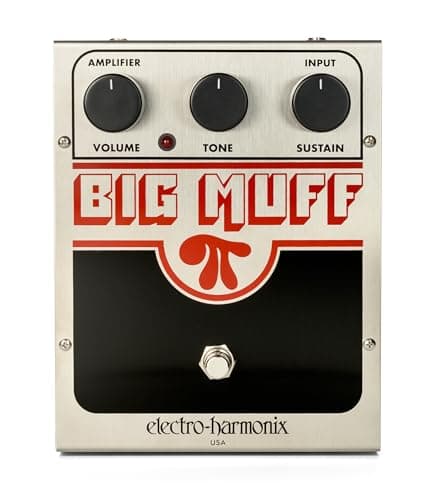
Best Fuzz pick: Electro-Harmonix Big Muff Pi
#ad How we’re funded · price as of October 20, 2026
Pedal order: what changes and what does not
Two placements are load-bearing and the rest are preference. Which is which, and the impedance figures behind the first one.
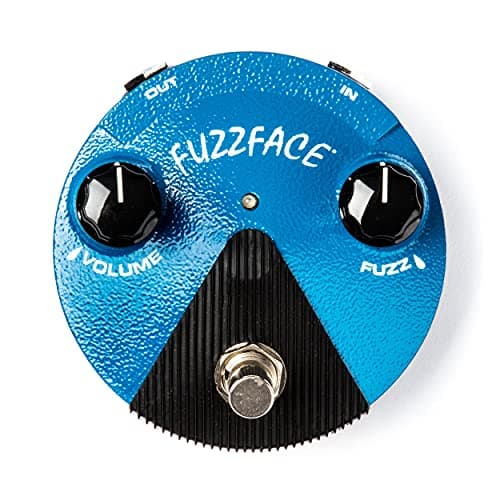
Top pick: Dunlop Fuzz Face Mini Silicon
#ad How we’re funded · price as of October 20, 2026
Buffer vs true bypass
A trade-off, not an upgrade. What a buffer fixes, when it hurts, and a five-question rule for deciding.
Top pick: BOSS TU-3 Chromatic Tuner