Compressor vs noise gate
Two pedals sold as dynamics processors that do precisely opposite things to the quiet part of your signal.
Fret & Fuzz earns a commission when you buy through the links on this page. It costs you nothing and it does not decide what we rank. How we’re funded.
We have not played this gear. Every pick below is chosen from published manufacturer specifications and the arithmetic set out in how we research, which you can re-run yourself.

They do opposite things to the quiet part of your signal. A compressor lifts quiet sounds toward the loud ones, which makes uneven picking even and also makes hiss louder. A noise gate mutes everything below a threshold, which removes hiss between phrases and does nothing about noise you can hear while a note is ringing. If your problem is uneven playing, buy the compressor. If it is hiss in the gaps at high gain, buy the gate. Buying the compressor for a noise problem makes it worse.
These get shelved together and described with the same word — dynamics — which is how people end up with the wrong one. The distinction is simple once stated and almost never stated.
01What each one does to the quiet part of your signal
| Compressor | Noise gate | |
|---|---|---|
| What it does to quiet signals | Raises them | Mutes them below a threshold |
| What it does to hiss | Makes it louder | Removes it between phrases |
| What it does to sustain | Extends it | Can cut the tail of a note short |
| The problem it solves | Uneven picking; notes that die early | Noise floor amplified by high gain |
| Where it sits | Early, before the drives | Often using a send/return loop around the dirt |
| Effect on dynamic range | Narrows it deliberately | Leaves it alone above the threshold |
| Helps with hum under a held note | No — makes it worse | No — the gate is open while you play |
Read the last row twice, because it is the most expensive misunderstanding in this category. Neither of these pedals fixes a hum you can hear underneath a note you are playing. That is a power or shielding fault — your pedalboard hums sorts the five faults that all get called the same thing.
Which one do you need
| # | Product | Best for | Price |
|---|---|---|---|
| 01 | 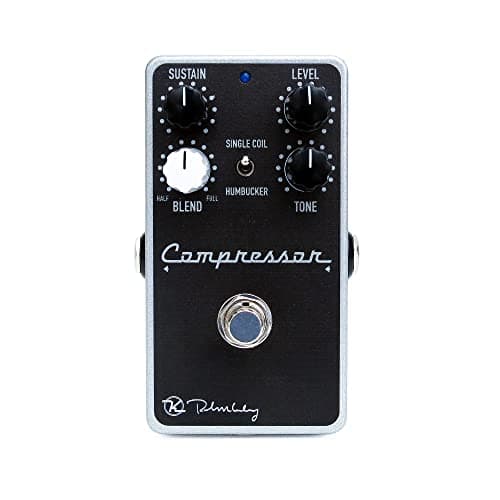 Keeley Compressor Plus Lifts the quiet parts toward the loud ones, with a blend control so the attack survives. | Quiet notes that should be louder | $149.00 · Check price #ad How we’re funded · price as of October 17, 2026 |
| 02 | 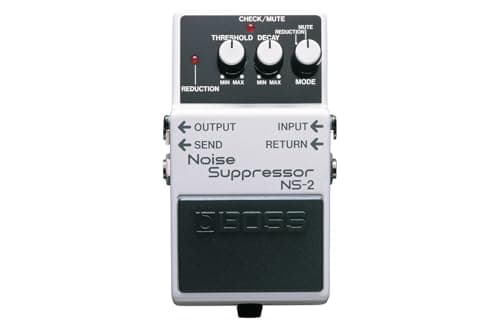 BOSS NS-2 Noise Suppressor Mutes your output when you stop playing, with a send/return loop so the gate can watch your clean signal. | Hiss in the gaps between phrases | $120.99 · Check price #ad How we’re funded · price as of October 17, 2026 |
Rows link to the full write-up further down this page. Prices come from the live price layer only — where there is no live figure the button reads “Check price” rather than showing a remembered number.
03Why the compressor makes noise worse
A compressor narrows the gap between loud and quiet. Whatever it does to a quiet note it also does to a quiet noise, because the circuit cannot tell them apart — it is responding to level, not to meaning.
So a hiss that sat harmlessly below your playing comes up with everything else, and the more compression you use the more audible it becomes. This is why compressor and gate turn up on the same boards: the compressor creates or exposes the noise problem the gate then manages. They are not alternatives so much as a sequence.
Keeley Compressor Plus
Quiet notes that should be louder
The number10 mA, true bypass, 100% analog. Published by Keeley.
A compressor reduces the distance between your loudest and quietest notes, and the way it is normally used, it does that by bringing the quiet ones up. If some notes jump out and others vanish, that is the tool.
The blend control is what makes it usable at strong settings: the dry transient passes at full strength while the compressed signal fills in behind, so notes still sound picked. The Release switch has two positions Keeley tunes for single coils or humbuckers.
The cons: no attack knob and release is a switch rather than a continuous control, Keeley publishes no impedance figures, and — the part that matters on this page — it makes hiss louder, not quieter. Compression lifts quiet signals, and noise is a quiet signal.
| Controls | Sustain, Level, Blend and Tone knobs, plus a Release switch |
|---|---|
| Release switch | Two positions, which Keeley describes as tuned for single coils or humbuckers |
| Blend | Mixes the compressed signal against the dry signal for parallel compression |
| Current draw | 10 mA |
| Power | 9 V DC, center negative; Keeley also lists battery operation |
| Bypass | True bypass |
| Circuit | 100% analog |
| What it does not do | No attack knob, and release is a two-position switch set for pickup type rather than a continuous control — the blend knob is how you keep the transient, not a time constant. Keeley publishes the current draw but no impedance figures. |
Specs from Keeley Compressor Plus product page. We have not used this unit.
#ad How we’re funded · price as of October 17, 2026
BOSS NS-2 Noise Suppressor
Hiss in the gaps between phrases
The number25 mA, with Input, Output, Send, Return, DC IN and a 9 V DC OUT.
A gate does the opposite: it mutes your signal when you are not playing. That is a genuine fix for high-gain hiss between phrases, and no fix at all for a hum you can hear underneath a held note — the gate is open while you play.
The send/return loop is the feature worth buying it for and the one most owners never wire up. Put your dirt pedals inside the loop and the gate decides from your clean guitar signal when you are playing, while muting the noisy chain's output. Used as a simple in/out pedal it has to make that decision from an already-distorted signal, which is why it then chops sustain.
The cons: BOSS is explicit that it suppresses rather than removes, so a constant hum survives it. The simple configuration audibly shortens sustain. And it is another box plus two more patch cables in a chain you are trying to quieten.
| Controls | Mode switch, Decay, Threshold, pedal switch |
|---|---|
| Jacks | Input, Output, Send, Return, DC IN, 9 V DC OUT |
| Send/Return loop | Lets the gate listen to the guitar directly while muting the output of the noisy pedals |
| Circuit | VCA with a high-speed envelope detector |
| Current draw | 25 mA |
| Weight | 415 g including battery |
| What it does not do | It suppresses noise, it does not remove it — a gate cannot clean up a hum you can hear through a held note. Used in the simple in/out configuration it also cuts your sustain, which is why the send/return loop exists. |
Specs from BOSS NS-2 specifications. We have not used this unit.
#ad How we’re funded · price as of October 17, 2026
04Diagnose before you buy
- Some notes jump out, others vanish. Dynamic range. Compressor.
- Hiss between phrases, worse with more gain. Noise floor. Gate, ideally using its send/return loop.
- Sustained notes die before the phrase ends. Compressor.
- A hum you can hear under a held note. Neither. Power or pickups.
- Clean parts sound uneven and lifeless in a recording. Compressor, with a blend control so the attack survives.
- High-gain rig that roars between songs. Gate.
05Do you need both
On a clean or moderately driven board, almost never. A compressor alone is the common case, and at those gain levels there is little noise to gate — a gate would mostly clip the tails of your notes for no benefit.
On a high-gain board, frequently yes, and in that order. The compressor does its job in front of the dirt, the dirt amplifies everything including the noise floor, and the gate manages what comes out. Best compressor pedals and best noise gates cover the two categories, and best pedals for metal is the context where the gate is the first purchase rather than the last. Once you have established that a gate is what you need, ISP Decimator X vs BOSS NS-2 is the head-to-head between the two that matter.
Frequently asked questions
+ What is the difference between a compressor and a noise gate?
+ Will a compressor reduce noise?
+ Do I need both a compressor and a noise gate?
+ Will a noise gate fix a humming pedalboard?
Sources
Related on Fret & Fuzz
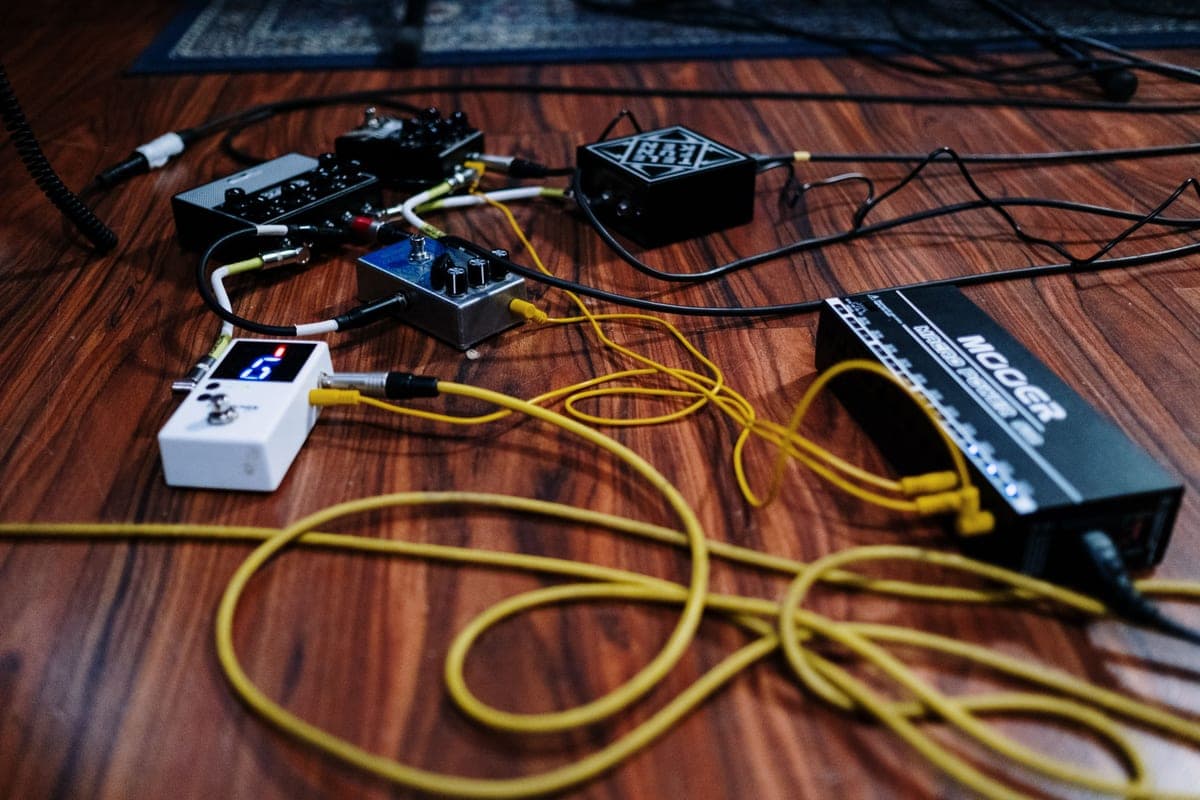
Best compressor pedals
Blend is the control that decides whether a compressor squashes or supports. Three compressors compared on what they do and do not have.
Best Compressor pick: Keeley Compressor Plus
#ad How we’re funded · price as of October 17, 2026

ISP Decimator X vs BOSS NS-2
One gates what passes through it; the other can listen to your guitar and mute everything else. The loop decides it.
Top pick: BOSS NS-2 Noise Suppressor
#ad How we’re funded · price as of October 17, 2026
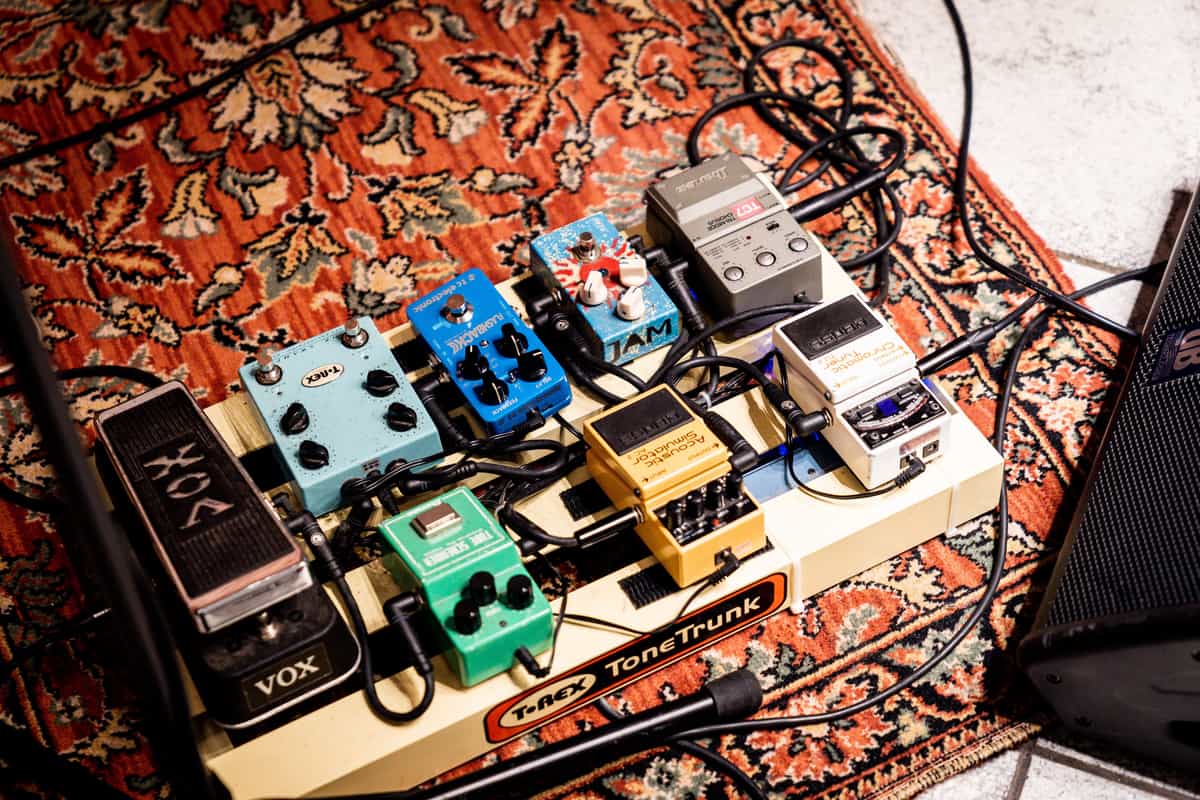
Best noise gate pedals
Which signal the gate listens to is the entire specification. Three gates compared, and the wiring that makes one of them work.
Best Noise Gate pick: BOSS NS-2 Noise Suppressor
#ad How we’re funded · price as of October 17, 2026
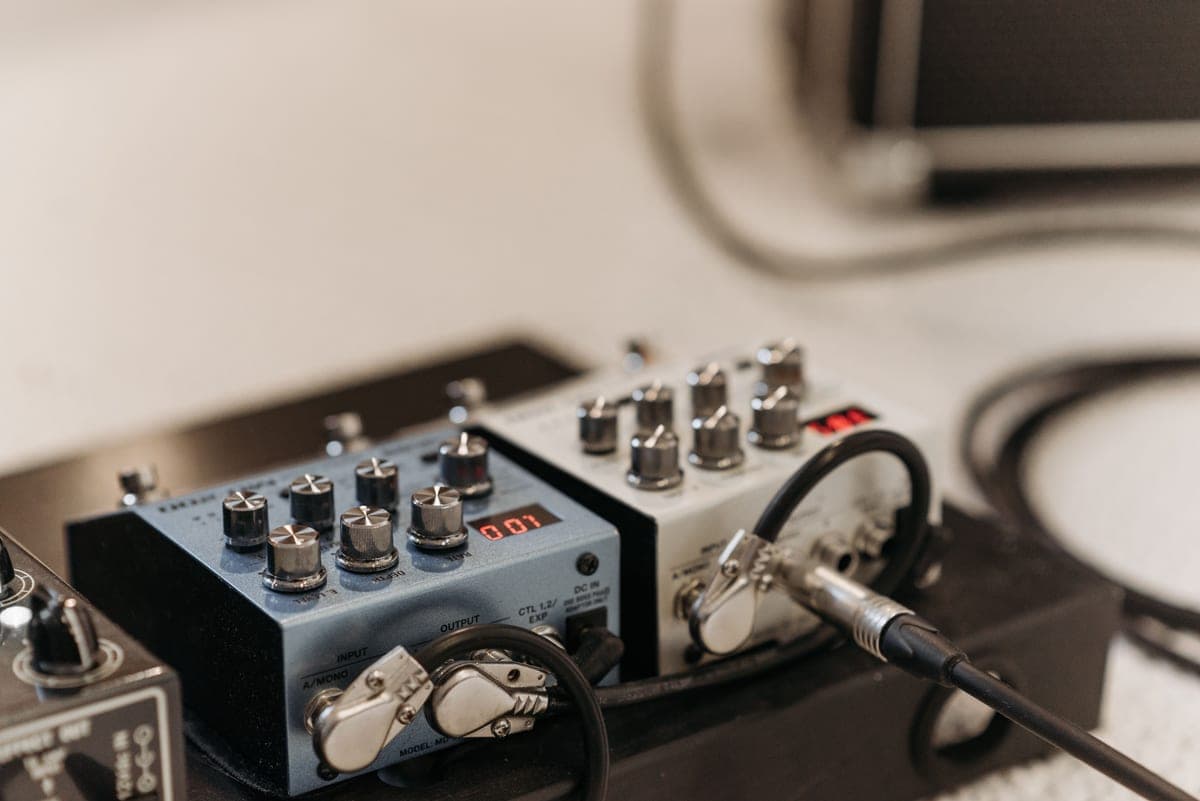
Compressor vs boost
One narrows your dynamic range, the other shifts all of it up. Diagnose the problem first, because the common answer is neither.
Top pick: Keeley Compressor Plus
#ad How we’re funded · price as of October 17, 2026

Your pedalboard hums — which fix actually works
Five faults, one word. The two-minute diagnostic, then the one purchase that fixes the fault you actually have.
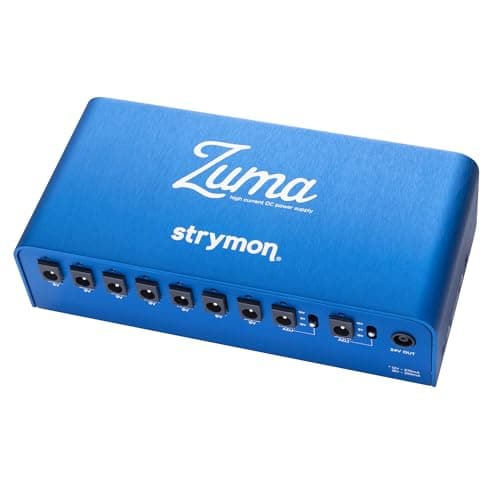
Top pick: Strymon Zuma
#ad How we’re funded · price as of October 17, 2026
Pedal order: what changes and what does not
Two placements are load-bearing and the rest are preference. Which is which, and the impedance figures behind the first one.
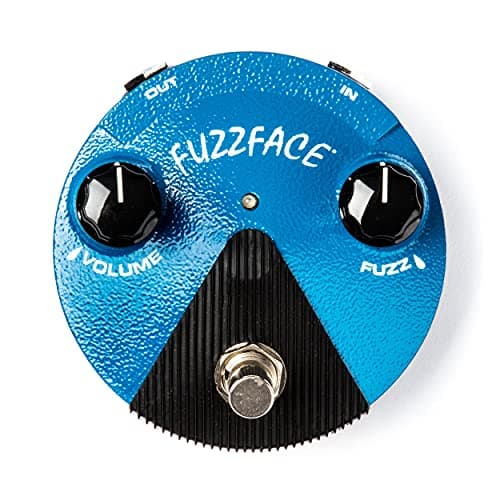
Top pick: Dunlop Fuzz Face Mini Silicon
#ad How we’re funded · price as of October 17, 2026