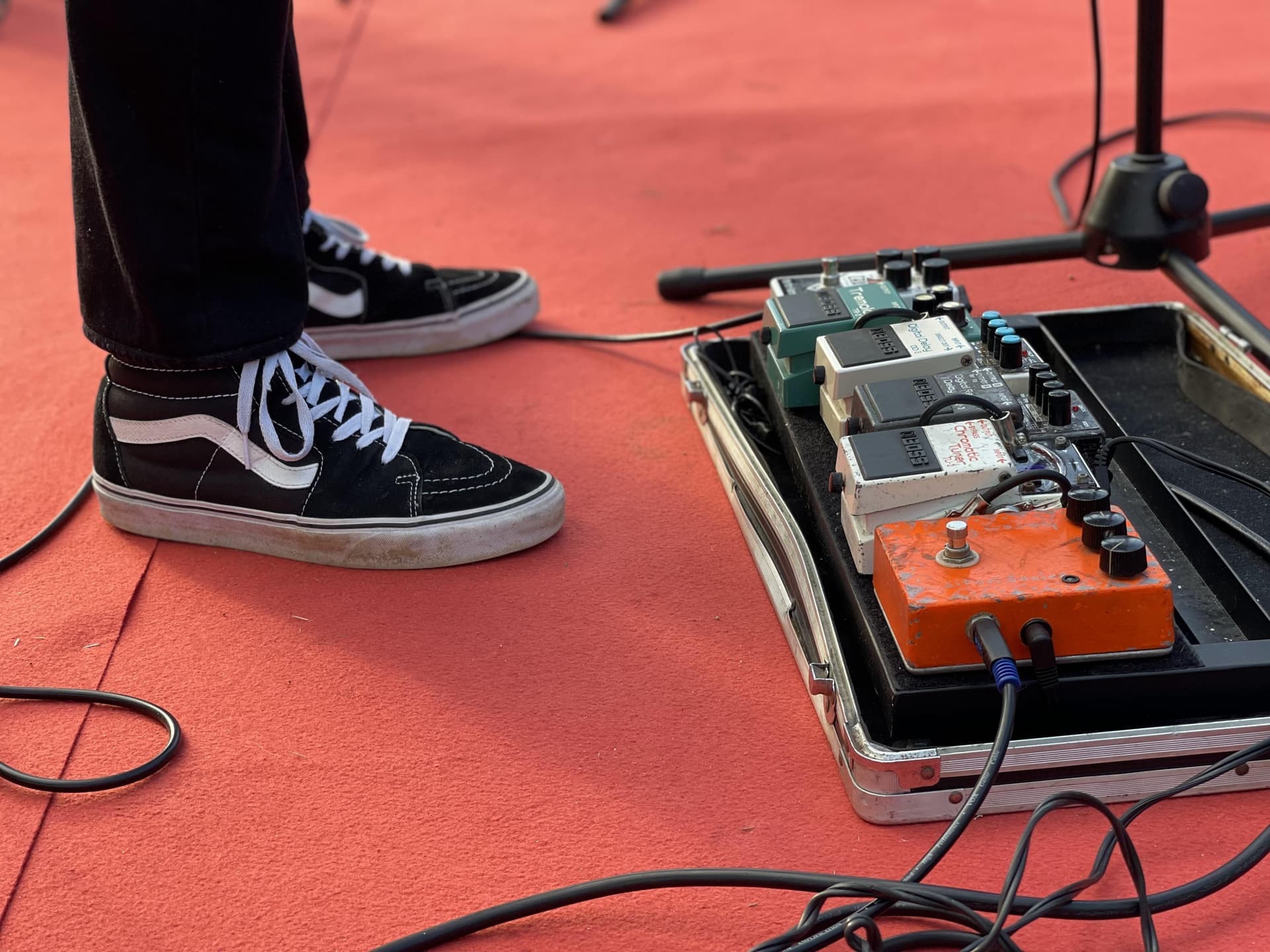
Transparent overdrives compared
Every one of these is sold as transparent, and no two of them mean the same thing by it. Here is what each actually does to the signal.
Fret & Fuzz earns a commission when you buy through the links on this page. It costs you nothing and it does not decide what we rank. How we’re funded.
We have not played this gear. Every pick below is chosen from published manufacturer specifications and the arithmetic set out in how we research, which you can re-run yourself.
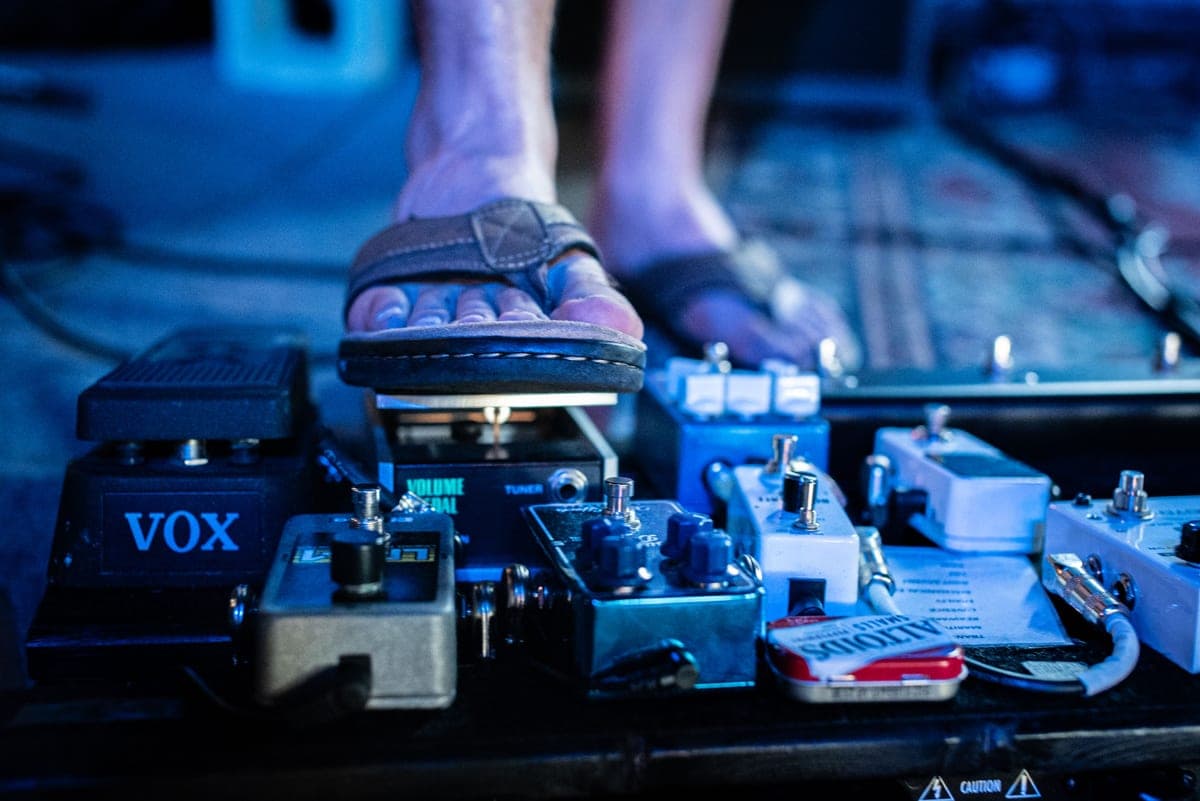
Transparent means the pedal adds gain without imposing much EQ or compression. The pedals that achieve it do so in two different ways: by mixing an unclipped clean path back in (Klon type), or simply by not having a shaping tone stack (Blues Driver type). Both need an amp you already like — a transparent drive into a clean solid-state amp has nothing to be transparent about.
The word is used loosely enough to be almost meaningless in product copy, and the underlying design decision is real and checkable. This page separates the two.
Transparent drives, compared
| # | Product | Best for | Price |
|---|---|---|---|
| 01 | 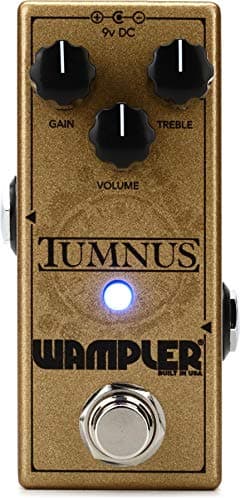 Wampler Tumnus A parallel clean path mixed with the clipped one, so your amp's low end survives. | The most useful reading of transparent | $149.38 · Check price #ad How we’re funded · price as of October 18, 2026 |
| 02 | 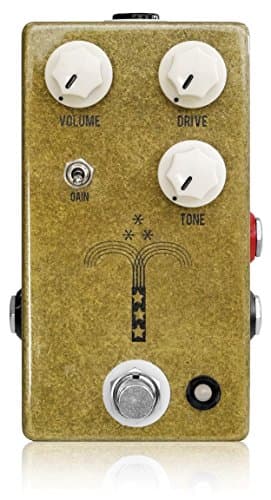 JHS Pedals Morning Glory V4 Genuinely low gain and genuinely uncoloured — which means it needs an amp that is already working. | The lowest-coloration option, with the caveat that implies | $199.00 · Check price #ad How we’re funded · price as of October 18, 2026 |
| 03 | 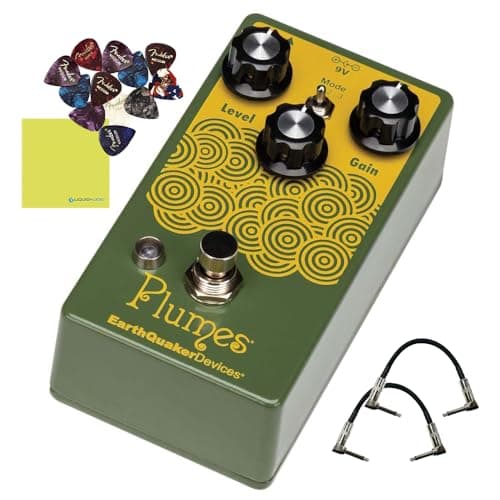 EarthQuaker Devices Plumes Mode 2 removes the clipping diodes entirely, which is as transparent as a drive pedal gets. | Switchable transparency | |
| 04 | 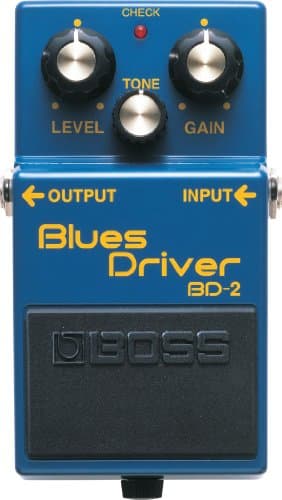 BOSS BD-2 Blues Driver Flat through the mids, open at the top, and it publishes every figure. | Transparent in the sense people usually mean | $109.99 · Check price #ad How we’re funded · price as of October 18, 2026 |
| ! | 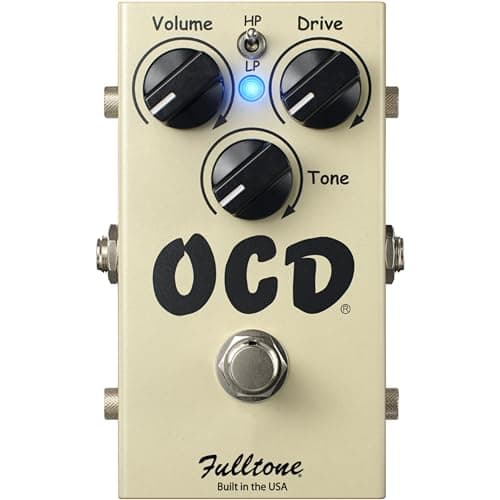 Fulltone OCD Obsessive Compulsive Drive An amp-voiced circuit with real character of its own — a good pedal in the wrong comparison. Skip this one — see why below | Not transparent, and frequently shortlisted as though it were |
Rows link to the full write-up further down this page. Prices come from the live price layer only — where there is no live figure the button reads “Check price” rather than showing a remembered number.
02Two ways to be transparent
By parallel path. A clean copy of your signal runs alongside the clipped one and gets mixed back in. Transients survive because the clean path does not compress them, and low end survives because the clean path does not cut it. This is what a Klon-style circuit does, and it is the mechanism behind the description sounding like more of your amp.
By omission. No parallel path, but also no shaping tone stack and very little compression. A Blues Driver-type circuit does this. It is simpler and it means the pedal contributes less at low gain settings.
| Pedal | Mechanism | Published input impedance | Published draw |
|---|---|---|---|
| Wampler Tumnus | Parallel clean path with a treble lift | Not published | 20 mA |
| JHS Morning Glory V4 | Low gain, minimal tone shaping | Not published | Not published |
| EarthQuaker Plumes (mode 2) | Clipping removed from the circuit entirely | 10 M ohm | 25 mA |
| BOSS BD-2 | Discrete gain stages, flat mid response | 1 M ohm | 20 mA |
Two of the four makers publish no impedance figure at all. That is a finding about the category, not an omission on this page.
Wampler Tumnus
The most useful reading of transparent
The number20 mA at 9 V, buffered bypass, no battery connection.
Klon-style circuits are transparent in a structurally specific way: an unclipped copy of your signal runs alongside the clipped one and the Gain control mixes between them. What you hear is your amp plus something, rather than your amp replaced by something.
The treble lift is real and deliberate, so this is not colourless. It is the version of transparency that actually helps on a clean amp, because there is still something audible happening.
One tone control, no bass cut, and a footprint small enough for a full board.
| Controls | Level, Gain, Treble |
|---|---|
| Current draw | 20 mA at 9 V |
| Power | 9 V DC jack only — no battery connection |
| Bypass | 3PDT buffered bypass |
| Size | 1.5 x 3.5 x 1.5 in (38.1 x 88.9 x 38.1 mm), excluding knobs |
| What it does not do | One tone control, not a full EQ, and no battery option. It cannot make a dark amp bright on its own — it lifts treble and mids around what is already there. |
Specs from Wampler Tumnus product page. We have not used this unit.
#ad How we’re funded · price as of October 18, 2026
JHS Pedals Morning Glory V4
The lowest-coloration option, with the caveat that implies
This is transparency in its purest and least forgiving form: very little EQ imposed, very little compression, low gain. In front of a valve amp already on the edge of breakup it does exactly what it is meant to.
In front of a clean solid-state amp, almost nothing happens, and the usual reaction is to assume the pedal is faulty. It is not — there is simply nothing underneath for it to be transparent about.
JHS publishes no electrical figures for it, so you cannot plan a shared power output around it without measuring.
| Controls | Volume, Drive, Tone, Bright toggle |
|---|---|
| Power | 9 V DC center-negative |
| Electrical data | No current-draw or impedance figure is published for this pedal, so none is stated here. |
| What it does not do | No power supply included. It is a low-gain transparent drive — it will not produce distortion on its own, and on a clean solid-state amp there is very little there. |
Specs from JHS Morning Glory V4 product page. We have not used this unit.
#ad How we’re funded · price as of October 18, 2026
EarthQuaker Devices Plumes
Switchable transparency
The number10 M ohm in, 100 ohm out, 25 mA — the highest input impedance here by a wide margin.
With the toggle in mode 2 there is no clipping stage in circuit at all, so what you have is a clean boost with a tone control. That is transparency by removal rather than by design compromise.
Modes 1 and 3 put clipping back, so one pedal covers the transparent case and two colored ones. For anyone unsure which they want, that is the most efficient answer on this page.
EarthQuaker publishes impedance, draw and bypass mechanism, which is more than any other maker here does.
| Controls | Level, Gain, Tone (bass left, midrange center, treble right), 3-way clipping toggle |
|---|---|
| Clipping modes | Mode 1 symmetrical LED clipping, which EarthQuaker describes as more crunch and compression; mode 2 no clipping, a wide-open op-amp clean boost; mode 3 asymmetrical silicon diode clipping, described as more transparency with a looser feel |
| Circuit | EarthQuaker states it uses JFET op-amps rather than the traditional 4558 IC, with the 9 V supply internally converted to +/- 9 V for more headroom |
| Current draw | 25 mA |
| Input impedance | 10 M ohm |
| Output impedance | 100 ohm |
| Bypass | Flexi-Switch relay-based true bypass, momentary or latching |
| Size | 4.75 x 2.50 x 2.25 in (121 x 64 x 57 mm) with knobs |
| Power | 9 V DC, 2.1 mm center-negative barrel |
| What it does not do | No power supply included and no battery compartment. Mode 2 is a clean boost, not a second drive voicing — if you expected three flavors of dirt, one of them is not dirt. |
Specs from EarthQuaker Devices Plumes product page. We have not used this unit.
BOSS BD-2 Blues Driver
Transparent in the sense people usually mean
The number1 M ohm in, 1 k ohm out, 20 mA. Published by BOSS.
The Blues Driver is rarely marketed as transparent and behaves more like one than several pedals that are. Discrete gain stages rather than diodes in a feedback loop means no pronounced mid hump and no bass cut.
It also cleans up substantially on the guitar volume knob, which is the behavior most people are actually describing when they say a pedal is transparent.
Buffered bypass, five-year warranty, and every specification published. On price and documentation it is the easiest recommendation here.
| Controls | Gain, Tone, Level, pedal switch |
|---|---|
| Input impedance | 1 M ohm |
| Output impedance | 1 k ohm |
| Current draw | 20 mA |
| Power | 9 V battery (6F22 / 6LR61) or PSA-series adaptor |
| Size / weight | 73 x 129 x 59 mm, 360 g |
| What it does not do | No adaptor in the box, no true bypass, and no mid control. The BD-2 is deliberately flat through the mids — if you want a mid hump to push a solo, this is the wrong pedal. |
Specs from BOSS BD-2 specifications. We have not used this unit.
#ad How we’re funded · price as of October 18, 2026
Fulltone OCD Obsessive Compulsive Drive
Not transparent, and frequently shortlisted as though it were
We are not picking this one on a transparency page. The OCD is a capable drive and it is not low-coloration: the HP/LP switch changes gain structure and low-mid emphasis together, and past halfway on the Drive it behaves like a distortion.
It gets shortlisted here because it is often described as amp-like, which is a different property from transparent. Amp-like means it responds the way a driven amp does; transparent means it adds little of its own EQ.
If you want the OCD's character, buy it — OCD vs RAT is the right comparison for it. If you want a pedal that gets out of the way, it is the wrong shortlist.
| Controls | Volume, Drive, Tone, HP/LP toggle |
|---|---|
| HP/LP switch | Two voicings: LP with less low-mid emphasis, HP with more gain and upper-mid push |
| Input impedance | 1 M ohm on the v2, which Fulltone states was raised from 330 k on the previous version |
| Input section | Fulltone states a Class A configured discrete 2N5457 JFET input section |
| Bypass | An internal switch selects Fulltone's Enhanced Bypass or true bypass, which Fulltone states pops in neither mode; the v2 also adds an output buffer |
| Versions | Fulltone states that OCDs from serial 205811 upward are the newer, less compressed versions |
| Power | 9 V DC center-negative; Fulltone documents internal operation at a higher rail |
| Current draw | Not published by Fulltone |
| What it does not do | No power supply included, and Fulltone publishes no current-draw figure, so a shared supply output cannot be budgeted for it without measuring. It is not a subtle pedal at high Drive — past about two o'clock it behaves more like a distortion than an overdrive, and it will not clean up the way a Tube Screamer does. |
Specs from Fulltone OCDv2 product page. We have not used this unit.
03When a transparent drive is the wrong purchase
- Your amp stays clean at your playing volume. There is nothing for the pedal to be transparent about, and you will hear almost nothing. Buy something with a voice instead — see best overdrive pedals.
- You want a lead boost. Cutting through a mix is an EQ problem, and a transparent pedal makes no EQ change by definition. A mid-humped drive does it better.
- You want high gain. None of these produce much. That is a distortion pedal.
- You want to tighten a loose distorted amp. That needs a bass cut before the gain stage — which is exactly what a transparent pedal declines to do. A Tube Screamer is the tool.
04Stacking transparent drives
This is where they earn their place. A transparent drive in front of a colored one adds gain and level without compounding the second pedal's EQ curve, which is why a Klon-style pedal into a Tube Screamer works and two Tube Screamers do not.
The order matters: transparent first, colored second. Reversed, the transparent pedal is being asked to add gain to an already-narrowed signal and mostly just makes it louder. For the clearest illustration of that whole distinction in two pedals, OCD vs Blues Driver sets a circuit that imposes a character against one that does not. Transparency is also worth more on a bright single-coil guitar than a dark humbucker one — best overdrive for a Strat covers why.
Frequently asked questions
+ What does transparent mean on an overdrive pedal?
+ Why does my transparent overdrive sound like nothing?
+ Is the Klon a transparent overdrive?
+ Can I stack two transparent drives?
Sources
Related on Fret & Fuzz

Fulltone OCD review
Not a transparent drive, whatever the label says. A 1 M ohm input on the v2, and a serial number that tells you which voicing you are buying.
Top pick: Fulltone OCD Obsessive Compulsive Drive

EarthQuaker Devices Plumes review
Three clipping modes the maker actually documents, a 10 M ohm input, and a relay bypass that fails silent without power.
Top pick: EarthQuaker Devices Plumes
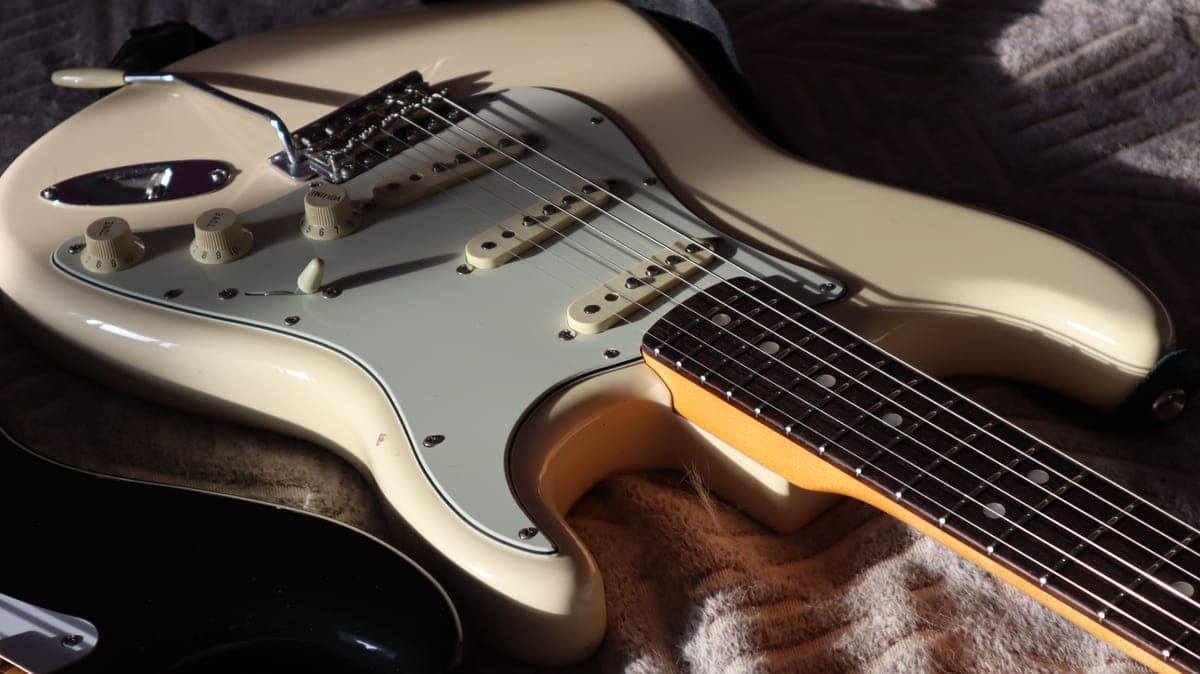
Best overdrive pedals for a Stratocaster
Single coils are brighter, lower output and short of mids. That rules some famous overdrives in and others straight out.
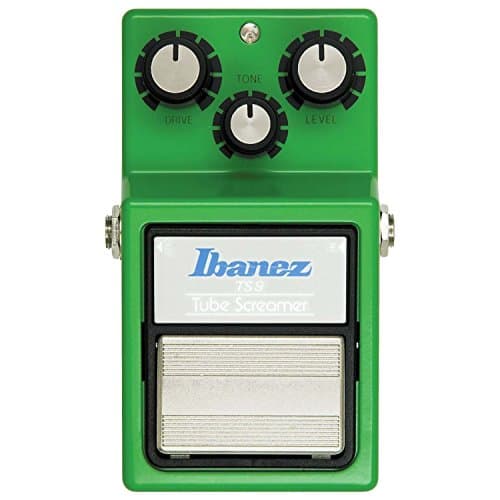
Best Overdrive for Single Coils pick: Ibanez TS9 Tube Screamer
#ad How we’re funded · price as of October 18, 2026

Fulltone OCD vs BOSS Blues Driver
A modifier against a source. One roughens an amp you like; the other supplies the whole tone on a clean one.
Top pick: BOSS BD-2 Blues Driver
#ad How we’re funded · price as of October 18, 2026
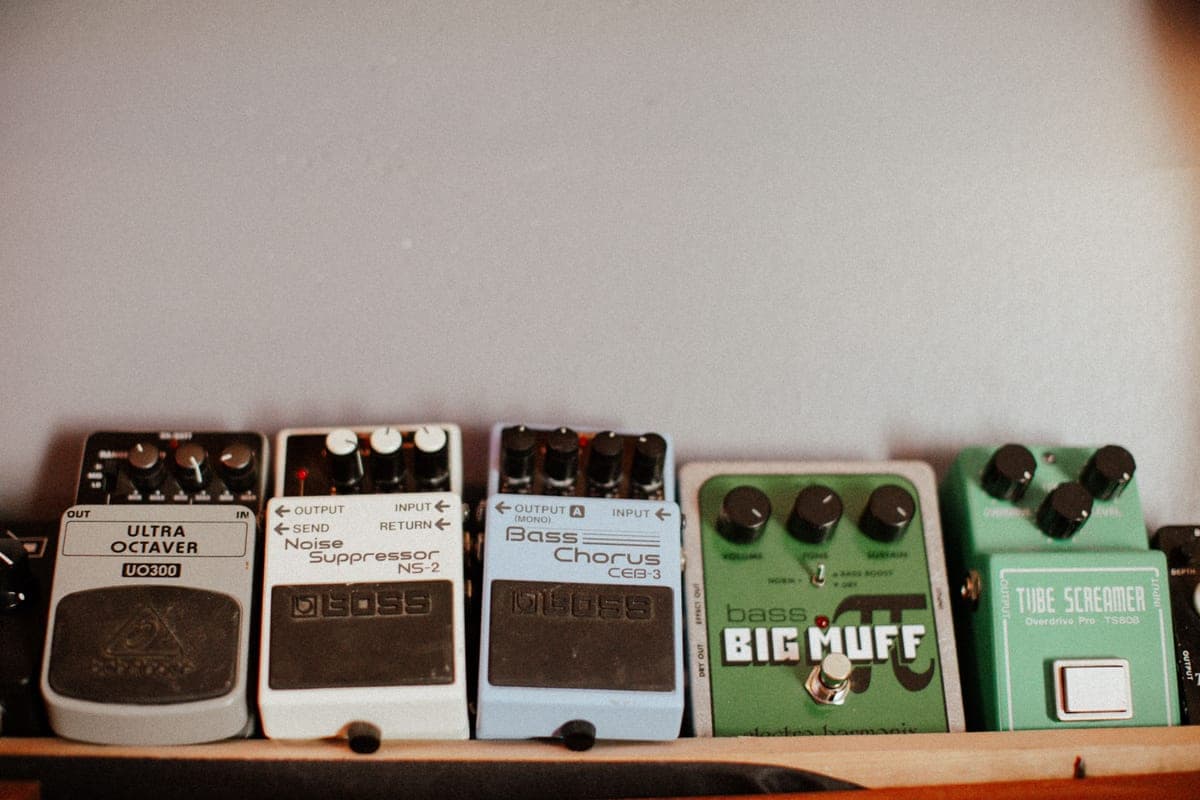
Best overdrive pedals
Six overdrives sorted by circuit family, with the published clipping topology and impedance figures that separate them.
Best Overdrive pick: EarthQuaker Devices Plumes
Tube Screamer vs Klon
One clips your whole signal; the other mixes a clean path back in. Everything people argue about follows from that.
Top pick: Ibanez TS9 Tube Screamer
#ad How we’re funded · price as of October 18, 2026
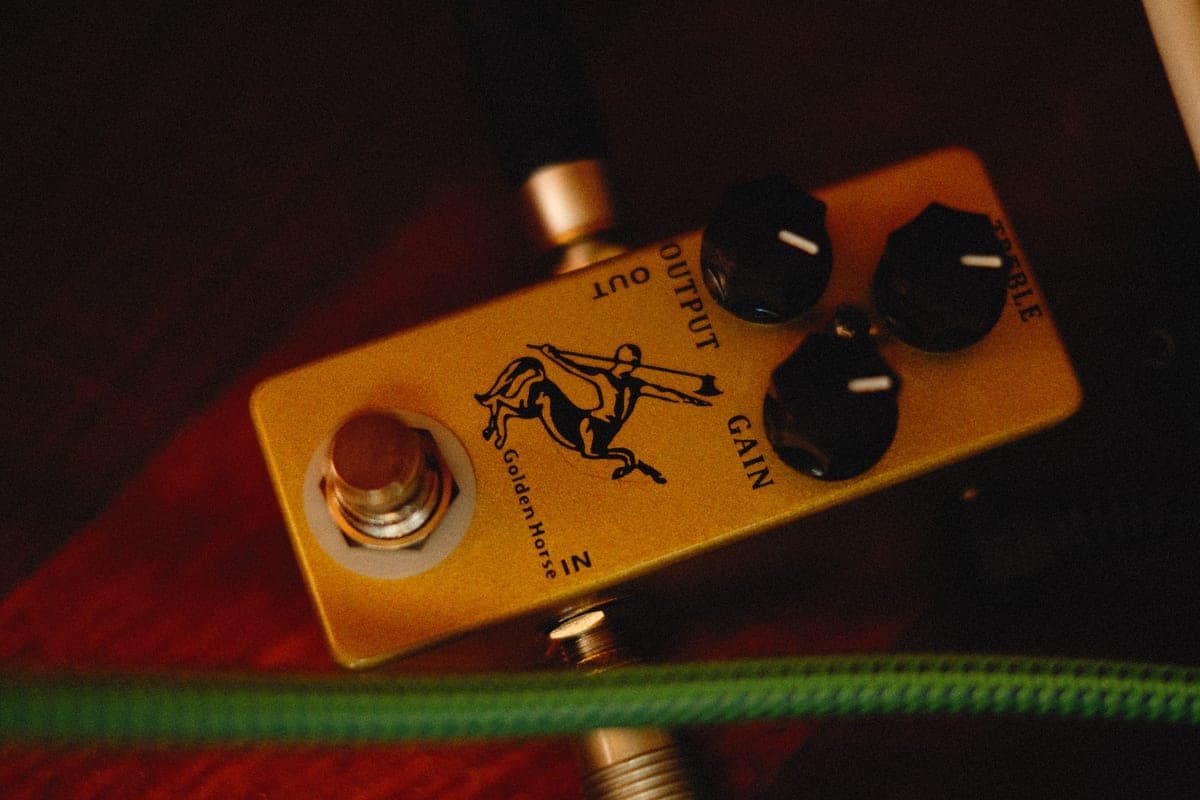
Klon clones: the circuit, and what to buy instead
The parallel clean path is the whole trick. Here is what it does, why the originals cost what they do, and which versions to buy.
Best Klon-Style Drive pick: Wampler Tumnus
#ad How we’re funded · price as of October 18, 2026
Overdrive vs boost
A boost has three different results depending on what follows it. Work out which case you are in before you buy one.
Top pick: EarthQuaker Devices Plumes