Your solo disappears in a band — which pedal fixes it
The most common complaint in electric guitar, and the pedal almost everyone buys for it is the wrong one.
Fret & Fuzz earns a commission when you buy through the links on this page. It costs you nothing and it does not decide what we rank. How we’re funded.
We have not played this gear. Every pick below is chosen from published manufacturer specifications and the arithmetic set out in how we research, which you can re-run yourself.

Being heard in a band is a midrange problem, not a volume problem. Other instruments are occupying your frequencies, and turning up raises your whole signal including the parts that are being masked. The fix is an EQ that lifts 800 Hz to 1.6 kHz, or a compressor if only some notes vanish, or a clean boost if the mix is fine and you are simply quieter. More gain makes it worse.
This page is organized the way the problem actually presents: symptom first, cause second, product last. If you skip to the products you will probably buy the wrong one, because three different faults produce the same complaint.
01Step 1 — work out which of the three you have
| What you hear | What it actually is | The fix |
|---|---|---|
| The whole solo is buried, evenly | Frequency masking — the band occupies your midrange | EQ: lift 800 Hz and 1.6 kHz |
| Some notes cut, others vanish | Dynamic range — quiet notes fall below the band | Compressor with a blend control |
| You can hear it, it is just small | Level — the rhythm sound is simply louder | Clean boost |
| It sounds fine alone and thin with the band | Masking again, usually a scooped amp setting | EQ, and turn the amp's mids up |
| It gets buried when you add gain | Compression from the gain stage | Less gain, not more |
| It cuts, but harshly | Too much 3.2 kHz | EQ: cut there rather than boosting |
Do this diagnosis with the band, not alone. A guitar tone that sounds perfect in a bedroom is frequently a scooped one, and scooped is exactly the shape that disappears the moment a bass guitar and a snare drum arrive.
02Step 2 — the frequency argument, briefly
A vocal sits roughly between 300 Hz and 3 kHz. A snare has a strong presence around 200 Hz and again in the high mids. A bass guitar owns everything below about 200 Hz. Guitar overlaps all three, and the part of your signal that survives is whatever is not already occupied.
That is why the fix is narrow rather than general. Boosting everything raises the masked frequencies along with the audible ones and the ratio does not change. Boosting 800 Hz and 1.6 kHz specifically moves you into a band where there is more room, which is heard as the lead stepping forward rather than getting louder.
What actually fixes it
| # | Product | Best for | Price |
|---|---|---|---|
| 01 | 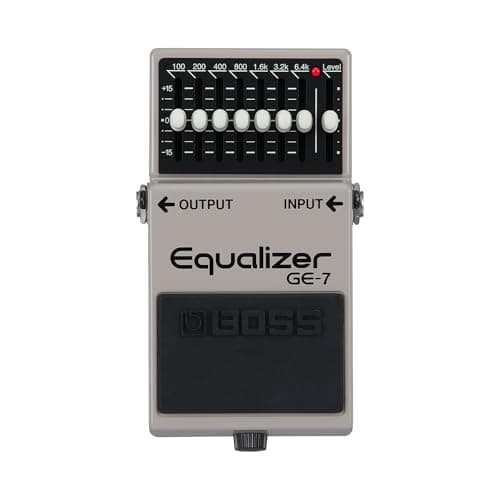 BOSS GE-7 Equalizer Seven bands at +/- 15 dB, so you can raise exactly the frequencies a band is masking. | The actual fix, and the least-bought pedal for it | $129.50 · Check price #ad How we’re funded · price as of September 13, 2026 |
| 02 | 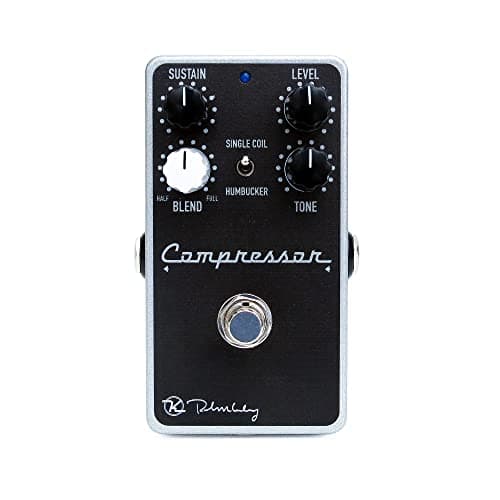 Keeley Compressor Plus Raises the quiet notes toward the loud ones, so the whole phrase stays above the band. | When the problem is that only some notes disappear | $149.00 · Check price #ad How we’re funded · price as of September 13, 2026 |
| 03 | 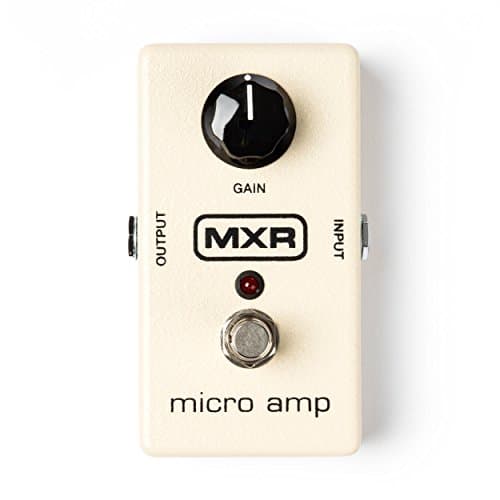 MXR Micro Amp One knob of clean gain and nothing else — no tone shaping to get wrong. | The simplest version, when your amp is already right | $105.99 · Check price #ad How we’re funded · price as of September 13, 2026 |
| 04 | 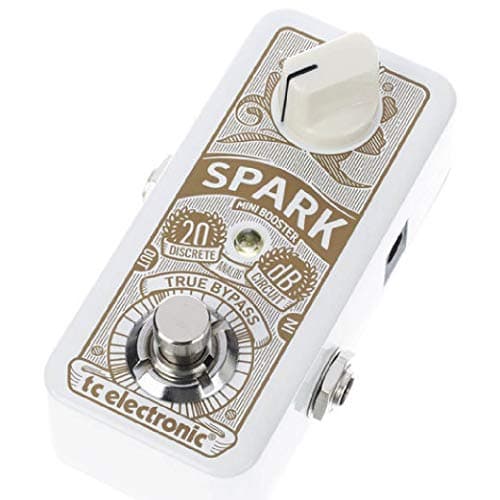 TC Electronic Spark Mini Booster A momentary footswitch — hold it for the solo, release it and you are back. | A boost you only want for four bars | $42.90 · Check price #ad How we’re funded · price as of September 13, 2026 |
| ! | 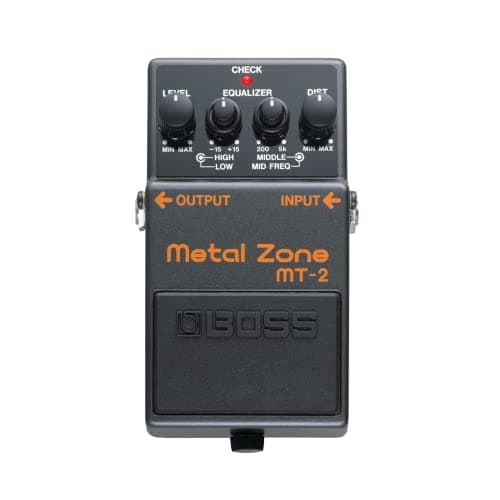 BOSS MT-2 Metal Zone More gain compresses the lead further into the mix rather than lifting it out. Skip this one — see why below | The pedal almost everyone buys for this, and it makes it worse | $107.20 · Check price #ad How we’re funded · price as of September 13, 2026 |
Rows link to the full write-up further down this page. Prices come from the live price layer only — where there is no live figure the button reads “Check price” rather than showing a remembered number.
04Step 3 — where the fix goes in the chain
An EQ after your drive pedals changes what you hear. An EQ before them changes what the drive clips, which is a different and usually less predictable result. For this problem you want it after — you are shaping the finished sound to fit a gap in the mix.
A boost is the opposite: it goes in front of the drive or the amp, because its job is to push the next stage harder. A compressor conventionally goes first, before the drives, so it evens out what they then clip. Pedal order covers the reasoning and the exceptions.
05The free fixes, before you spend anything
- Turn your amp's mid control up. It is the same fix as the EQ pedal, it costs nothing, and on many amps it is enough on its own.
- Turn the bass down. Low end you cannot hear in a band is still using your amp's headroom and still masking your own mids.
- Play higher up the neck. A lead line an octave up is in a far less crowded frequency band. This is a musical fix and often the best one.
- Ask the bass player to make room. Two instruments fighting over 200 Hz is a mix problem, not a pedal problem.
- Turn the gain down. Counter-intuitive, free, and frequently the whole answer.
06Why volume is the wrong control
Turning up does work, briefly. Then the rest of the band turns up to hear themselves over you, and you are back where you started at a higher absolute level — with less headroom, a hotter amp and an unhappier engineer.
The arithmetic is also worse than it feels. Doubling your amp's power buys about 3 dB, which is close to the smallest change most people reliably notice, so being meaningfully louder means a very large power increase. Amp wattage and volume works that through. Shifting frequency costs nothing and works immediately, which is why every engineer reaches for EQ before a fader.
Frequently asked questions
+ Why can't I hear my guitar in a band?
+ Will a boost pedal make my solo cut through?
+ Does more distortion help a lead cut through?
+ What EQ settings make a guitar cut through?
Sources
Related on Fret & Fuzz
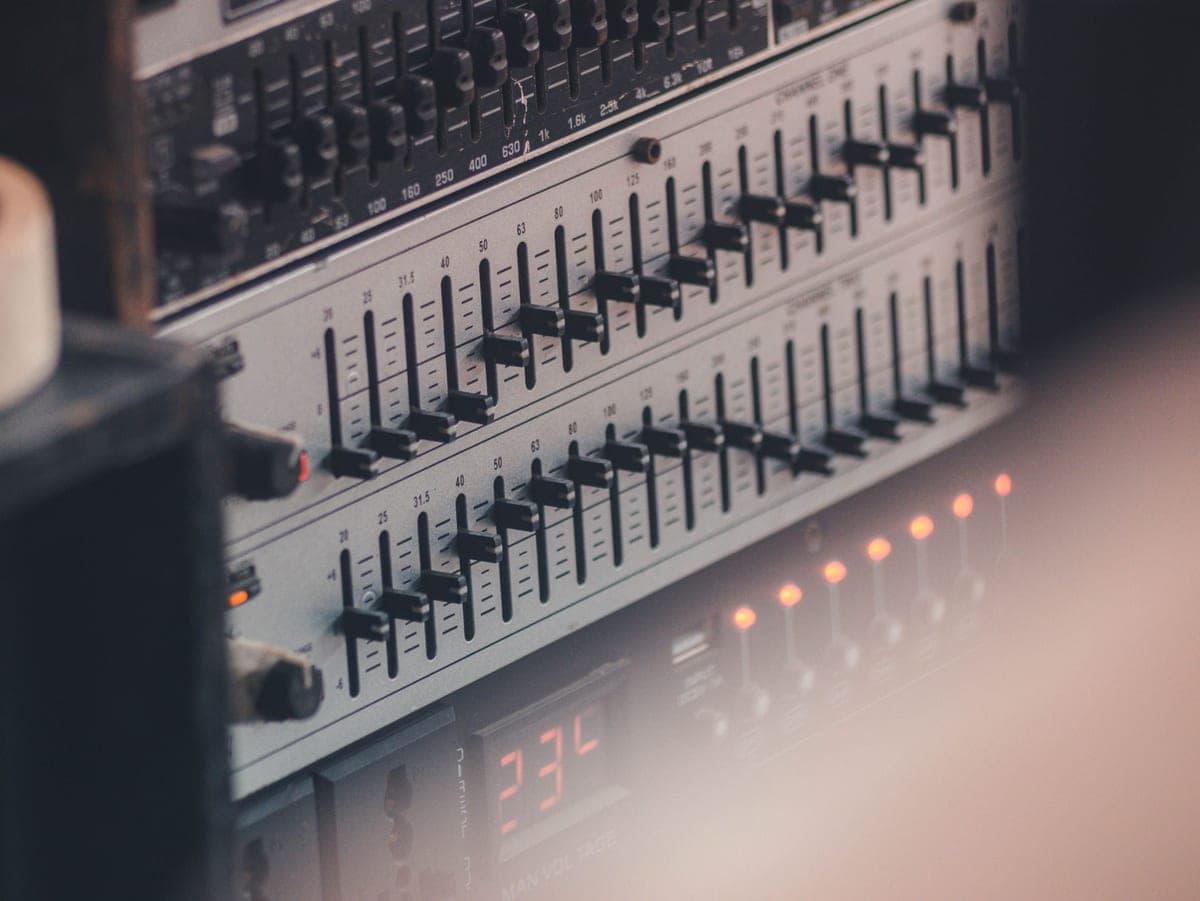
Best EQ pedals
Bands, decibel range and supply voltage. Three EQs compared, plus the 18 V requirement that strands power plans.
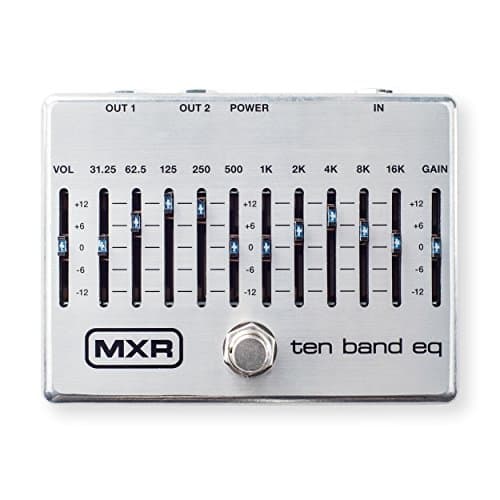
Best EQ Pedal pick: MXR 10 Band EQ
#ad How we’re funded · price as of September 13, 2026
Compressor vs boost
One narrows your dynamic range, the other shifts all of it up. Diagnose the problem first, because the common answer is neither.
Top pick: Keeley Compressor Plus
#ad How we’re funded · price as of September 13, 2026
Best compressor pedals
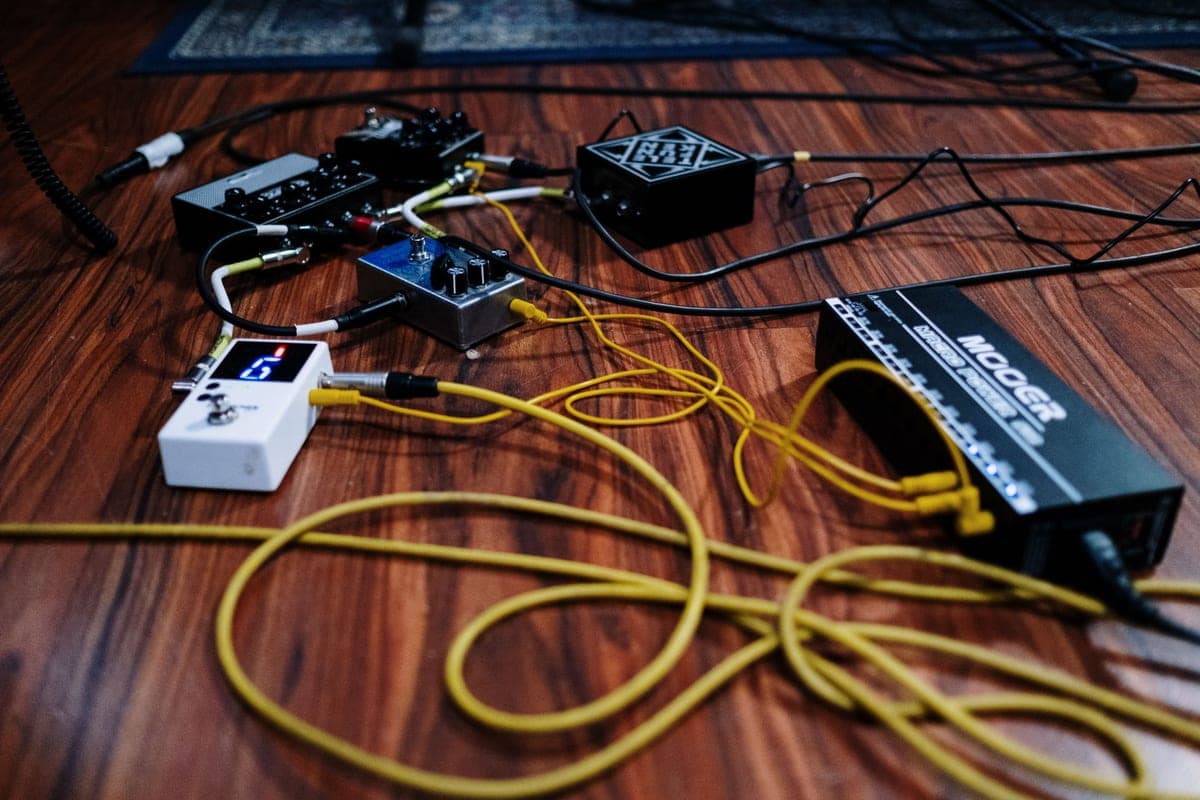
Blend is the control that decides whether a compressor squashes or supports. Three compressors compared on what they do and do not have.
Best Compressor pick: Keeley Compressor Plus
#ad How we’re funded · price as of September 13, 2026
Overdrive vs boost
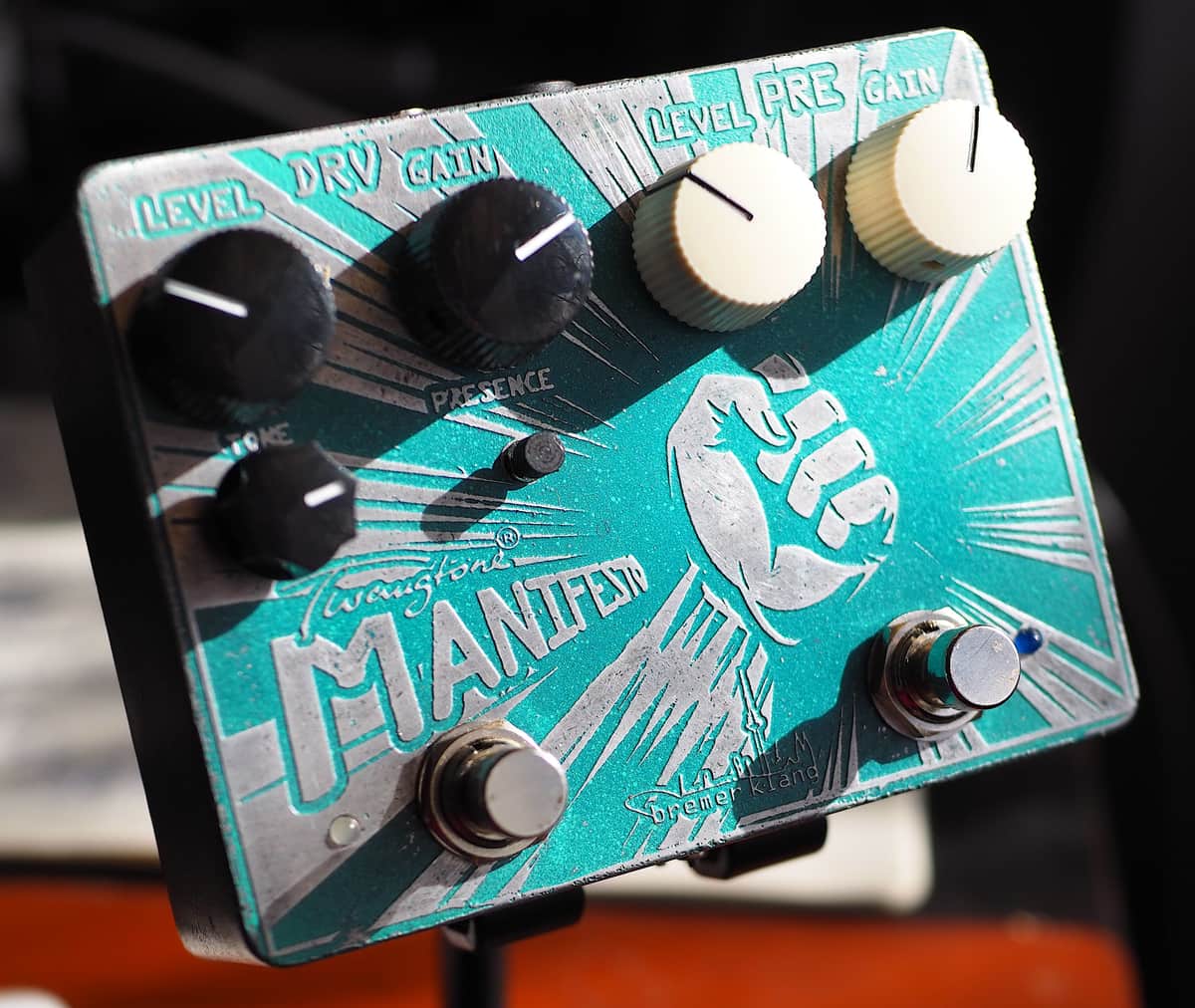
A boost has three different results depending on what follows it. Work out which case you are in before you buy one.
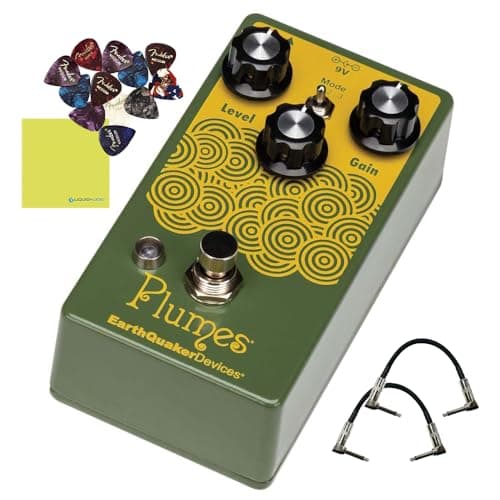
Top pick: EarthQuaker Devices Plumes
#ad How we’re funded · price as of September 13, 2026

Amp wattage and volume
Halving the watts costs 3 dB. A perceived halving needs a tenth of the power. The table that settles it.
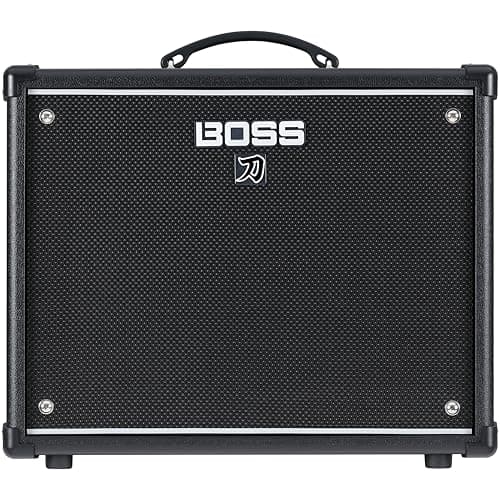
Top pick: BOSS KATANA-50 GEN 3
#ad How we’re funded · price as of September 13, 2026